191 eccentric housemates, ready for viewing.
Mokkie · CC BY-SA 3.0
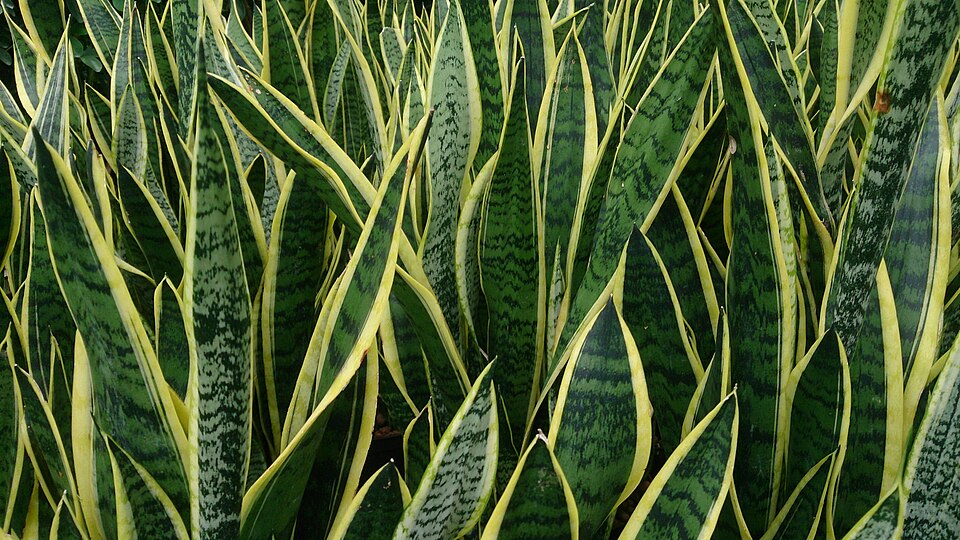
Snake Plant Dracaena trifasciata (syn. Sansevieria trifasciata)
“The Stoic Bouncer”
Thrives on sheer neglect.
🐱 Toxic 🐶 Toxic
Light low light, indirect light, bright indirect light Water Drought-tolerant (every 2–4 weeks) Where Indoor, or outdoor Winter Frost-sensitive — bring indoors when nights drop below −5 °C Difficulty Easy · ~2 min/week · 💰 The science behind this match Has survived wars, landlords and your last three relationships. Wants nothing. Asks nothing. Judges silently.
Photo: Mokkie, CC BY-SA 3.0 , via Wikimedia Commons
Pet safety sources
Cats: toxic — ASPCA
Dogs: toxic — ASPCA
Find my match Dtarazona, edited by Peter coxhead · Public domain
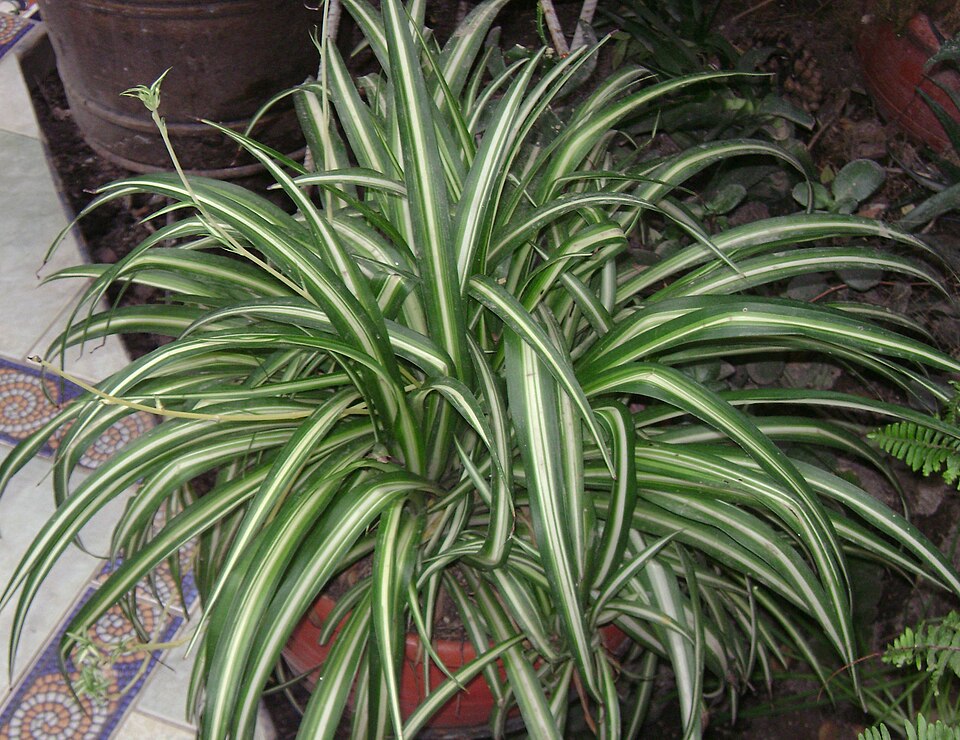
Spider Plant Chlorophytum comosum
“The Overachieving Parent”
Makes babies whether you like it or not.
🐱 Non-toxic 🐶 Non-toxic
Light indirect light, bright indirect light Water When the top inch dries (~weekly) Where Indoor, or outdoor Winter Frost-sensitive — bring indoors when nights drop below −5 °C Difficulty Easy · ~5 min/week · 💰 The science behind this match Cat-safe, chaos-tolerant, and will gift you 40 tiny clones you never asked for. A true housemate.
Photo: Dtarazona, edited by Peter coxhead, Public domain , via Wikimedia Commons
Pet safety sources
Cats: non-toxic — ASPCA
Dogs: non-toxic — ASPCA
Find my match Laslovarga · CC BY-SA 4.0
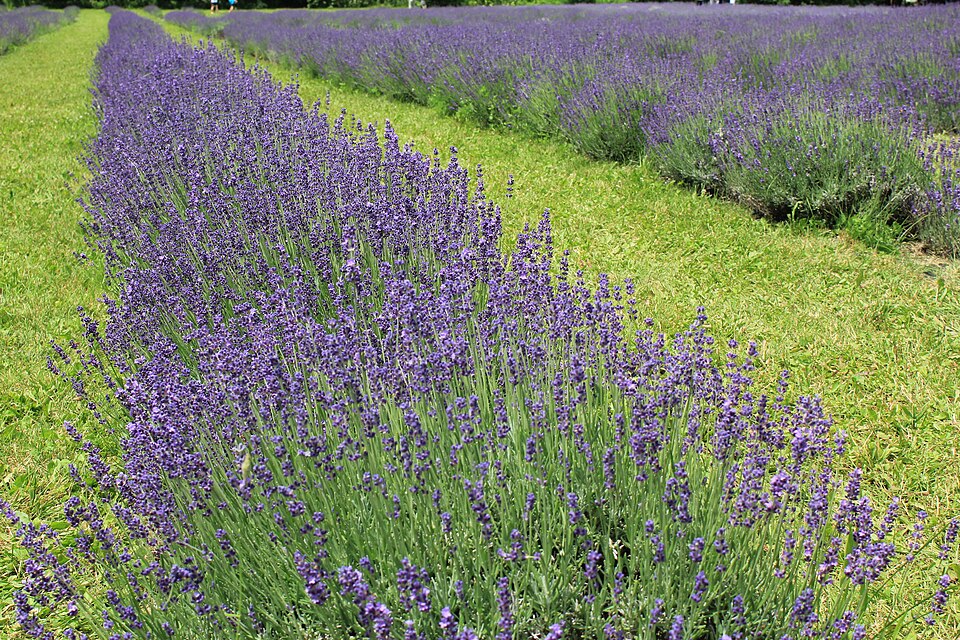
English Lavender Lavandula angustifolia
“The Spa Day Diva”
Smells expensive. Hates soggy feet.
🐱 Toxic 🐶 Toxic
Light full sun Water Drought-tolerant (every 2–4 weeks) Where Outdoor Winter Winter-hardy — stays outside year-round (to −29 °C) Difficulty Moderate · ~10 min/week · 💰💰 The science behind this match Wants sun, sass and absolutely zero overwatering. Helicopter parents, step away from the hose.
Photo: Laslovarga, CC BY-SA 4.0 , via Wikimedia Commons
Pet safety sources
Cats: toxic — ASPCA
Dogs: toxic — ASPCA
Find my match Muhammad Mahdi Karim · GFDL 1.2
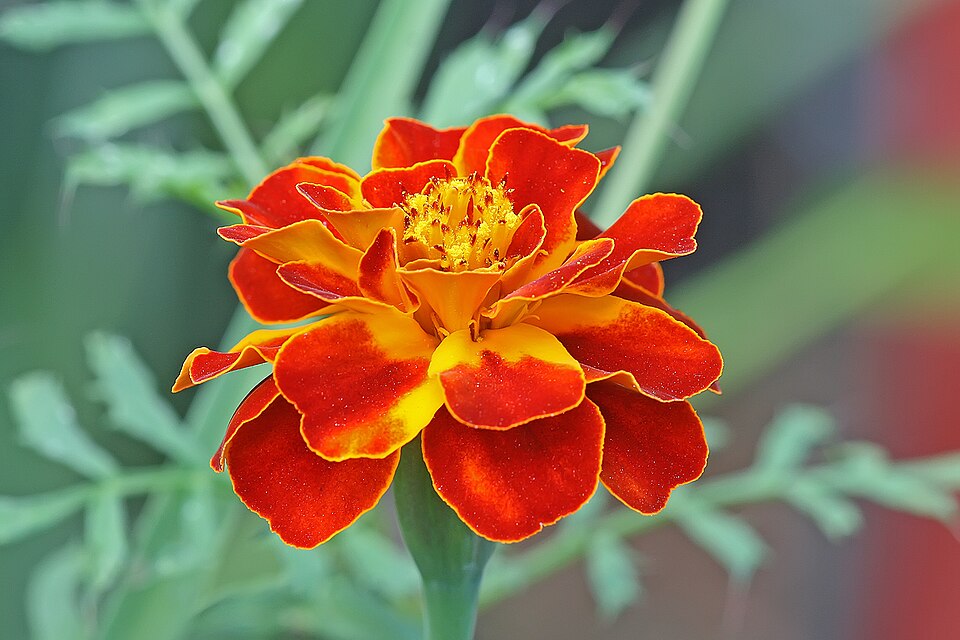
French Marigold Tagetes patula
“The Sunshine Bodyguard”
Scares off bugs with pure attitude.
🐱 ⚠️ Unverified 🐶 Toxic
Light part sun, full sun Water When the top inch dries (~weekly) Where Outdoor (summer annual) Difficulty Easy · ~10 min/week · 💰 The science behind this match Cheap, cheerful and terrifying to aphids. Blooms like it's being paid by the petal.
Photo: Muhammad Mahdi Karim, GFDL 1.2 , via Wikimedia Commons
Pet safety sources
Cats: not verified. Not listed by the ASPCA (its “marigold” entry is Calendula, a different plant).
Dogs: toxic — Pet Poison Helpline . Mild stomach and skin irritation.
Find my match Homer Edward Price · CC BY 2.0
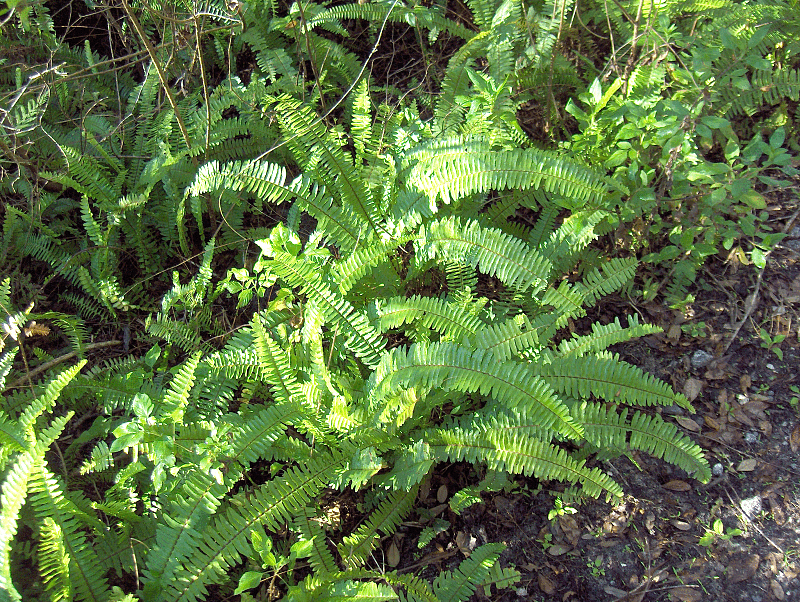
Boston Fern Nephrolepis exaltata 'Bostoniensis'
“Drama Queen Fern”
Will faint if you forget her once.
🐱 Non-toxic 🐶 Non-toxic
Light indirect light, bright indirect light Water Keep evenly moist (frequent) Where Indoor, or outdoor Winter Frost-sensitive — bring indoors when nights drop below −5 °C Difficulty Demanding · ~25 min/week · 💰💰 The science behind this match Requires humidity, attention and emotional validation. Perfect for the overly attentive.
Photo: Homer Edward Price, CC BY 2.0 , via Wikimedia Commons
Pet safety sources
Cats: non-toxic — ASPCA
Dogs: non-toxic — ASPCA
Find my match Serah04 · CC BY-SA 4.0
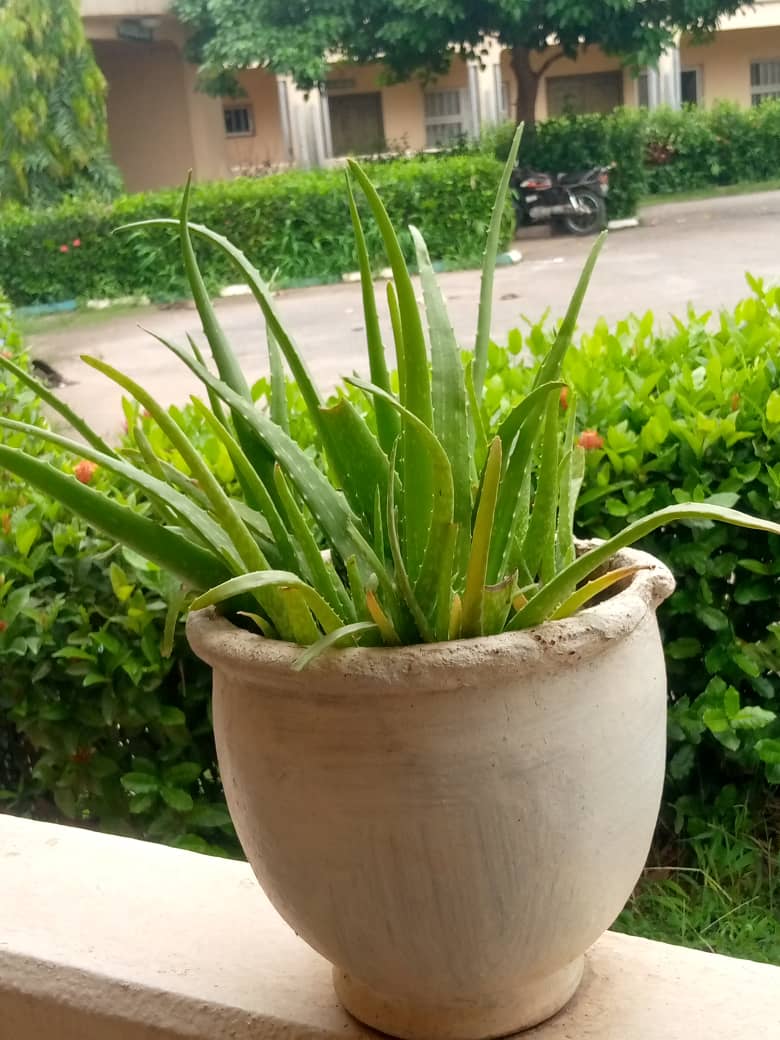
Aloe Vera Aloe vera
“The Spiky First-Aid Kit”
Drinks once a month, heals your sunburn.
🐱 Toxic 🐶 Toxic
Light bright indirect light, direct sun Water Drought-tolerant (every 2–4 weeks) Where Indoor, or outdoor Winter Frost-sensitive — bring indoors when nights drop below −5 °C Difficulty Easy · ~2 min/week · 💰 The science behind this match A desert minimalist. Water it more than monthly and it will file a formal complaint (by rotting).
Photo: Serah04, CC BY-SA 4.0 , via Wikimedia Commons
Pet safety sources
Cats: toxic — ASPCA
Dogs: toxic — ASPCA
Find my match Wikimedia Commons contributor · CC BY-SA 3.0
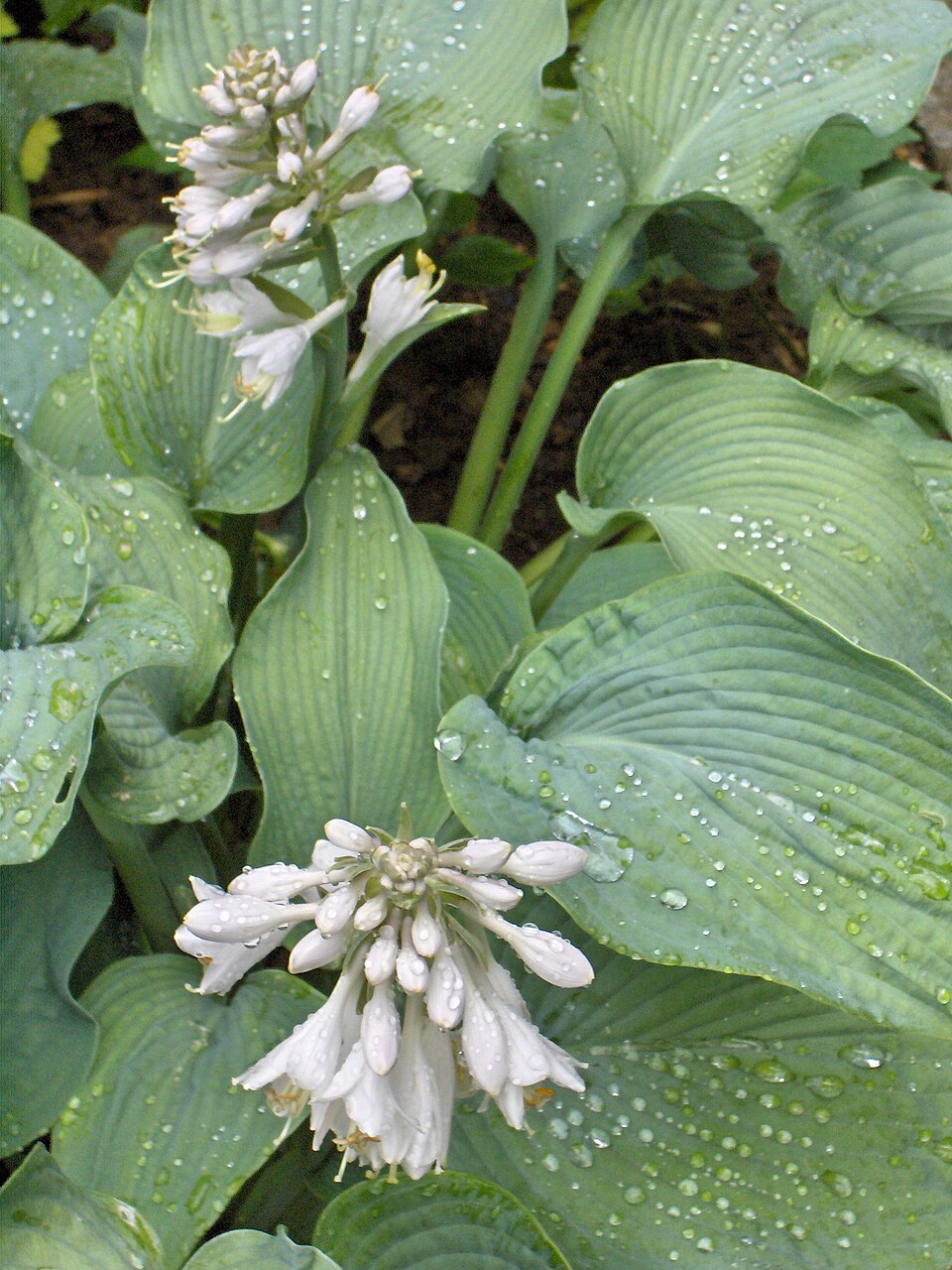
Hosta Hosta spp.
“The Goth Leaf Lord”
Lives for gloom. Big leaf energy.
🐱 Toxic 🐶 Toxic
Light full shade, part shade Water When the top inch dries (~weekly) Where Outdoor Winter Winter-hardy — stays outside year-round (to −40 °C) Difficulty Easy · ~8 min/week · 💰💰 The science behind this match Adores your moody shady corner. Sadly also adored by slugs, its only nemesis.
Photo: Wikimedia Commons contributor, CC BY-SA 3.0 , via Wikimedia Commons
Pet safety sources
Cats: toxic — ASPCA
Dogs: toxic — ASPCA
Find my match Fir0002 · GFDL 1.2
Common Sunflower Helianthus annuus
“The Golden Retriever”
Follows the sun like it owes it money.
🐱 ⚠️ Unverified 🐶 ⚠️ Unverified
Light full sun Water When the top inch dries (~weekly) Where Outdoor (summer annual) Difficulty Easy · ~10 min/week · 💰 The science behind this match Grows absurdly tall, absurdly fast. Pure optimism in stalk form.
Photo: Fir0002, GFDL 1.2 , via Wikimedia Commons
Pet safety sources
Cats: not verified. The ASPCA lists a different species (H. angustifolius) as non-toxic, not the common sunflower.
Dogs: not verified. The ASPCA lists a different species (H. angustifolius) as non-toxic, not the common sunflower.
Find my match Margalob · CC BY-SA 4.0
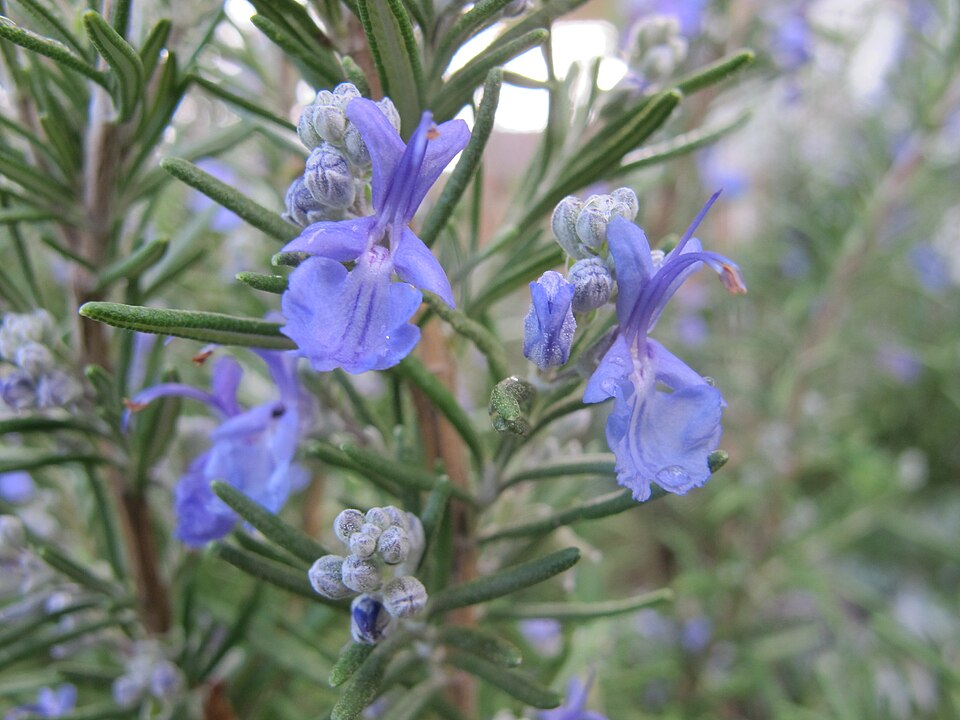
Rosemary Salvia rosmarinus (syn. Rosmarinus officinalis)
“The Mediterranean Chef”
Seasons your dinner and your soul.
🐱 Non-toxic 🐶 Non-toxic 🌿 Herb
Light full sun Water Drought-tolerant (every 2–4 weeks) Where Outdoor Winter Winter-hardy — stays outside year-round (to −18 °C) Difficulty Easy · ~5 min/week · 💰 The science behind this match Laughs at wind, shrugs at drought. Snip it for potatoes and it grows back smugger.
Photo: Margalob, CC BY-SA 4.0 , via Wikimedia Commons
Pet safety sources
Cats: non-toxic — ASPCA
Dogs: non-toxic — ASPCA
Find my match David J. Stang · CC BY-SA 4.0
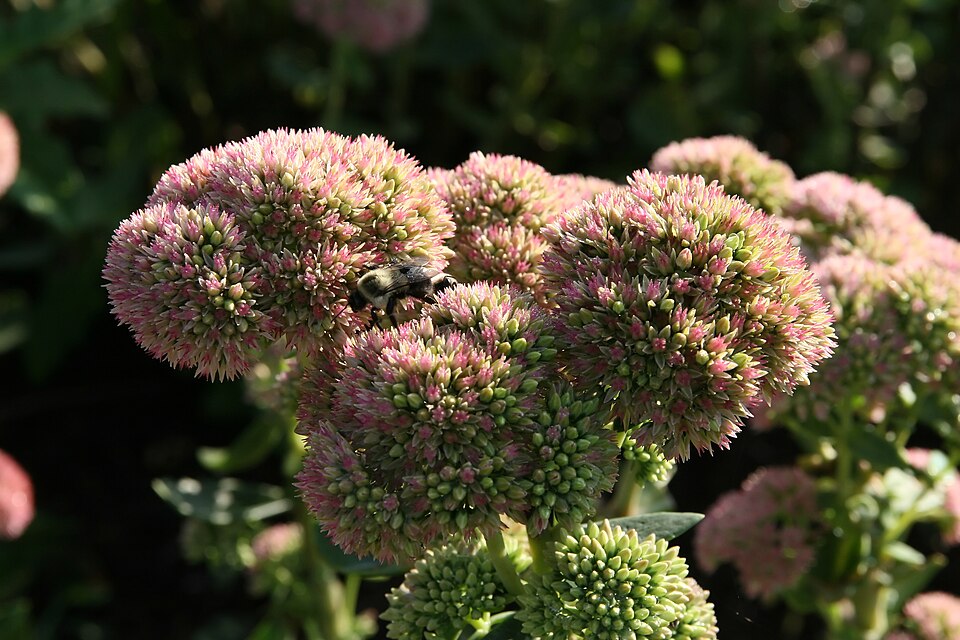
Stonecrop Sedum spp. (garden stonecrops)
“The Unkillable Carpet”
Basically a plant-shaped rock.
🐱 ⚠️ Unverified 🐶 ⚠️ Unverified
Light part sun, full sun Water Drought-tolerant (every 2–4 weeks) Where Outdoor Winter Winter-hardy — stays outside year-round (to −40 °C) Difficulty Easy · ~1 min/week · 💰 The science behind this match Grows in gravel, cracks and spite. The official mascot of serial plant murderers in recovery.
Photo: David J. Stang, CC BY-SA 4.0 , via Wikimedia Commons
Pet safety sources
Cats: not verified. The ASPCA only lists one Sedum (Burro's Tail); garden stonecrops aren't verified.
Dogs: not verified. The ASPCA only lists one Sedum (Burro's Tail); garden stonecrops aren't verified.
Find my match Mokkie · CC BY-SA 3.0
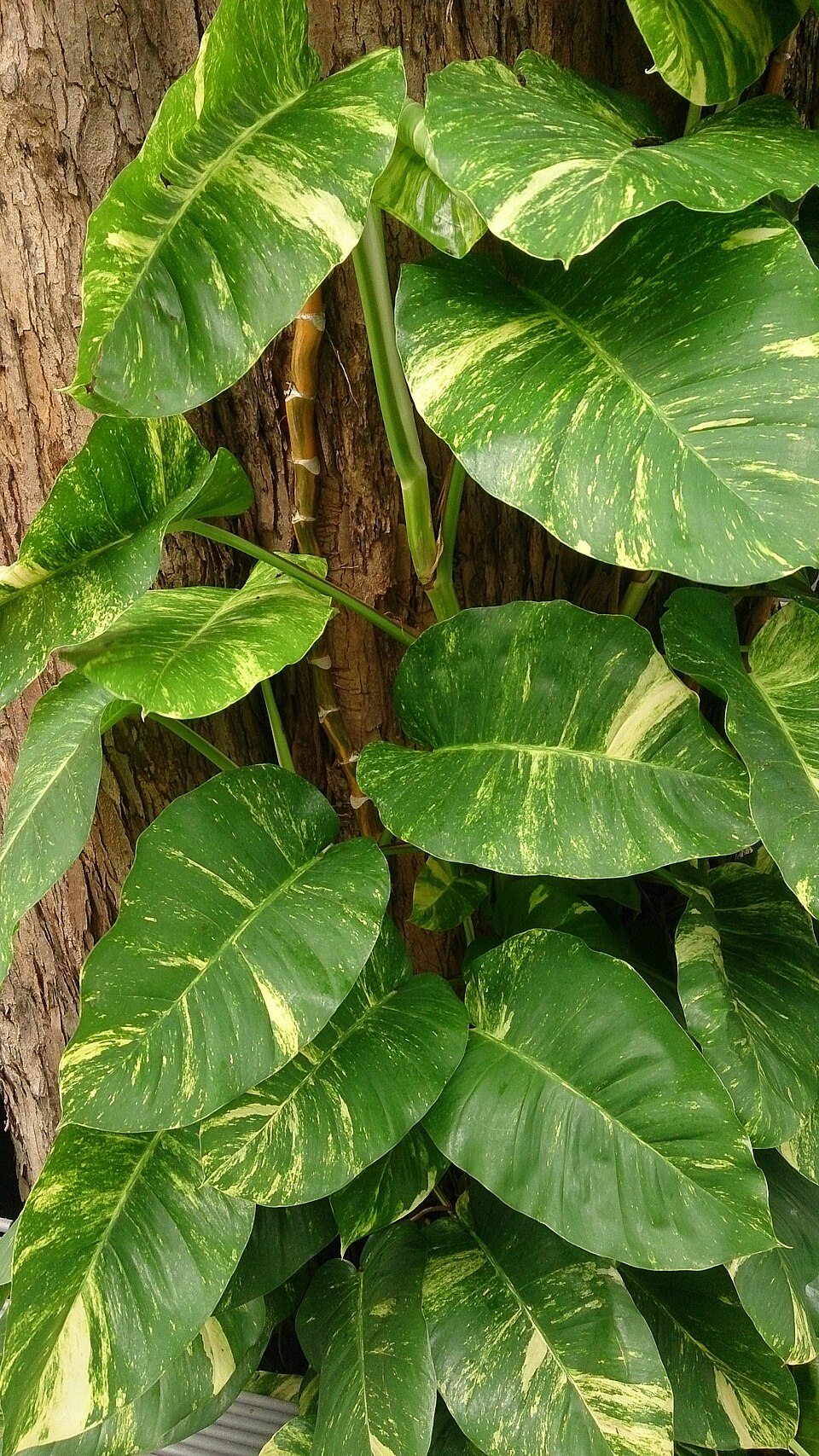
Pothos Epipremnum aureum
“The Chill Vine Bestie”
Droops dramatically, recovers instantly.
🐱 Toxic 🐶 Toxic
Light low light, indirect light, bright indirect light Water When the top inch dries (~weekly) Where Indoor Winter Indoor plant — keep above 12 °C Difficulty Easy · ~3 min/week · 💰 The science behind this match Tells you exactly when it's thirsty by fainting. Two minutes after water: fully resurrected.
Photo: Mokkie, CC BY-SA 3.0 , via Wikimedia Commons
Pet safety sources
Cats: toxic — ASPCA
Dogs: toxic — ASPCA
Find my match Kor!An (Андрей Корзун) · CC BY-SA 3.0
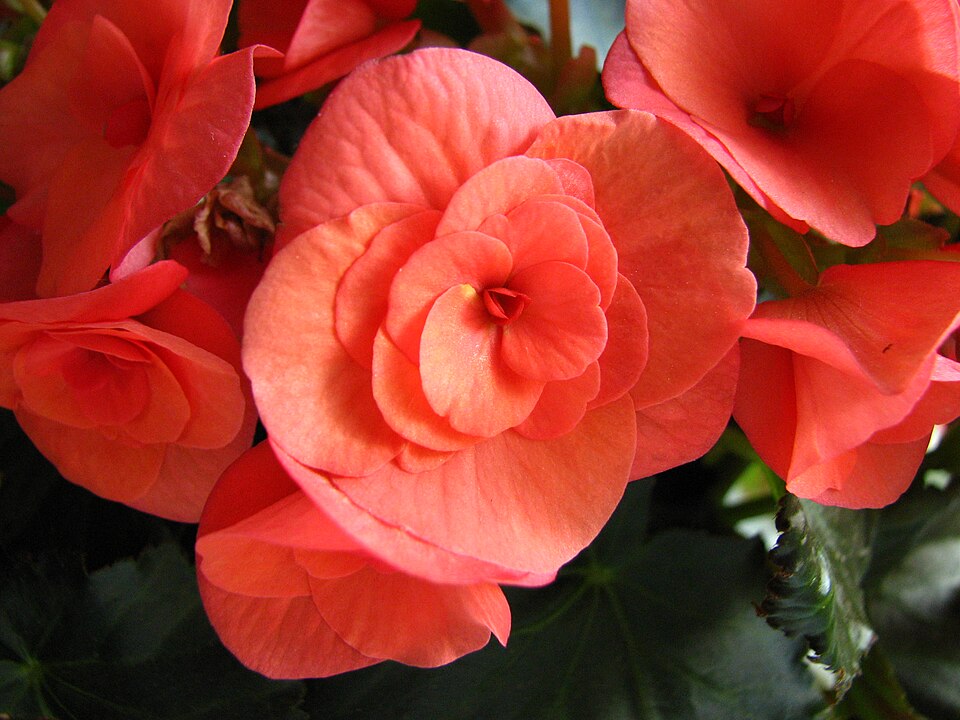
Begonia Begonia spp.
“The Shade Fashionista”
Polka-dot leaves, high standards.
🐱 Toxic 🐶 Toxic
Light indirect light, bright indirect light Water When the top inch dries (~weekly) Where Indoor, or outdoor Winter Frost-sensitive — bring indoors when nights drop below +1 °C Difficulty Moderate · ~12 min/week · 💰💰 The science behind this match Brings color to dark corners. Wears its spots with pride and expects compliments.
Photo: Kor!An (Андрей Корзун), CC BY-SA 3.0 , via Wikimedia Commons
Pet safety sources
Cats: toxic — ASPCA
Dogs: toxic — ASPCA
Find my match Betty Cai · CC BY-SA 4.0
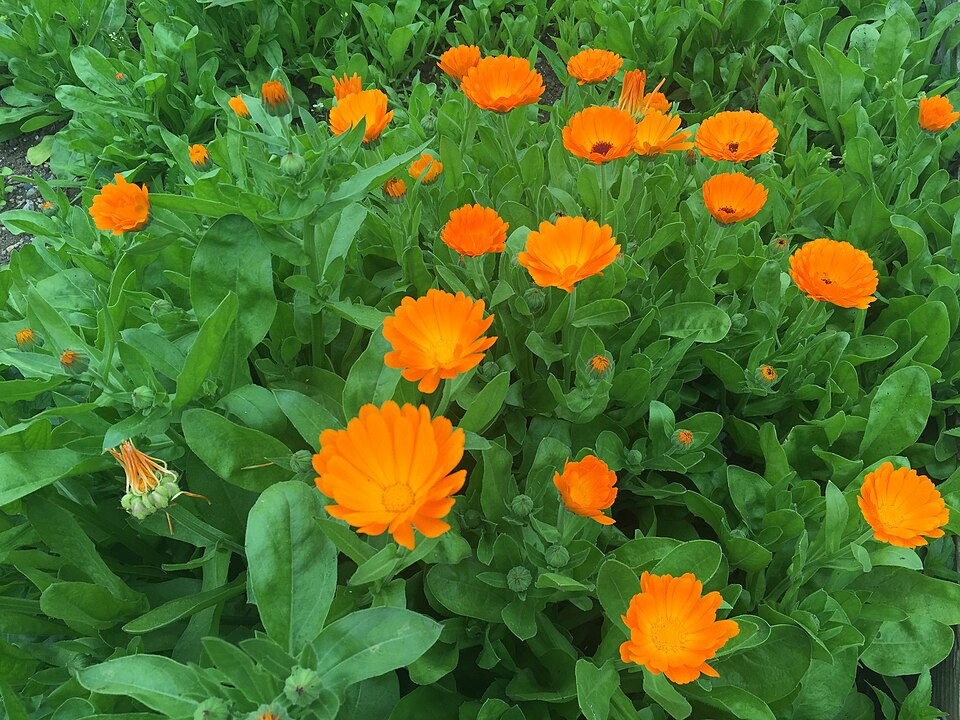
Pot Marigold Calendula officinalis
“The Edible Ray of Sunshine”
You can eat the petals. Fancy.
🐱 Non-toxic 🐶 Non-toxic
Light part sun, full sun Water When the top inch dries (~weekly) Where Outdoor (summer annual) Difficulty Easy · ~6 min/week · 💰 The science behind this match Self-seeds like it's planning a comeback tour every spring. Generous and cheerful.
Photo: Betty Cai, CC BY-SA 4.0 , via Wikimedia Commons
Pet safety sources
Cats: non-toxic — ASPCA
Dogs: non-toxic — ASPCA
Find my match Krzysztof Ziarnek, Kenraiz · CC BY-SA 4.0
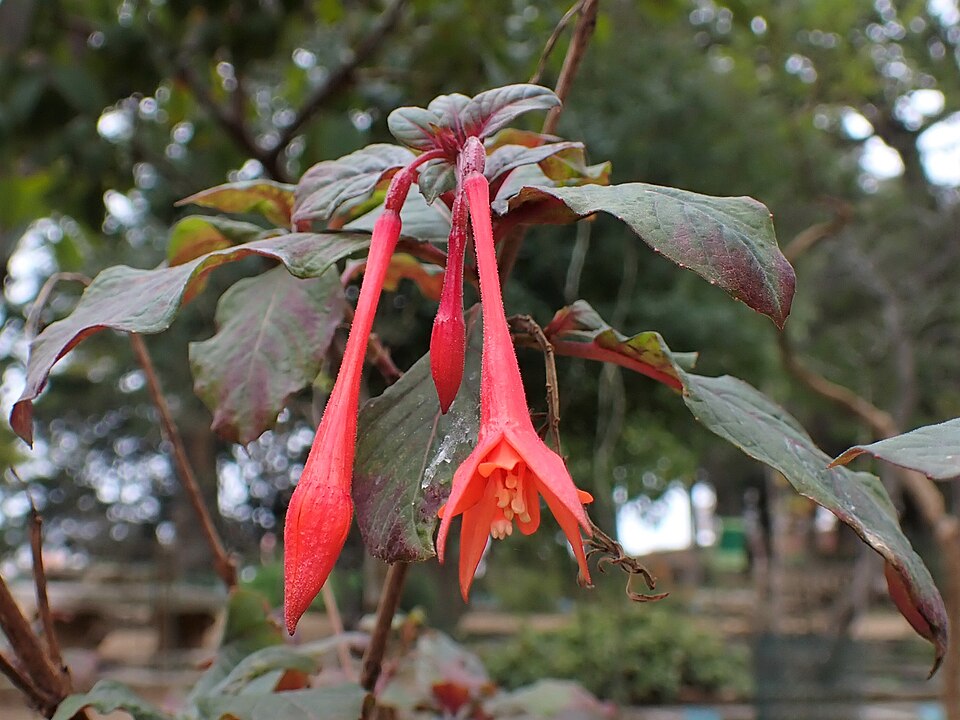
Honeysuckle Fuchsia Fuchsia triphylla
“The Ballerina”
Twirls. Demands. Dazzles.
🐱 Non-toxic 🐶 Non-toxic
Light part shade, part sun Water Keep evenly moist (frequent) Where Outdoor Winter Frost-sensitive — bring indoors when nights drop below +1 °C Difficulty Demanding · ~20 min/week · 💰💰💰 The science behind this match Dangling tutus of coral and red. High maintenance, but every performance is a standing ovation.
Photo: Krzysztof Ziarnek, Kenraiz, CC BY-SA 4.0 , via Wikimedia Commons
Pet safety sources
Cats: non-toxic — ASPCA
Dogs: non-toxic — ASPCA
Find my match WeFt · CC BY-SA 3.0
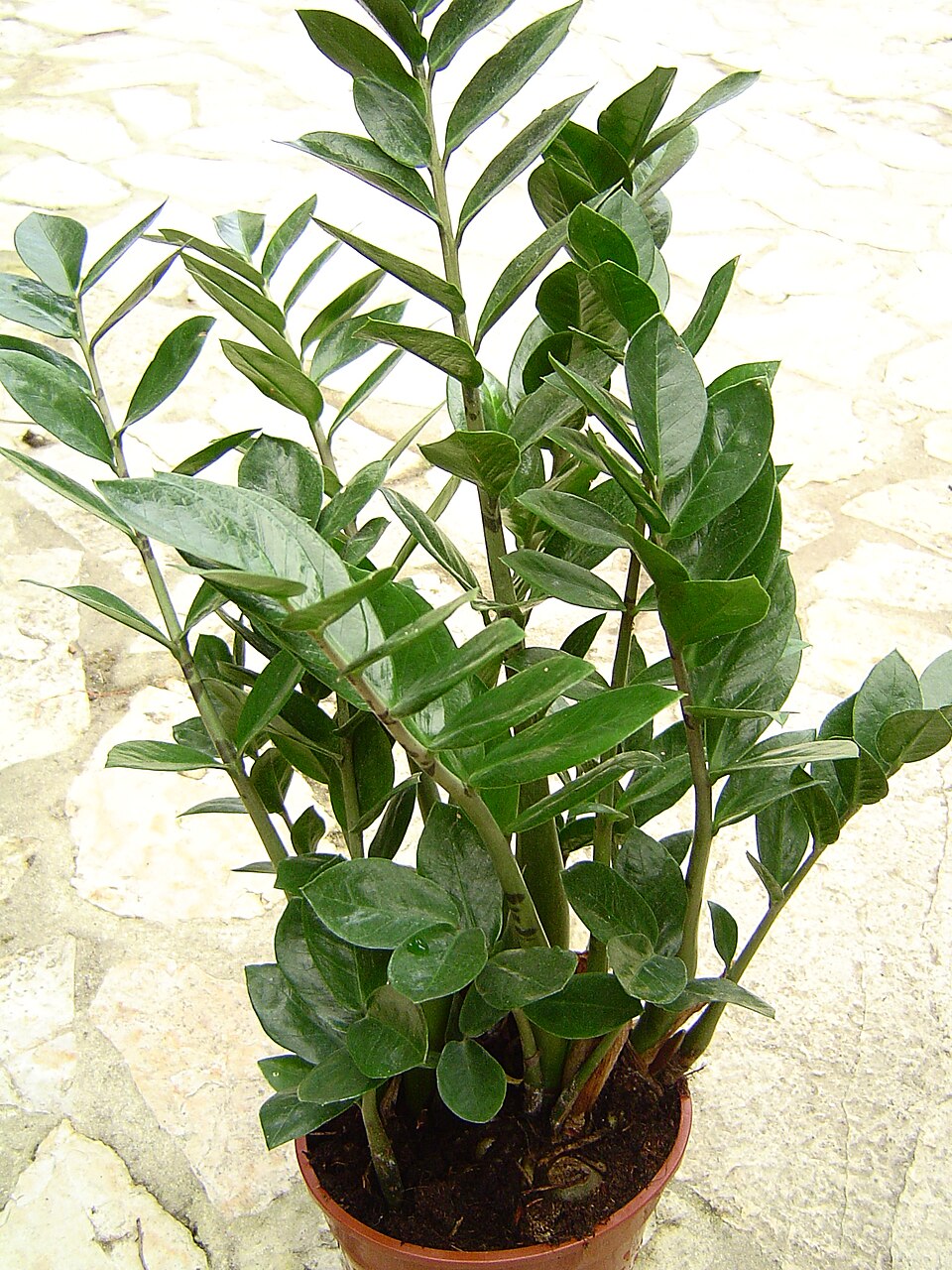
ZZ Plant Zamioculcas zamiifolia
“The Plant Who Forgot You Existed”
Forget it for a month. It forgot you too.
🐱 Toxic 🐶 Toxic
Light low light, indirect light, bright indirect light Water Drought-tolerant (every 2–4 weeks) Where Indoor Winter Indoor plant — keep above 12 °C Difficulty Easy · ~1 min/week · 💰💰 The science behind this match Glossy, unbothered, practically plastic. Ideal for the blissfully forgetful.
Photo: WeFt, CC BY-SA 3.0 , via Wikimedia Commons
Pet safety sources
Cats: toxic — NC State Extension . Not in the ASPCA list; contains calcium oxalate.
Dogs: toxic — NC State Extension . Not in the ASPCA list; contains calcium oxalate.
Find my match Averater · CC BY 4.0
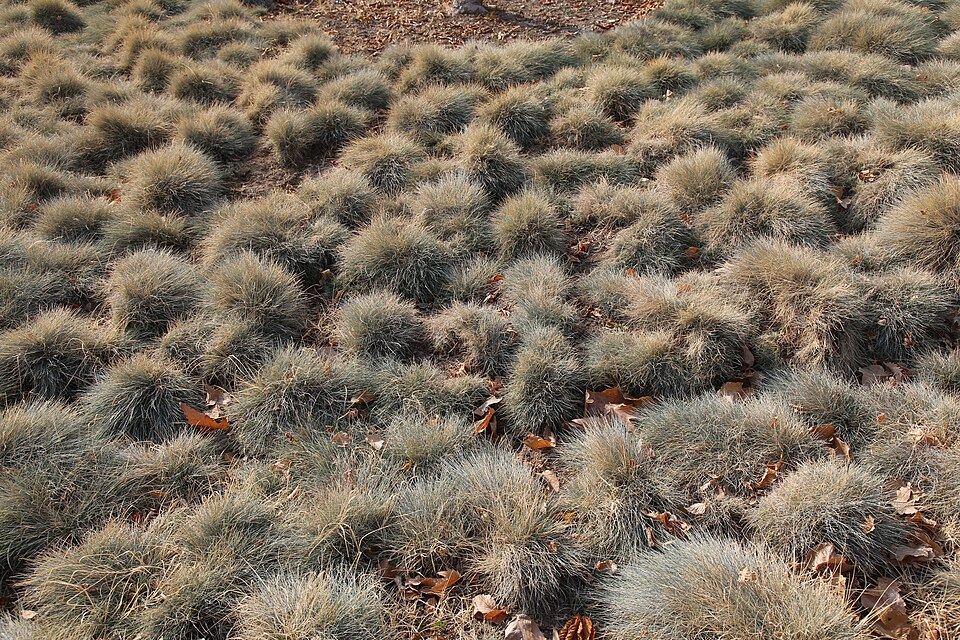
Blue Fescue Festuca glauca
“The Windswept Poet”
Sways tragically in the breeze.
🐱 ⚠️ Unverified 🐶 ⚠️ Unverified
Light part sun, full sun Water Drought-tolerant (every 2–4 weeks) Where Outdoor Winter Winter-hardy — stays outside year-round (to −34 °C) Difficulty Easy · ~3 min/week · 💰💰 The science behind this match Built for gusty balconies. Looks like a music video. Requires approximately nothing.
Photo: Averater, CC BY 4.0 , via Wikimedia Commons
Pet safety sources
Cats: not verified. Not listed by the ASPCA.
Dogs: not verified. Not listed by the ASPCA.
Find my match Bachelot Pierre J-P · CC BY-SA 3.0
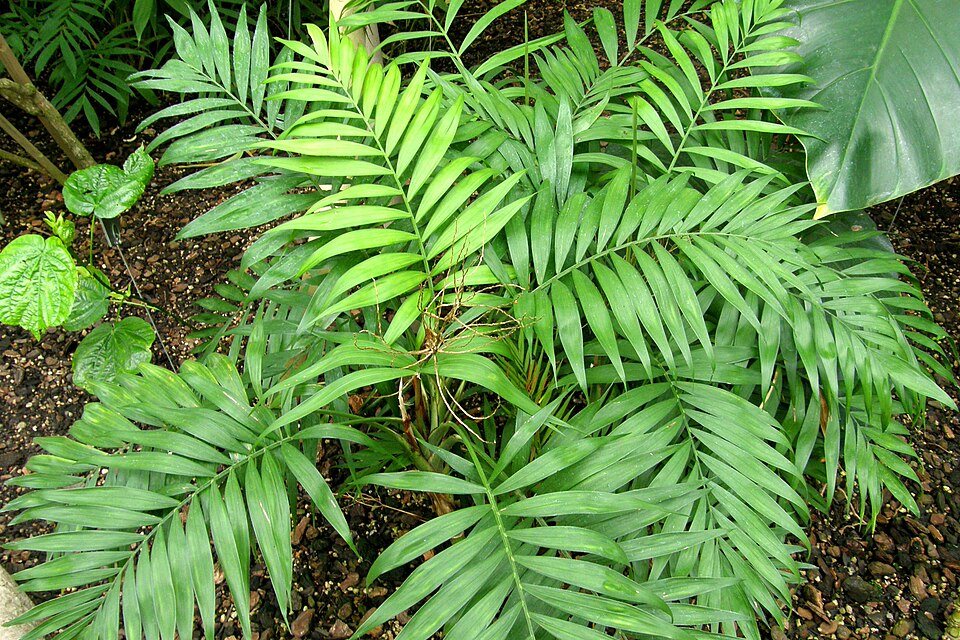
Parlor Palm Chamaedorea elegans
“The Victorian Butler”
Has tolerated dim parlours since 1850.
🐱 Non-toxic 🐶 Non-toxic
Light low light, indirect light Water When the top inch dries (~weekly) Where Indoor Winter Indoor plant — keep above 12 °C Difficulty Easy · ~5 min/week · 💰💰 The science behind this match Impeccable manners, zero sunlight required. Will quietly hold the fort in your darkest hallway.
Photo: Bachelot Pierre J-P, CC BY-SA 3.0 , via Wikimedia Commons
Pet safety sources
Cats: non-toxic — ASPCA
Dogs: non-toxic — ASPCA
Find my match KENPEI · CC BY-SA 3.0
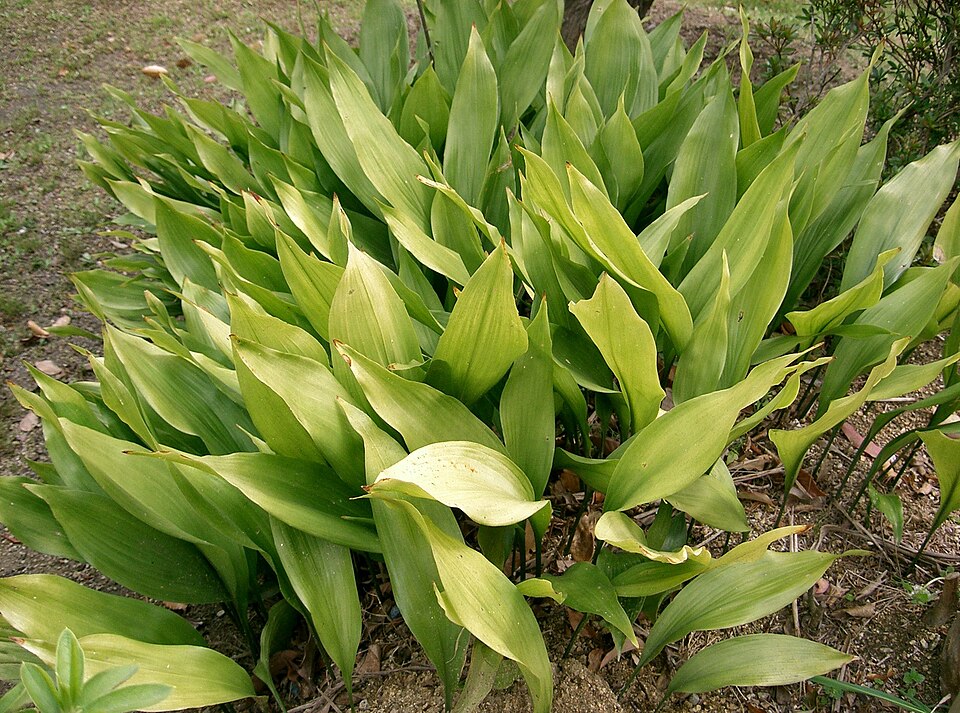
Cast Iron Plant Aspidistra elatior
“The Unbreakable Grandma”
Survived the Victorians. Will survive you.
🐱 Non-toxic 🐶 Non-toxic
Light low light, indirect light Water Drought-tolerant (every 2–4 weeks) Where Indoor, or outdoor Winter Winter-hardy — stays outside year-round (to −18 °C) Difficulty Easy · ~2 min/week · 💰💰 The science behind this match Gloom, drafts, forgotten waterings — she's seen it all and is frankly unimpressed.
Photo: KENPEI, CC BY-SA 3.0 , via Wikimedia Commons
Pet safety sources
Cats: non-toxic — ASPCA
Dogs: non-toxic — ASPCA
Find my match Forest and Kim Starr · CC BY 3.0
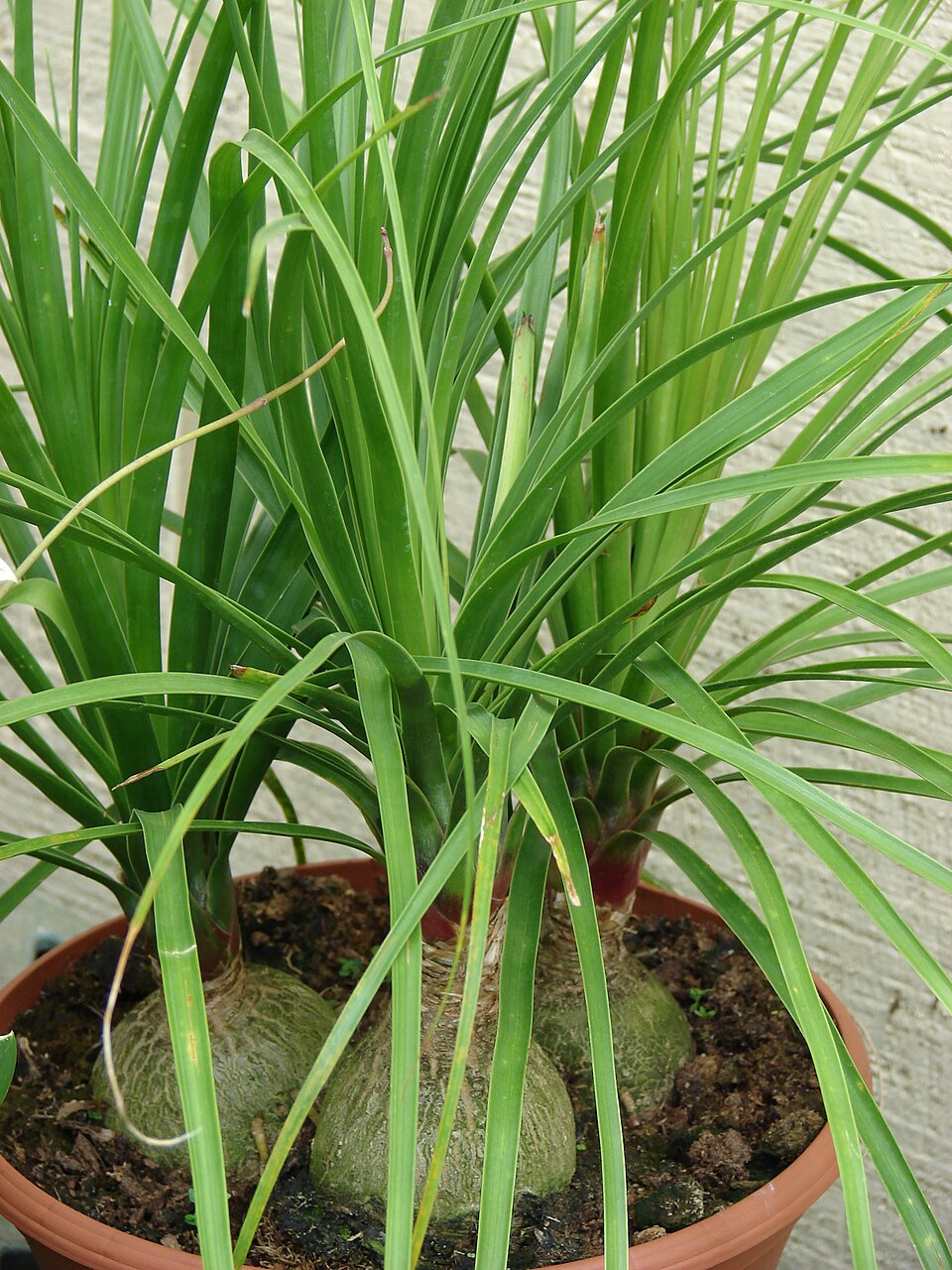
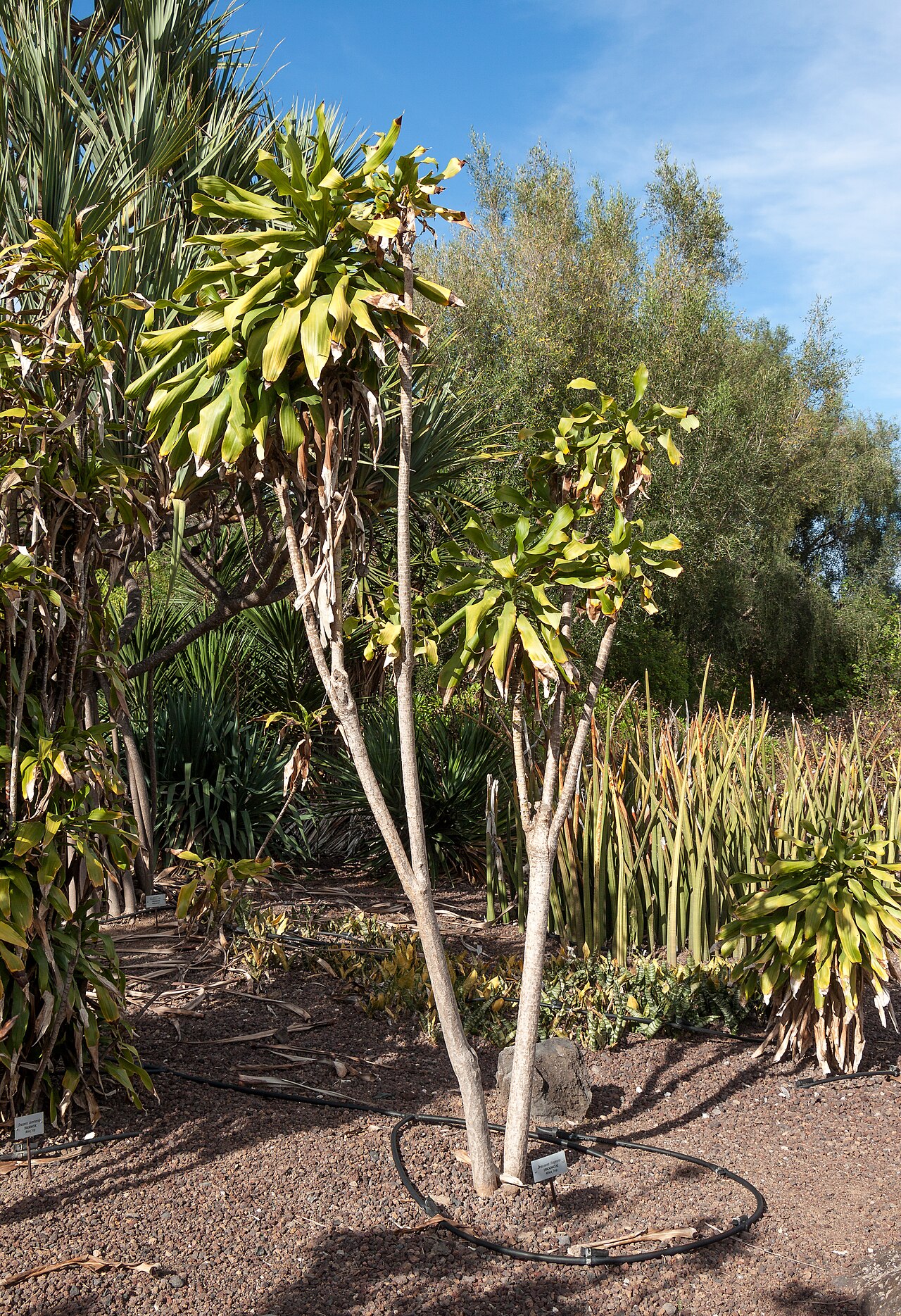
Ponytail Palm Beaucarnea recurvata
“The Bad Hair Day Camel”
Stores water in its trunk like a snack hoarder.
🐱 Non-toxic 🐶 Non-toxic
Light bright indirect light, direct sun Water Drought-tolerant (every 2–4 weeks) Where Indoor, or outdoor Winter Frost-sensitive — bring indoors when nights drop below −5 °C Difficulty Easy · ~2 min/week · 💰💰 The science behind this match Wild hair, swollen ankles, total confidence. Water it monthly and let the vibes do the rest.
Photo: Forest and Kim Starr, CC BY 3.0 , via Wikimedia Commons
Pet safety sources
Cats: non-toxic — ASPCA
Dogs: non-toxic — ASPCA
Find my match Stephen Boisvert · CC BY 2.0
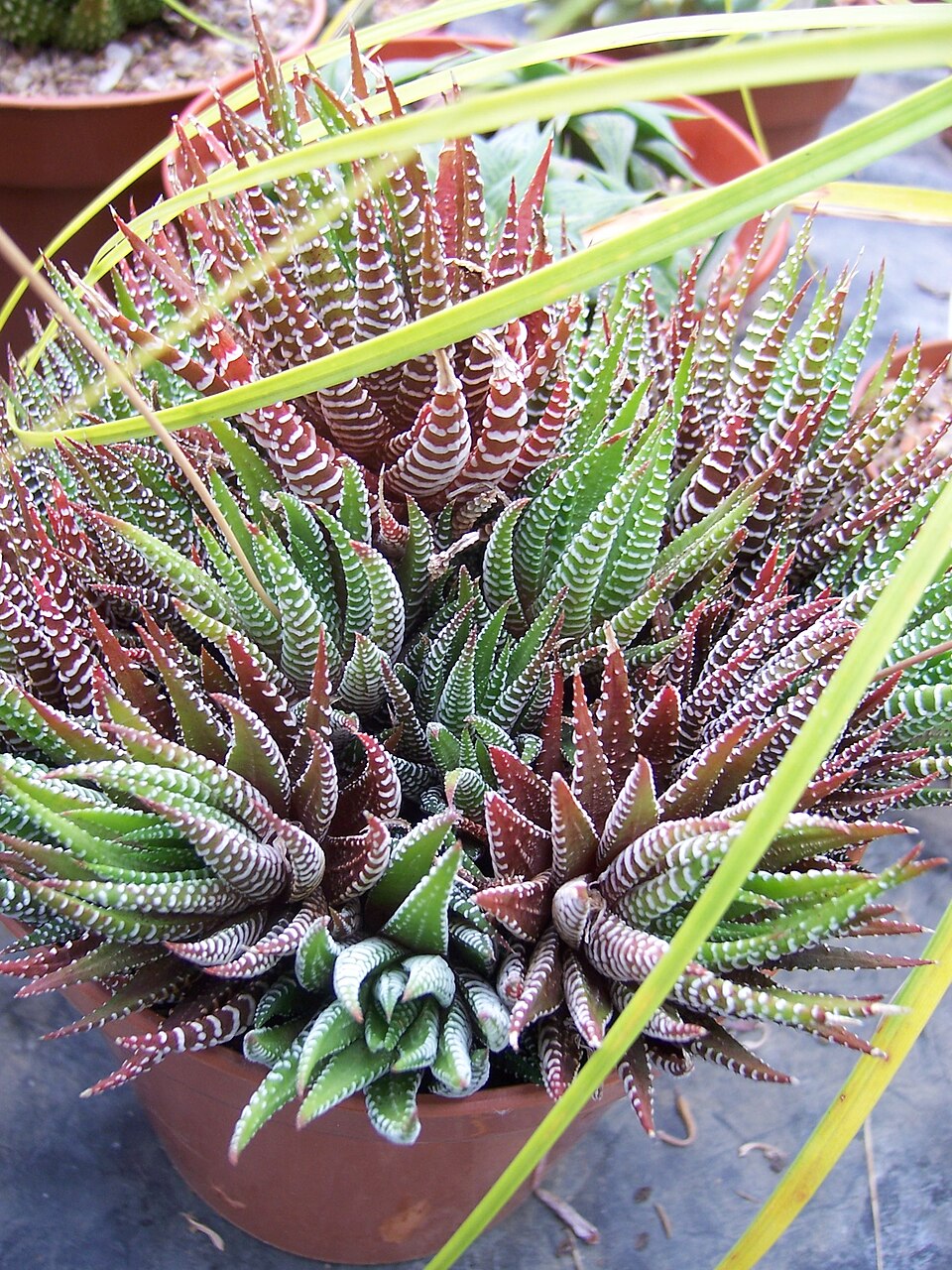
Zebra Haworthia Haworthia spp. (e.g. H. fasciata)
“The Tiny Striped Introvert”
Small, striped, and does not want to talk about it.
🐱 Non-toxic 🐶 Non-toxic
Light indirect light, bright indirect light Water Drought-tolerant (every 2–4 weeks) Where Indoor Winter Indoor plant — keep above 12 °C Difficulty Easy · ~1 min/week · 💰 The science behind this match A desk-sized succulent that prefers being left alone. Relatable.
Photo: Stephen Boisvert, CC BY 2.0 , via Wikimedia Commons
Pet safety sources
Cats: non-toxic — ASPCA
Dogs: non-toxic — ASPCA
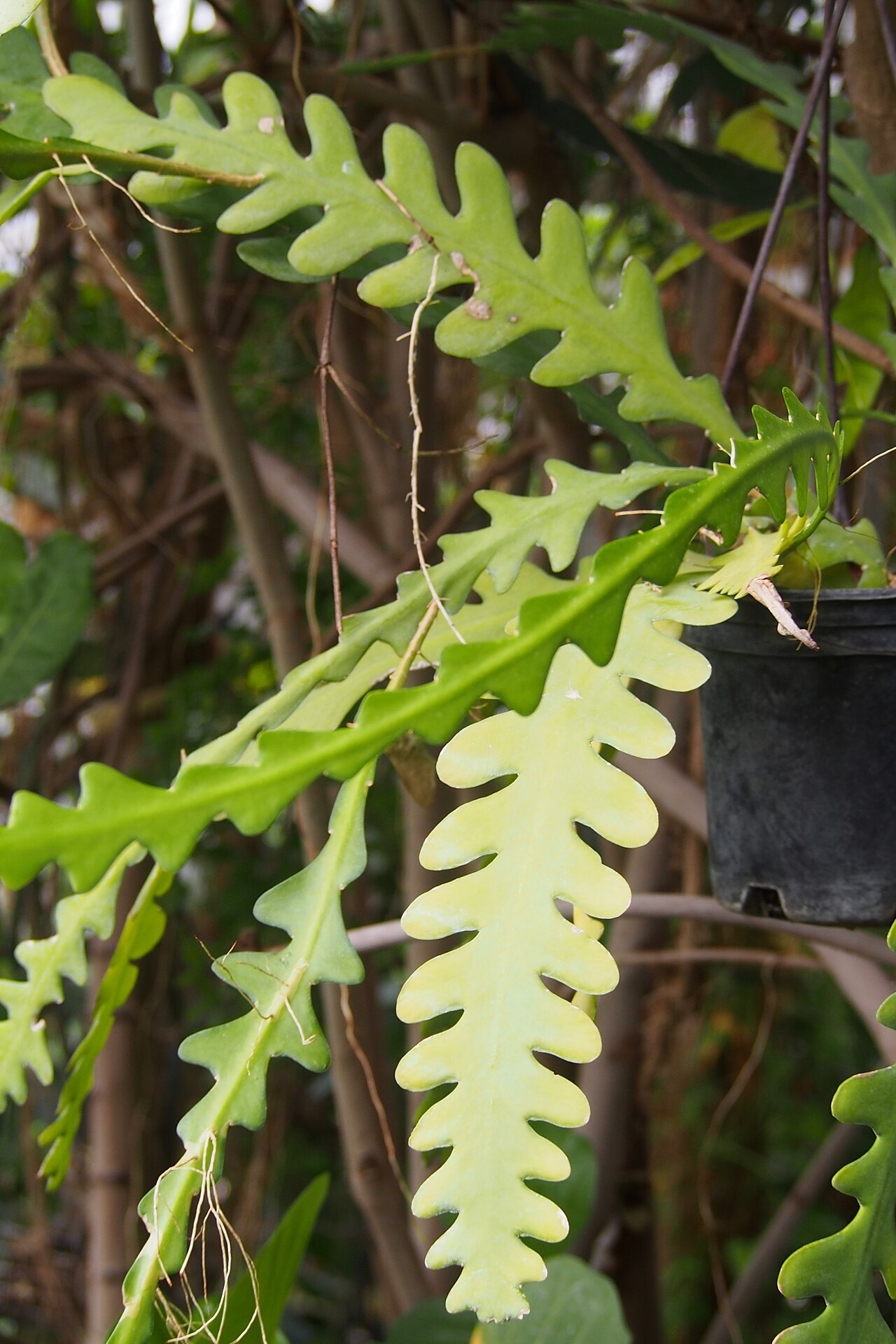
Find my match Empereur Day, edited by Peter coxhead · CC BY-SA 3.0
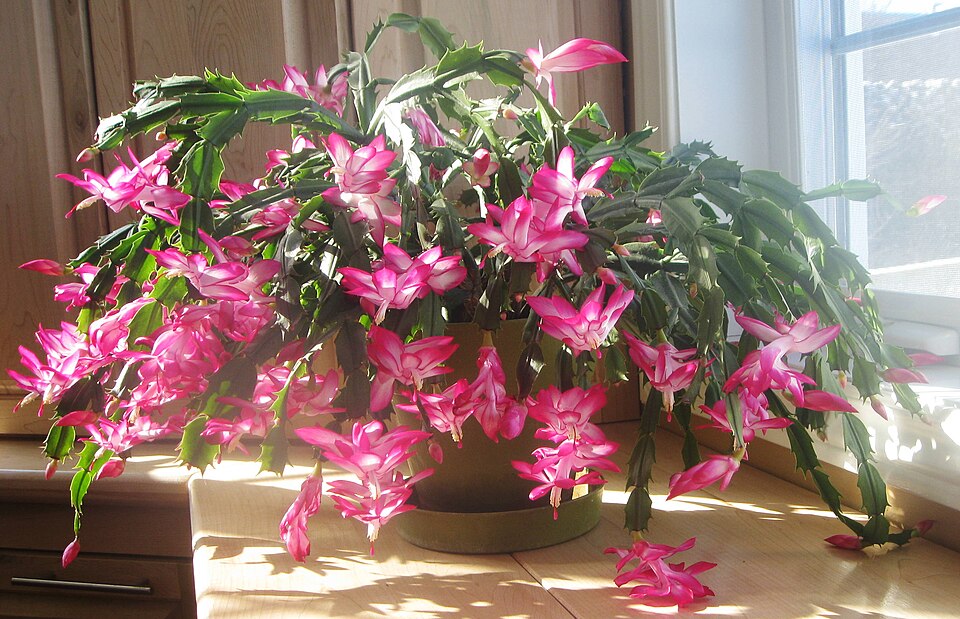
Christmas Cactus Schlumbergera bridgesii
“The Holiday Drama Kid”
Saves all its energy for one big December show.
🐱 Non-toxic 🐶 Non-toxic 🌵 Cactus
Light indirect light, bright indirect light Water When the top inch dries (~weekly) Where Indoor Winter Indoor plant — keep above 12 °C Difficulty Moderate · ~5 min/week · 💰 The science behind this match Not a desert cactus — a rainforest one. Wants a drink, a cool autumn and an audience.
Photo: Empereur Day, edited by Peter coxhead, CC BY-SA 3.0 , via Wikimedia Commons
Pet safety sources
Cats: non-toxic — ASPCA
Dogs: non-toxic — ASPCA
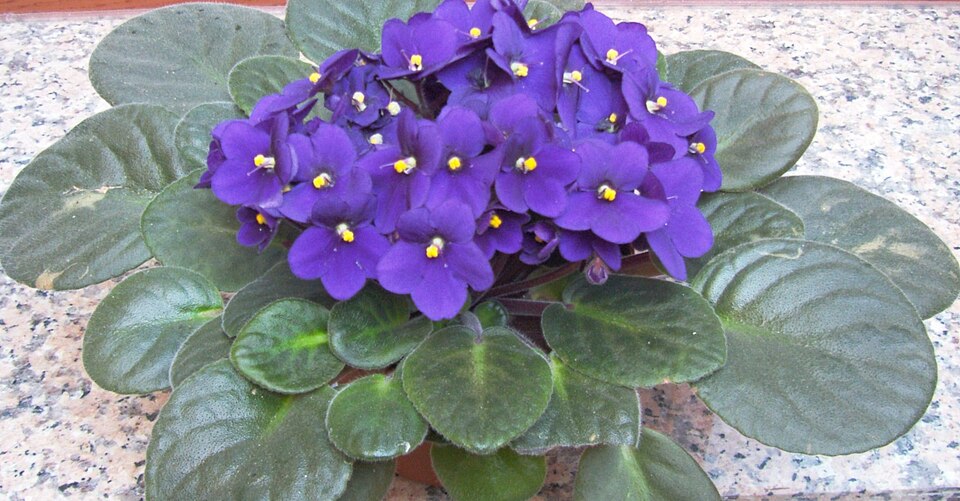
Find my match RobertoMM · CC BY-SA 3.0
African Violet Saintpaulia spp.
“The Fussy Velvet Aunt”
Don't splash her leaves. She will remember.
🐱 Non-toxic 🐶 Non-toxic
Light indirect light, bright indirect light Water When the top inch dries (~weekly) Where Indoor Winter Indoor plant — keep above 12 °C Difficulty Demanding · ~15 min/week · 💰 The science behind this match Velvet leaves, purple blooms, strong opinions about water temperature. Rewarding for the attentive.
Photo: RobertoMM, CC BY-SA 3.0 , via Wikimedia Commons
Pet safety sources
Cats: non-toxic — ASPCA
Dogs: non-toxic — ASPCA
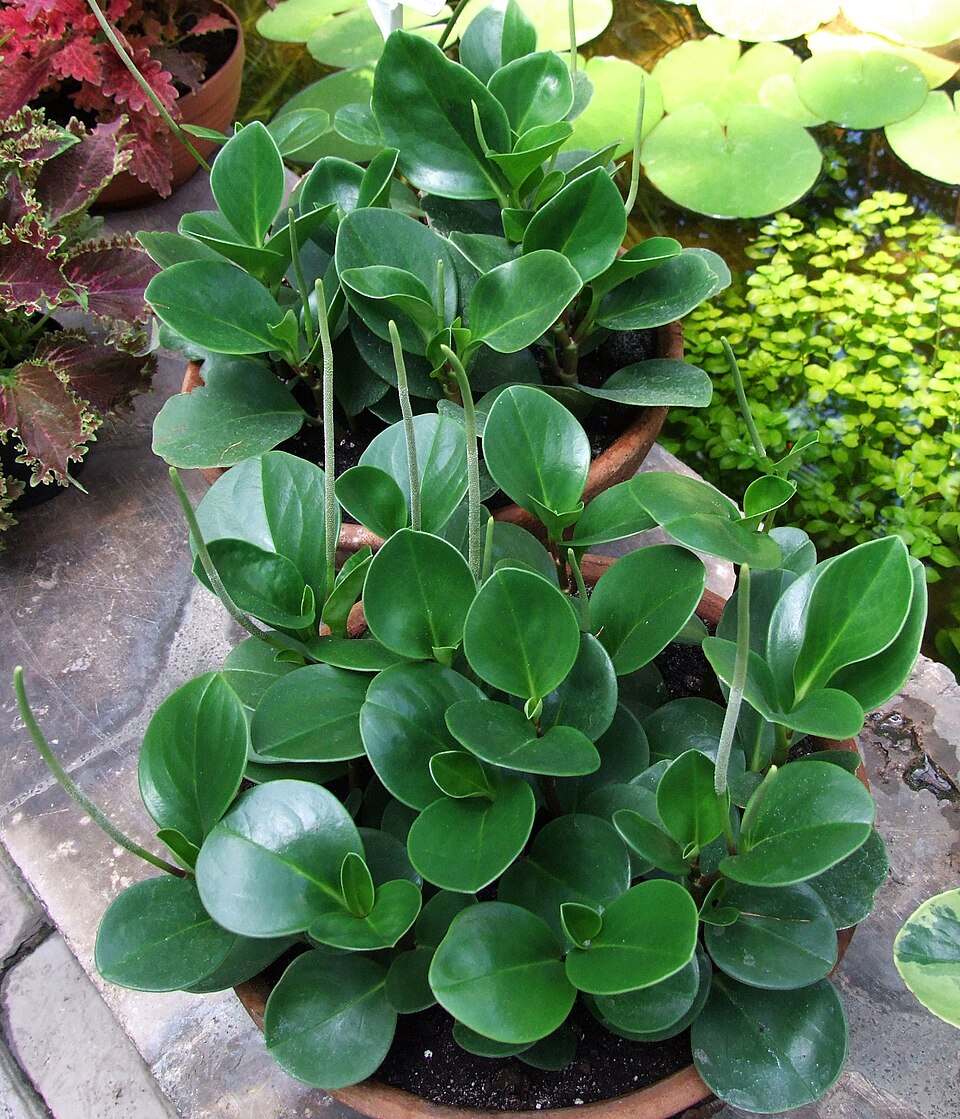
Find my match Jerzy Opioła · CC BY-SA 4.0
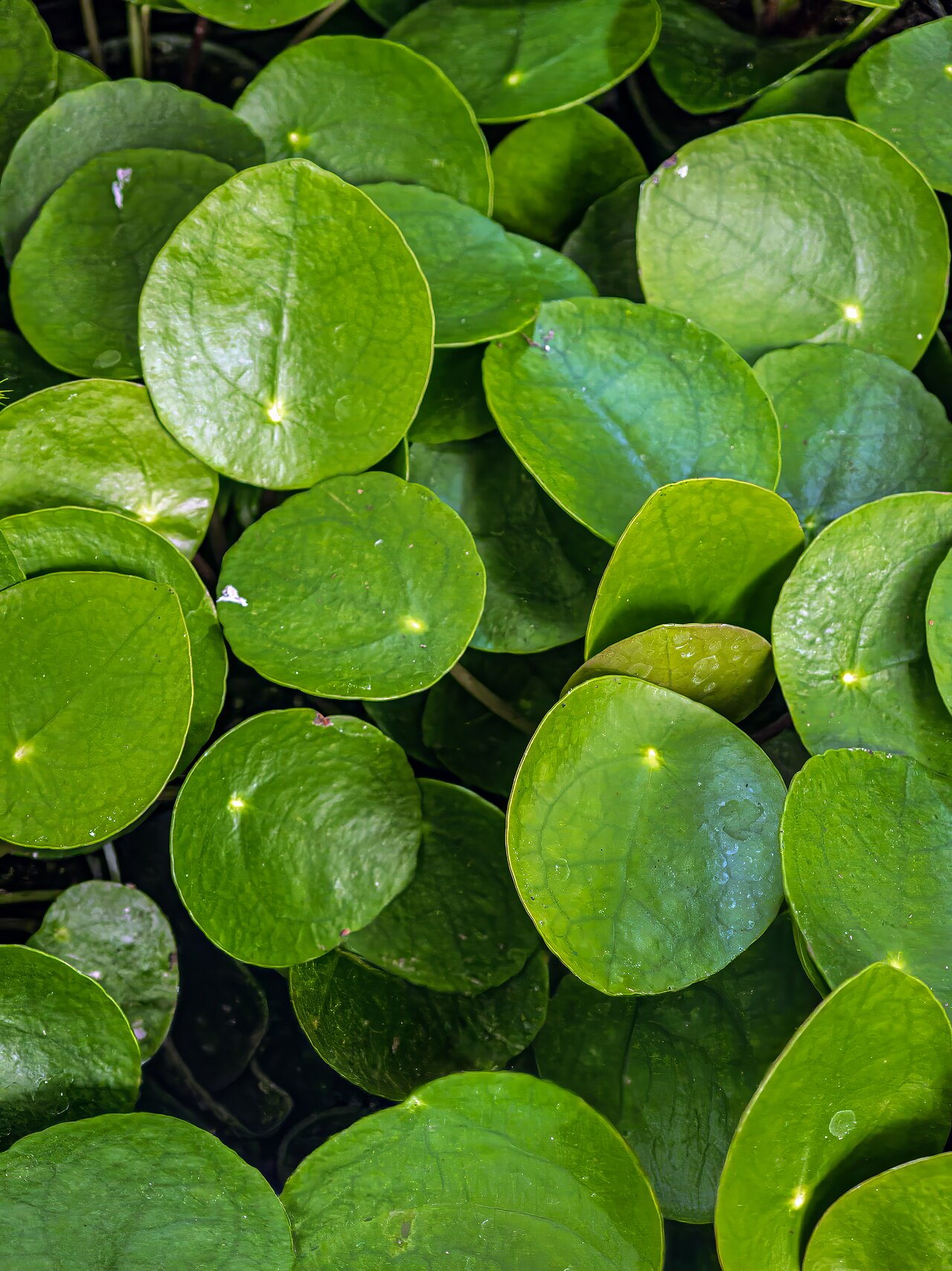
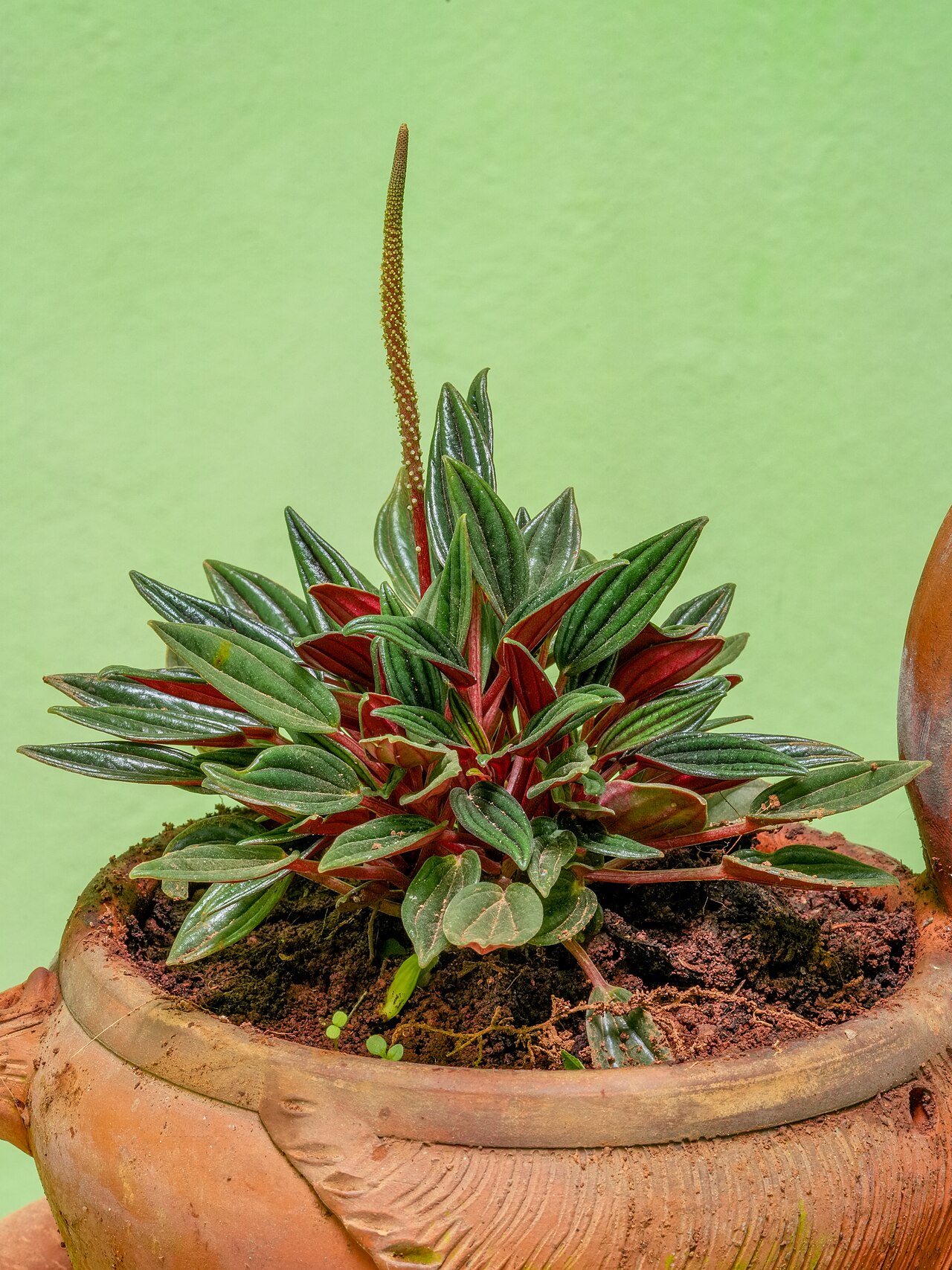
Baby Rubber Plant Peperomia obtusifolia
“The Chubby-Cheeked Optimist”
Stores water in its cheeks for emergencies.
🐱 Non-toxic 🐶 Non-toxic
Light indirect light, bright indirect light Water Drought-tolerant (every 2–4 weeks) Where Indoor Winter Indoor plant — keep above 12 °C Difficulty Easy · ~2 min/week · 💰 The science behind this match Glossy, round and relentlessly upbeat. Forgives the odd forgotten week without a fuss.
Photo: Jerzy Opioła, CC BY-SA 4.0 , via Wikimedia Commons
Pet safety sources
Cats: non-toxic — ASPCA
Dogs: non-toxic — ASPCA
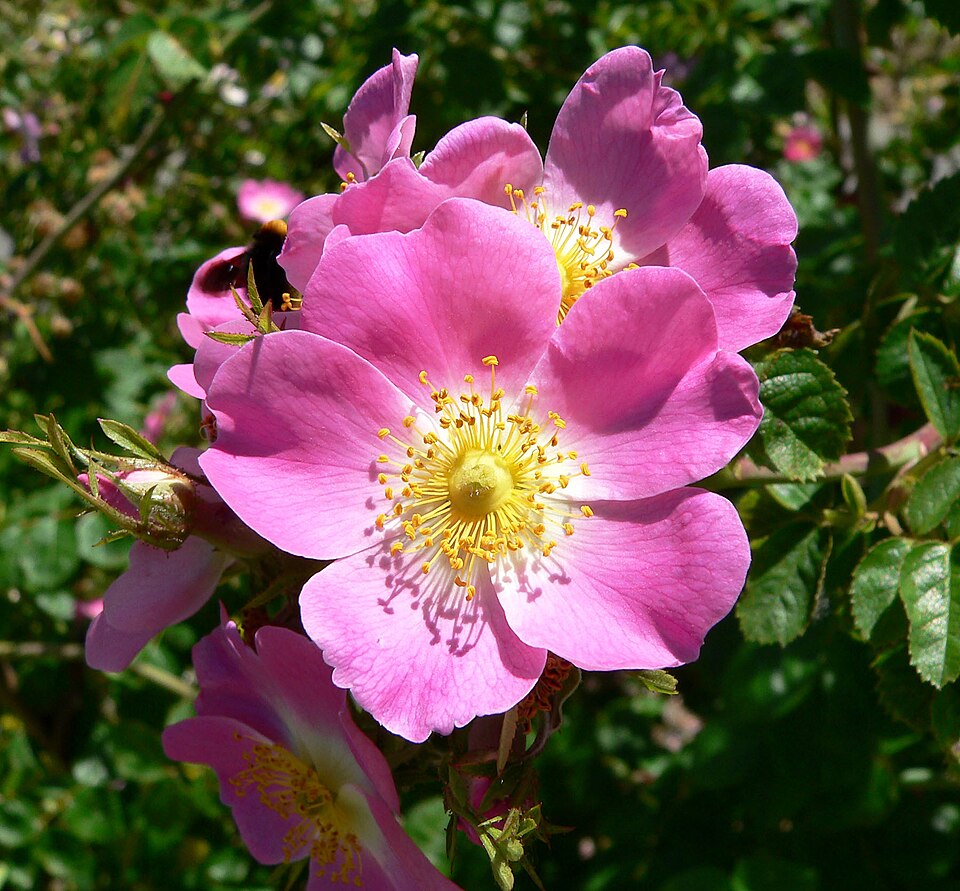
Find my match Stan Shebs · CC BY-SA 3.0
Shrub Rose Rosa spp.
“The Thorny Romantic”
Wants sun, food, pruning and your undivided love.
🐱 Non-toxic 🐶 Non-toxic
Light full sun Water When the top inch dries (~weekly) Where Outdoor Winter Winter-hardy — stays outside year-round (to −29 °C) Difficulty Demanding · ~20 min/week · 💰💰💰 The science behind this match The classic high-maintenance date: stunning, scented, and quick to sulk if you skip feeding day.
Photo: Stan Shebs, CC BY-SA 3.0 , via Wikimedia Commons
Pet safety sources
Cats: non-toxic — ASPCA
Dogs: non-toxic — ASPCA
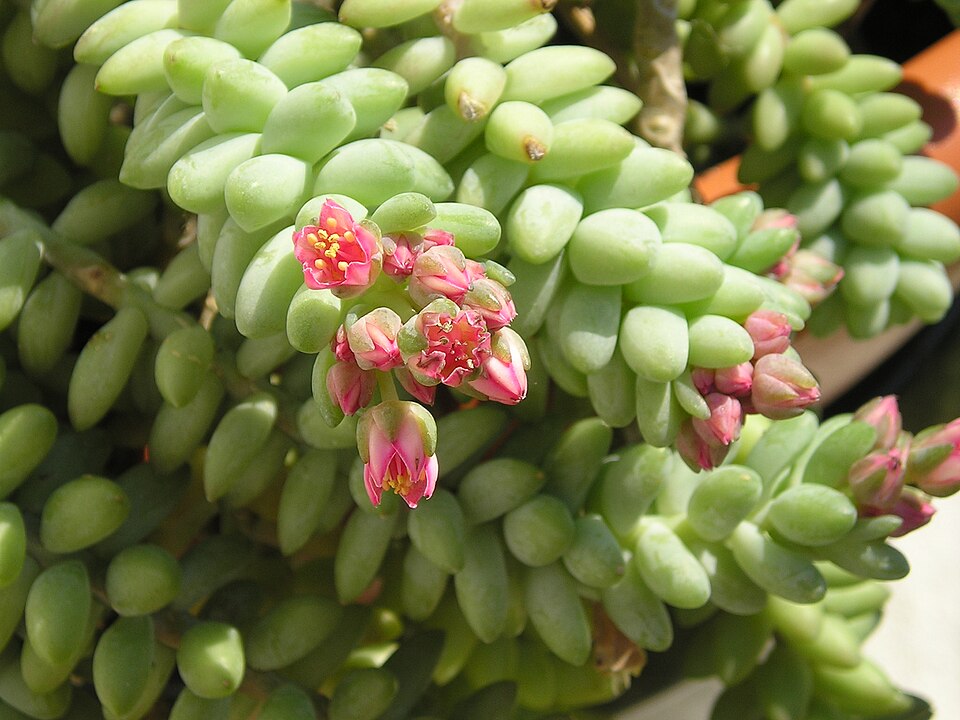
Find my match Morningdew51 · CC BY-SA 3.0
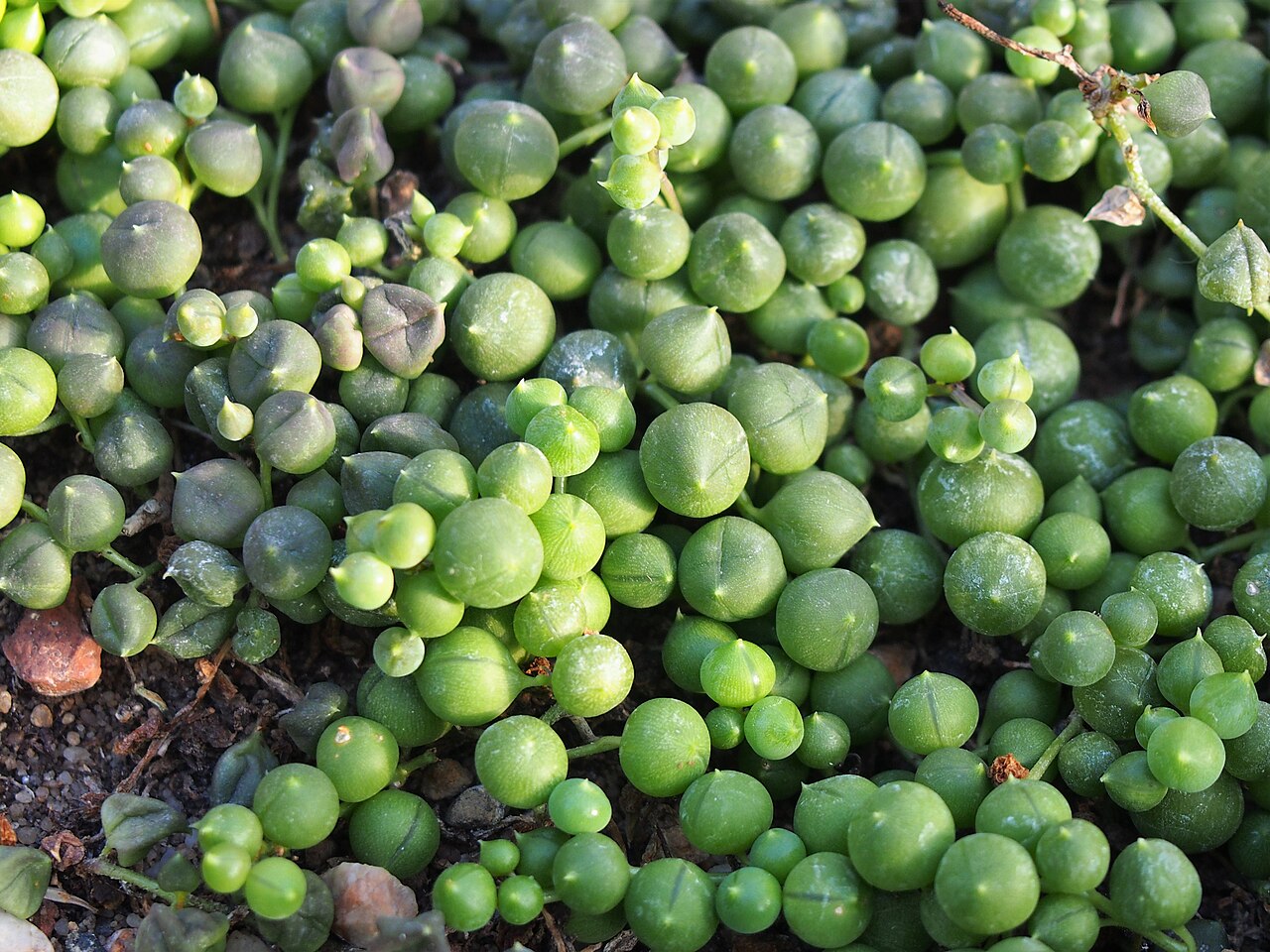
Burro's Tail Sedum morganianum
“The Clumsy Dreadlock Diva”
Drops a leaf if you so much as look at it.
🐱 Non-toxic 🐶 Non-toxic
Light bright indirect light, direct sun Water Drought-tolerant (every 2–4 weeks) Where Indoor, or outdoor Winter Frost-sensitive — bring indoors when nights drop below +1 °C Difficulty Moderate · ~3 min/week · 💰💰 The science behind this match Trailing ropes of plump beads. Barely drinks, but hates being moved. Pick a spot and commit.
Photo: Morningdew51, CC BY-SA 3.0 , via Wikimedia Commons
Pet safety sources
Cats: non-toxic — ASPCA
Dogs: non-toxic — ASPCA
Find my match W.carter · CC0
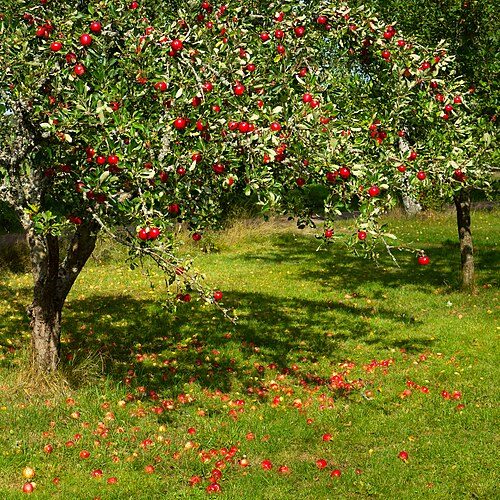
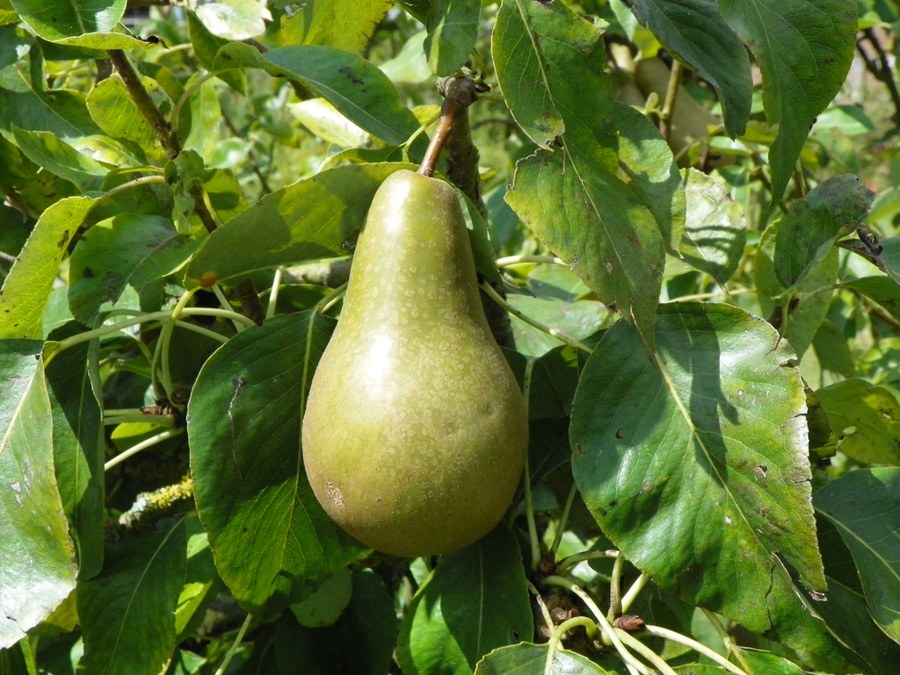
Apple Tree Malus domestica
“The Teacher's Pet”
An apple a day, after three years of patience.
🐱 Toxic 🐶 Toxic 🧺 Fruit tree
Light full sun Water When the top inch dries (~weekly) Where Outdoor Winter Winter-hardy — stays outside year-round (to −34 °C) Difficulty Moderate · ~15 min/week · 💰💰💰 The science behind this match Wants full sun, a proper cold winter and a yearly haircut. Pays you back in crumble for decades.
Photo: W.carter, CC0 , via Wikimedia Commons
Pet safety sources
Cats: toxic — ASPCA
Dogs: toxic — ASPCA
Find my match Debra Roby · CC BY 2.0
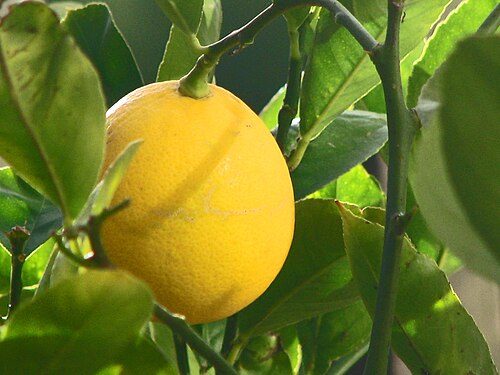
Meyer Lemon Citrus × meyeri
“The Sour-Faced Sunbather”
Lives in a pot, dreams of the Riviera.
🐱 Toxic 🐶 Toxic 🧺 Fruit tree
Light bright indirect light, direct sun Water When the top inch dries (~weekly) Where Indoor, or outdoor Winter Frost-sensitive — bring indoors when nights drop below −5 °C Difficulty Moderate · ~12 min/week · 💰💰💰 The science behind this match A compact citrus that summers outside after frost risk passes and winters in a bright, cool, frost-free room. The flowers smell like a fancy hotel lobby.
Photo: Debra Roby, CC BY 2.0 , via Wikimedia Commons
Growing reference: RHS
Pet safety sources
Cats: toxic — ASPCA . The ASPCA lists lemon trees as toxic; Meyer lemon is a lemon hybrid.
Dogs: toxic — ASPCA . The ASPCA lists lemon trees as toxic; Meyer lemon is a lemon hybrid.
Find my match Stefan Thiesen · CC BY-SA 3.0
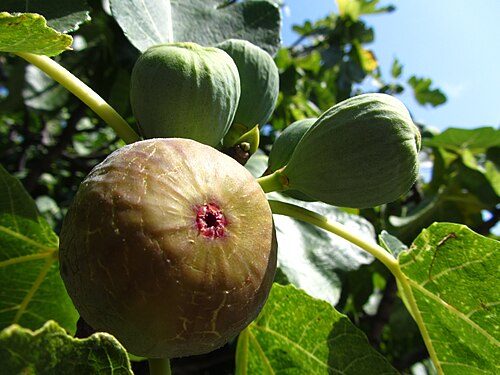
Common Fig Ficus carica
“The Mediterranean Show-Off”
Thrives on heat, neglect and a sunny wall.
🐱 ⚠️ Unverified 🐶 ⚠️ Unverified 🧺 Fruit tree
Light full sun Water When the top inch dries (~weekly) Where Outdoor Winter Winter-hardy — stays outside year-round (to −18 °C) Difficulty Easy · ~8 min/week · 💰💰 The science behind this match Big tropical-looking leaves, sticky-sweet fruit and the confidence of a plant people have grown for 11,000 years.
Photo: Stefan Thiesen, CC BY-SA 3.0 , via Wikimedia Commons
Pet safety sources
Cats: not verified. The ASPCA's “fig” entry is the weeping fig (Ficus benjamina), a different species.
Dogs: not verified. The ASPCA's “fig” entry is the weeping fig (Ficus benjamina), a different species.
Find my match T. Kebert · CC BY-SA 4.0
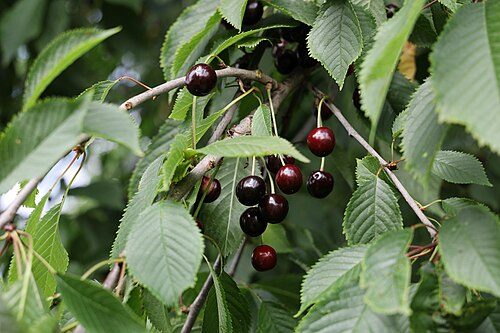
Sweet Cherry Prunus avium
“The Bird Feeder in Denial”
Grows cherries. Birds eat cherries. Repeat.
🐱 Toxic 🐶 Toxic 🧺 Fruit tree
Light full sun Water When the top inch dries (~weekly) Where Outdoor Winter Winter-hardy — stays outside year-round (to −29 °C) Difficulty Demanding · ~20 min/week · 💰💰💰 The science behind this match Gorgeous spring blossom, then a summer-long turf war with the local birds. Needs pruning, netting and often a pollination partner.
Photo: T. Kebert, CC BY-SA 4.0 , via Wikimedia Commons
Pet safety sources
Cats: toxic — ASPCA
Dogs: toxic — ASPCA
Find my match 4028mdk09 · CC BY-SA 3.0
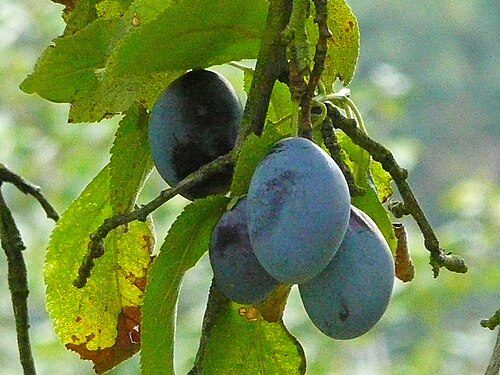
Plum Tree Prunus domestica
“The Chronic Overgiver”
Gives you 200 plums in the same week.
🐱 Toxic 🐶 Toxic 🧺 Fruit tree
Light full sun Water When the top inch dries (~weekly) Where Outdoor Winter Winter-hardy — stays outside year-round (to −29 °C) Difficulty Moderate · ~12 min/week · 💰💰💰 The science behind this match Self-fertile varieties need no partner. Expect a glut, a jam phase, and pressing plums on neighbours who didn't ask.
Photo: 4028mdk09, CC BY-SA 3.0 , via Wikimedia Commons
Pet safety sources
Cats: toxic — ASPCA
Dogs: toxic — ASPCA
Find my match Beko · CC BY-SA 4.0
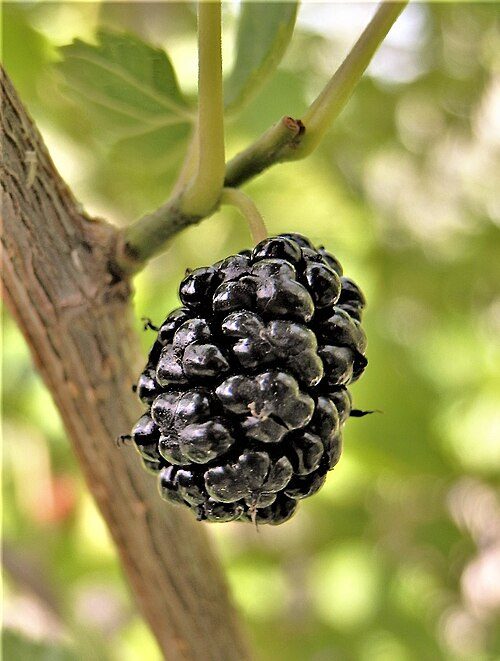
Mulberry Tree Morus spp. (e.g. M. nigra, M. alba)
“The Purple-Fingered Prankster”
Stains everything. Regrets nothing.
🐱 Non-toxic 🐶 Non-toxic 🧺 Fruit tree
Light part sun, full sun Water Drought-tolerant (every 2–4 weeks) Where Outdoor Winter Winter-hardy — stays outside year-round (to −29 °C) Difficulty Easy · ~8 min/week · 💰💰 The science behind this match Tough, fast-growing and drought-proof once settled, with berries that will dye your hands, your path and possibly your dog.
Photo: Beko, CC BY-SA 4.0 , via Wikimedia Commons
Pet safety sources
Cats: non-toxic — ASPCA
Dogs: non-toxic — ASPCA
Find my match Yu-Huang Wang · CC BY 4.0
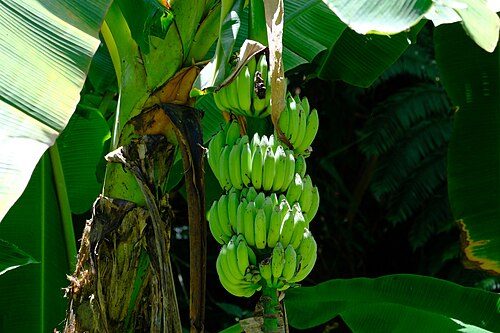
Dwarf Banana Musa acuminata 'Dwarf Cavendish'
“The Tropical Holiday Romance”
Huge leaves, huge thirst, huge personality.
🐱 Non-toxic 🐶 Non-toxic 🧺 Grows fruit
Light bright indirect light, direct sun Water Keep evenly moist (frequent) Where Indoor, or outdoor Winter Frost-sensitive — bring indoors when nights drop below −5 °C Difficulty Moderate · ~15 min/week · 💰💰 The science behind this match Technically a giant herb, not a tree. Wants heat, light and plenty of water — actual bananas are a bonus if you live somewhere warm.
Photo: Yu-Huang Wang, CC BY 4.0 , via Wikimedia Commons
Pet safety sources
Cats: non-toxic — ASPCA
Dogs: non-toxic — ASPCA
Find my match Kolforn · CC BY-SA 4.0
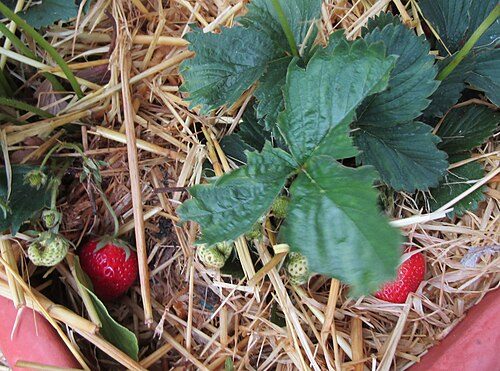
Garden Strawberry Fragaria × ananassa
“The Sweet Little Runaway”
Sends out runners like it's planning an escape.
🐱 Non-toxic 🐶 Non-toxic 🧺 Grows fruit
Light part sun, full sun Water When the top inch dries (~weekly) Where Outdoor Winter Winter-hardy — stays outside year-round (to −34 °C) Difficulty Easy · ~10 min/week · 💰 The science behind this match Happy in pots, hanging baskets or a bed. Beginner-friendly — you just have to beat the slugs to the fruit.
Photo: Kolforn, CC BY-SA 4.0 , via Wikimedia Commons
Pet safety sources
Cats: non-toxic — ASPCA
Dogs: non-toxic — ASPCA
Find my match OHWiki (Wikivoyage) · Public domain
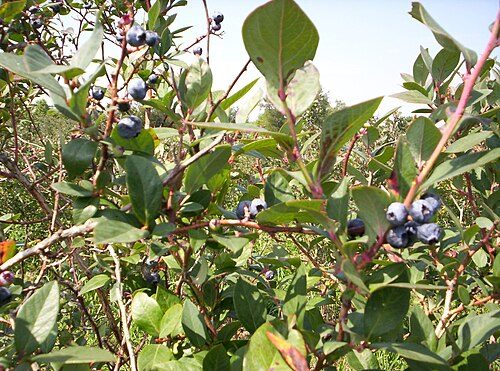
Highbush Blueberry Vaccinium corymbosum
“The Picky Acid Lover”
Only eats acidic soil. Don't ask.
🐱 ⚠️ Unverified 🐶 ⚠️ Unverified 🧺 Grows fruit
Light part sun, full sun Water Keep evenly moist (frequent) Where Outdoor Winter Winter-hardy — stays outside year-round (to −34 °C) Difficulty Moderate · ~10 min/week · 💰💰 The science behind this match Needs ericaceous compost and rainwater, but rewards you with blossom, berries and fiery autumn leaves.
Photo: OHWiki (Wikivoyage), Public domain , via Wikimedia Commons
Pet safety sources
Cats: not verified. Not listed by the ASPCA.
Dogs: not verified. Not listed by the ASPCA.
Find my match George Chernilevsky · CC BY 4.0
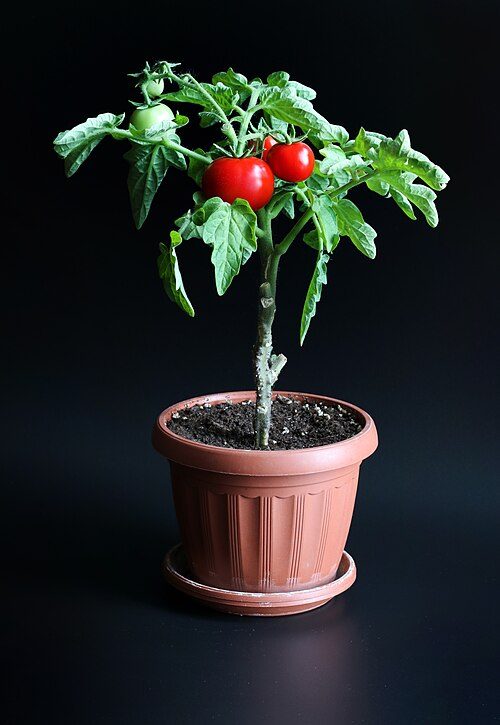
Cherry Tomato Solanum lycopersicum (syn. Lycopersicon esculentum)
“The Needy Summer Fling”
Wants sun, a stake, food and daily water. Worth it.
🐱 Toxic 🐶 Toxic 🧺 Vegetable
Light full sun Water Keep evenly moist (frequent) Where Outdoor (summer annual) Difficulty Moderate · ~20 min/week · 💰 The science behind this match The gateway vegetable. Give it your sunniest spot and a cane to lean on, and it pays you in tiny red sweets all summer.
Photo: George Chernilevsky, CC BY 4.0 , via Wikimedia Commons
Pet safety sources
Cats: toxic — ASPCA
Dogs: toxic — ASPCA
Find my match Kolforn · CC BY-SA 4.0
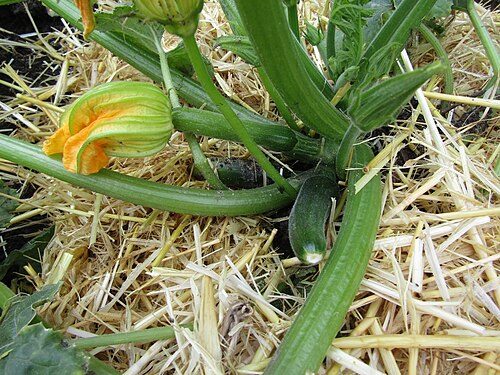
Zucchini (Courgette) Cucurbita pepo
“The Overproductive Coworker”
One plant. Forty zucchini. No mercy.
🐱 Non-toxic 🐶 Non-toxic 🧺 Vegetable
Light full sun Water Keep evenly moist (frequent) Where Outdoor (summer annual) Difficulty Easy · ~15 min/week · 💰 The science behind this match Easy, enormous and alarmingly productive. Look away for a weekend and a courgette becomes a marrow.
Photo: Kolforn, CC BY-SA 4.0 , via Wikimedia Commons
Pet safety sources
Cats: non-toxic — ASPCA
Dogs: non-toxic — ASPCA
Find my match Forest and Kim Starr · CC BY 3.0 US
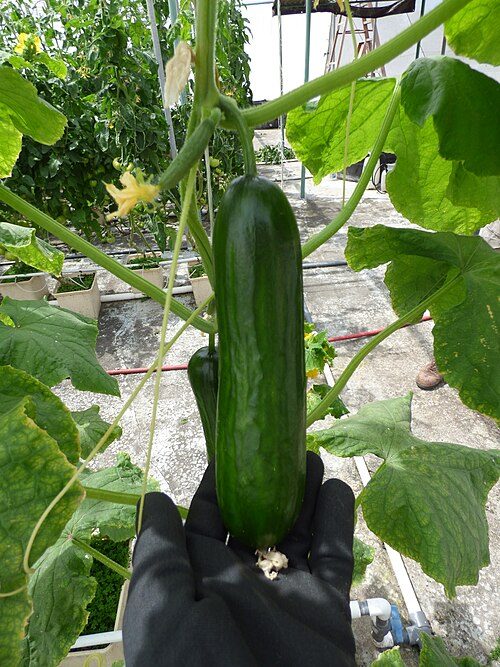
Cucumber Cucumis sativus
“The Cool Climber”
Climbs anything. Drinks everything.
🐱 Non-toxic 🐶 Non-toxic 🧺 Vegetable
Light full sun Water Keep evenly moist (frequent) Where Outdoor (summer annual) Difficulty Moderate · ~15 min/week · 💰 The science behind this match Give it a trellis, warmth and steady water and it cranks out crunchy cucumbers. Let it dry out and they turn bitter — just like it.
Photo: Forest and Kim Starr, CC BY 3.0 US , via Wikimedia Commons
Pet safety sources
Cats: non-toxic — ASPCA
Dogs: non-toxic — ASPCA
Find my match Stephen Ausmus · Public domain
Carrot Daucus carota subsp. sativus
“The Shy Underground Achiever”
Does all its best work out of sight.
🐱 Non-toxic 🐶 Non-toxic 🧺 Vegetable
Light part sun, full sun Water When the top inch dries (~weekly) Where Outdoor (summer annual) Difficulty Easy · ~8 min/week · 💰 The science behind this match Sow, thin, wait. A deep pot on a balcony works fine. The dog will absolutely try to dig them up.
Photo: Stephen Ausmus, Public domain , via Wikimedia Commons
Pet safety sources
Cats: non-toxic — ASPCA
Dogs: non-toxic — ASPCA
Find my match Evan-Amos · CC0
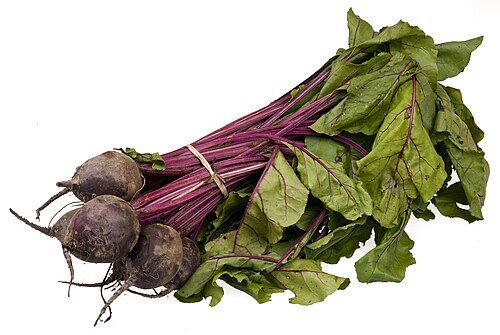
Beetroot Beta vulgaris (beetroot)
“The Dramatic Blusher”
Stains your chopping board, steals your heart.
🐱 Non-toxic 🐶 Non-toxic 🧺 Vegetable
Light part sun, full sun Water When the top inch dries (~weekly) Where Outdoor (summer annual) Difficulty Easy · ~6 min/week · 💰 The science behind this match Fast, forgiving and fine in part sun. Eat the roots, eat the leaves — zero waste, maximum magenta.
Photo: Evan-Amos, CC0 , via Wikimedia Commons
Pet safety sources
Cats: non-toxic — ASPCA
Dogs: non-toxic — ASPCA
Find my match DeFacto · CC BY-SA 4.0
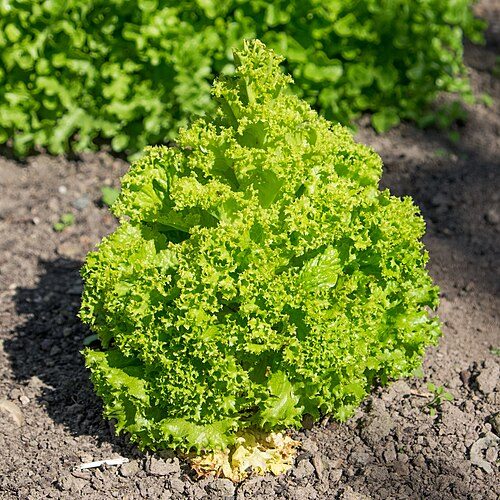
Lettuce Lactuca sativa
“The Cool-Weather Chill Pill”
Bolts at the first sign of a heatwave.
🐱 ⚠️ Unverified 🐶 ⚠️ Unverified 🧺 Vegetable
Light part shade, part sun Water Keep evenly moist (frequent) Where Outdoor (summer annual) Difficulty Easy · ~8 min/week · 💰 The science behind this match Happy in part shade and window boxes. Pick the outer leaves and it keeps growing — a salad bar that refills itself.
Photo: DeFacto, CC BY-SA 4.0 , via Wikimedia Commons
Pet safety sources
Cats: not verified. Not listed by the ASPCA.
Dogs: not verified. Not listed by the ASPCA.
Find my match PierreSelim · CC BY 3.0
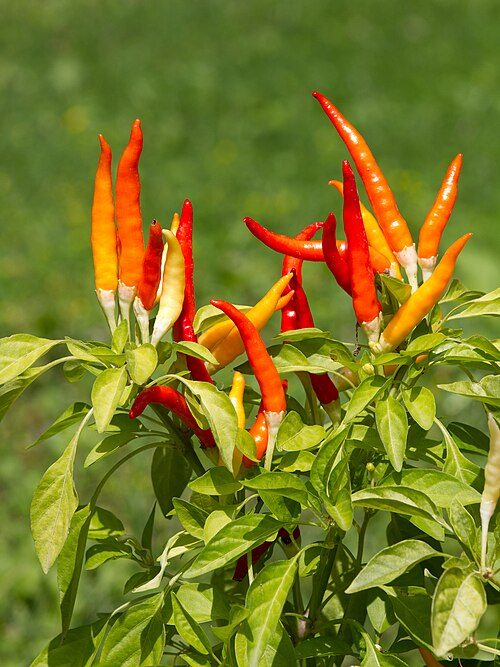
Chilli Pepper Capsicum annuum
“The Spicy Windowsill Hothead”
Small plant, big attitude, bigger heat.
🐱 ⚠️ Unverified 🐶 ⚠️ Unverified 🧺 Vegetable
Light bright indirect light, direct sun Water When the top inch dries (~weekly) Where Indoor, or outdoor Winter Frost-sensitive — bring indoors when nights drop below +1 °C Difficulty Moderate · ~8 min/week · 💰 The science behind this match Loves a sunny windowsill or a hot patio. Water when the top dries out and it fires off chillies for months.
Photo: PierreSelim, CC BY 3.0 , via Wikimedia Commons
Pet safety sources
Cats: not verified. Not listed by the ASPCA (its “ornamental pepper” is Jerusalem cherry, a different plant).
Dogs: not verified. Not listed by the ASPCA (its “ornamental pepper” is Jerusalem cherry, a different plant).
Find my match Christian Ries · CC BY-SA 3.0
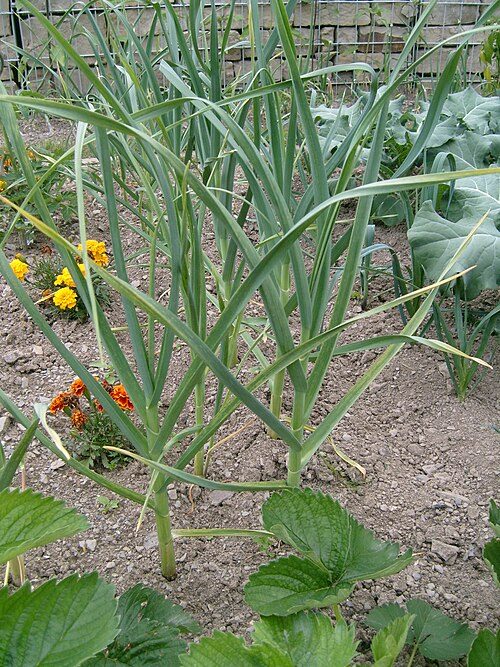
Garlic Allium sativum
“The Vampire's Nightmare”
Plant in autumn, forget till summer.
🐱 Toxic 🐶 Toxic 🧺 Vegetable
Light full sun Water Drought-tolerant (every 2–4 weeks) Where Outdoor Winter Winter-hardy — stays outside year-round (to −40 °C) Difficulty Easy · ~2 min/week · 💰 The science behind this match Push cloves into the soil, walk away for eight months, come back to a harvest. Peak plant-killer vegetable.
Photo: Christian Ries, CC BY-SA 3.0 , via Wikimedia Commons
Pet safety sources
Cats: toxic — ASPCA
Dogs: toxic — ASPCA
Find my match DeFacto · CC BY-SA 4.0
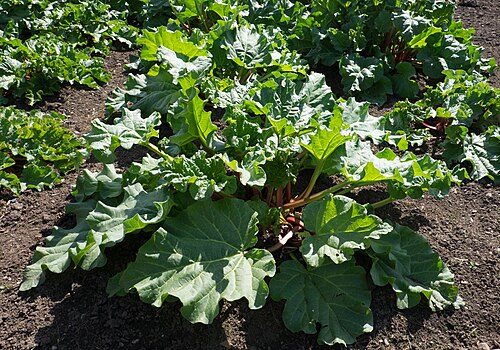
Rhubarb Rheum × hybridum (syn. R. rhabarbarum)
“The Grumpy Pie Maker”
Comes back every spring, bigger and crankier.
🐱 Toxic 🐶 Toxic 🧺 Vegetable
Light part shade, part sun, full sun Water When the top inch dries (~weekly) Where Outdoor Winter Winter-hardy — stays outside year-round (to −40 °C) Difficulty Easy · ~5 min/week · 💰💰 The science behind this match Loves cold winters and tolerates a bit of shade. Eat the stalks, never the leaves — this one has a dark side.
Photo: DeFacto, CC BY-SA 4.0 , via Wikimedia Commons
Pet safety sources
Cats: toxic — ASPCA
Dogs: toxic — ASPCA
Find my match Netha Hussain · CC BY-SA 4.0
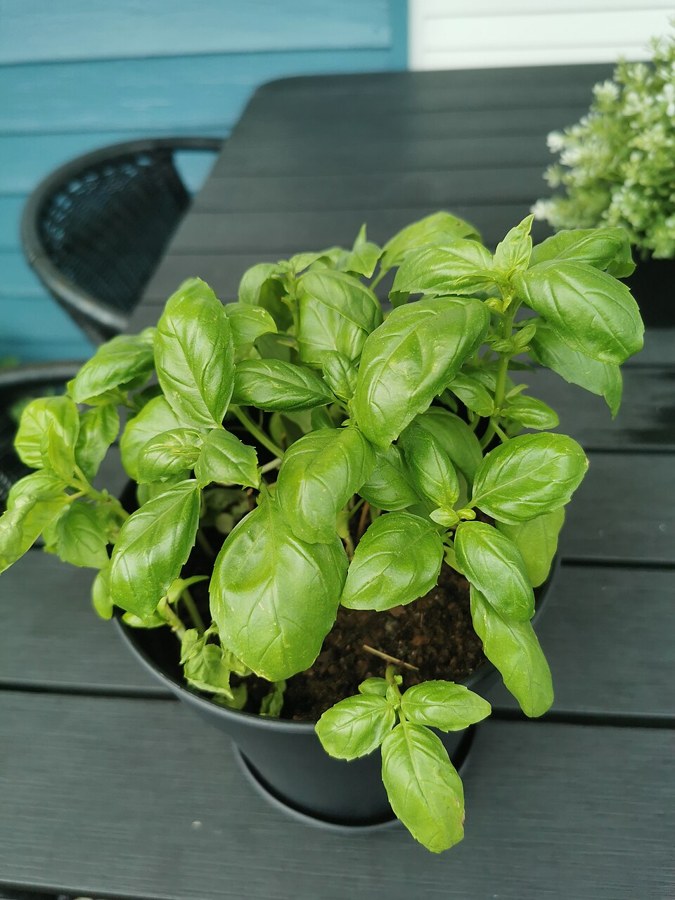
Sweet Basil Ocimum basilicum
“The Pesto Prima Donna”
Turns sunlight into pesto. Requires applause.
🐱 Non-toxic 🐶 Non-toxic 🌿 Herb
Light direct sun Water Keep evenly moist (frequent) Where Indoor, or outdoor (summer annual) Difficulty Easy · ~10 min/week · 💰 The science behind this match Give it a sunny window or warm summer pot, keep the compost evenly moist, and pinch out flowers. A cold draught is its villain origin story.
Photo: Netha Hussain, CC BY-SA 4.0 , via Wikimedia Commons
Pet safety sources
Cats: non-toxic — ASPCA
Dogs: non-toxic — ASPCA
Find my match TheTechnician27 · CC0
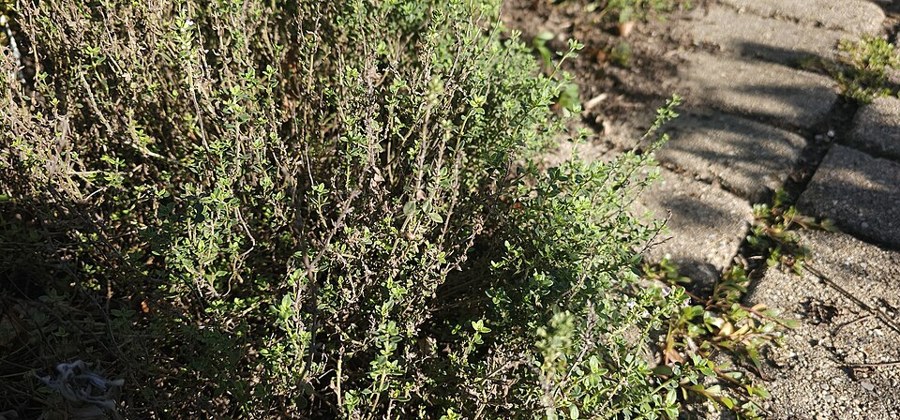
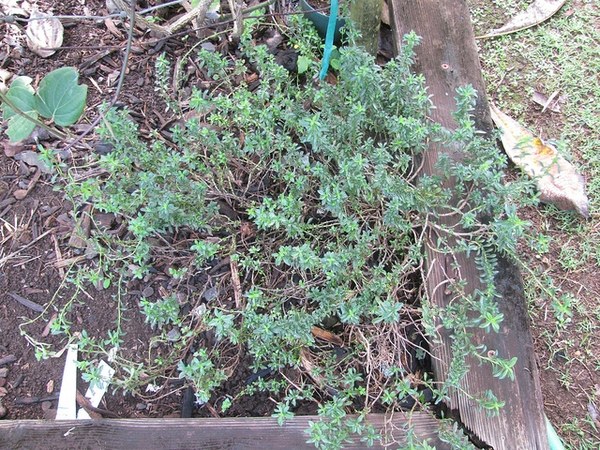
Common Thyme Thymus vulgaris
“The Tiny Time Saver”
Small leaves. Big dinner energy.
🐱 Non-toxic 🐶 Non-toxic 🌿 Herb
Light full sun Water Drought-tolerant (every 2–4 weeks) Where Outdoor Winter Winter-hardy — stays outside year-round (to −29 °C) Difficulty Easy · ~3 min/week · 💰 The science behind this match A compact sun-lover for pots and beds. Prefers gritty, well-drained soil and a little drying between drinks. Will season your soup without demanding a committee meeting.
Photo: TheTechnician27, CC0 , via Wikimedia Commons
Pet safety sources
Cats: non-toxic — ASPCA
Dogs: non-toxic — ASPCA
Find my match Syrio · CC BY-SA 4.0
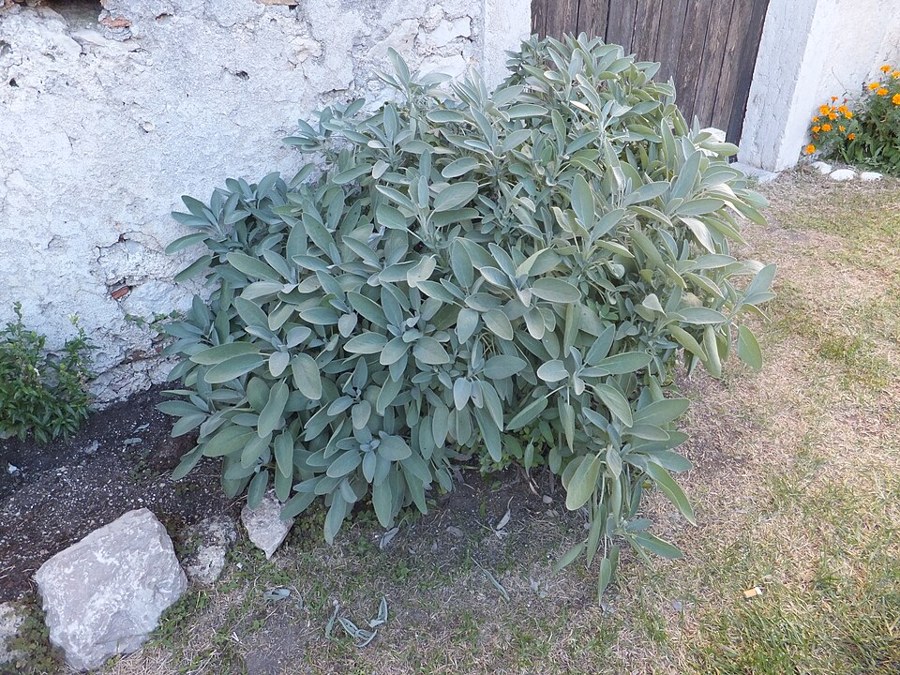
Common Sage Salvia officinalis
“The Wise Dinner Guest”
Velvet leaves, excellent stuffing advice.
🐱 Non-toxic 🐶 Non-toxic 🌿 Herb
Light full sun Water Drought-tolerant (every 2–4 weeks) Where Outdoor Winter Winter-hardy — stays outside year-round (to −34 °C) Difficulty Easy · ~5 min/week · 💰 The science behind this match Happy in a sunny pot or well-drained bed. Let the soil dry a little, trim after flowering, and never invite soggy roots to dinner.
Photo: Syrio, CC BY-SA 4.0 , via Wikimedia Commons
Pet safety sources
Cats: non-toxic — ASPCA
Dogs: non-toxic — ASPCA
Find my match Forest and Kim Starr · CC BY 3.0 us
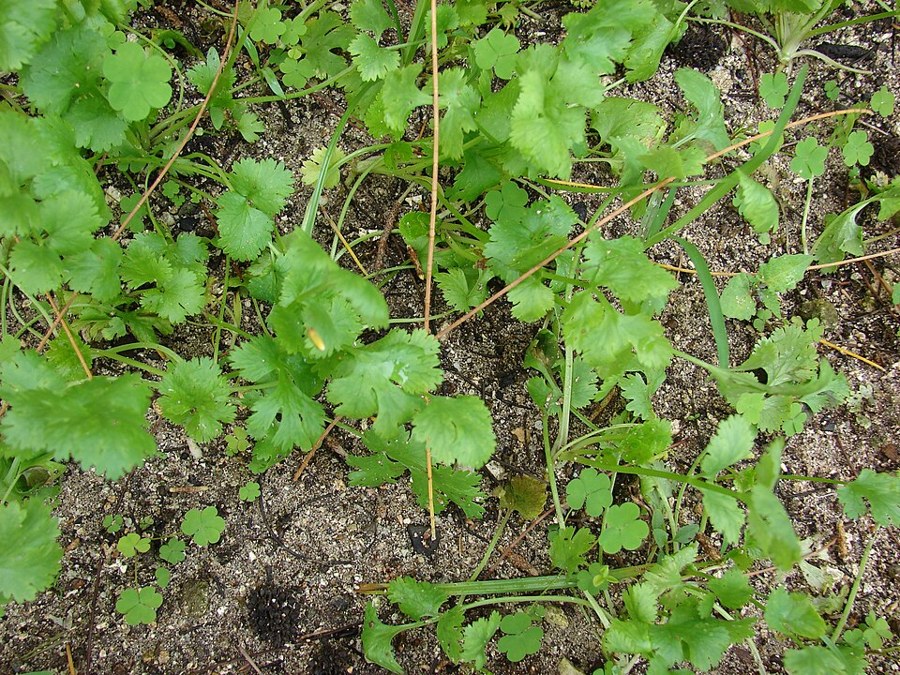
Coriander (Cilantro) Coriandrum sativum
“The Polarising Salad Guest”
Delicious to some. Soap opera to others.
🐱 Non-toxic 🐶 Non-toxic 🌿 Herb
Light bright indirect light, direct sun Water When the top inch dries (~weekly) Where Indoor, or outdoor (summer annual) Difficulty Moderate · ~8 min/week · 💰 The science behind this match Likes a bright window or cool-season outdoor pot. Water when the surface dries and sow little batches for fresh leaves. Summer heat sends it straight into its flowering era.
Photo: Forest and Kim Starr, CC BY 3.0 us , via Wikimedia Commons
Pet safety sources
Cats: non-toxic — ASPCA
Dogs: non-toxic — ASPCA
Find my match Forest & Kim Starr · CC BY 3.0
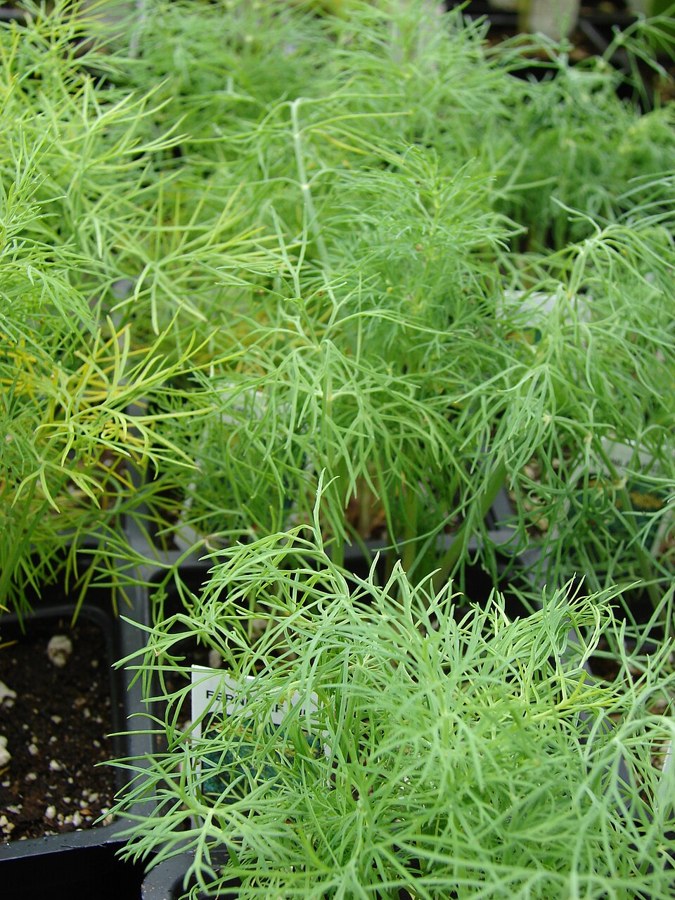
Dill Anethum graveolens
“The Feathery Pickle Partner”
Fluffy hair. Serious pickle ambitions.
🐱 Non-toxic 🐶 Non-toxic 🌿 Herb
Light full sun Water When the top inch dries (~weekly) Where Outdoor (summer annual) Difficulty Easy · ~8 min/week · 💰 The science behind this match Sow straight into a deep pot or sunny bed; it dislikes moving house. Keep soil from drying completely and shelter those tall, feathery stems from gusts.
Photo: Forest & Kim Starr, CC BY 3.0 , via Wikimedia Commons
Pet safety sources
Cats: non-toxic — ASPCA . ASPCA's dill record spells the botanical name Anethum graveolena; prolonged contact may cause dermatitis.
Dogs: non-toxic — ASPCA . ASPCA's dill record spells the botanical name Anethum graveolena; prolonged contact may cause dermatitis.
Find my match Aisha.shipanga · CC BY-SA 4.0
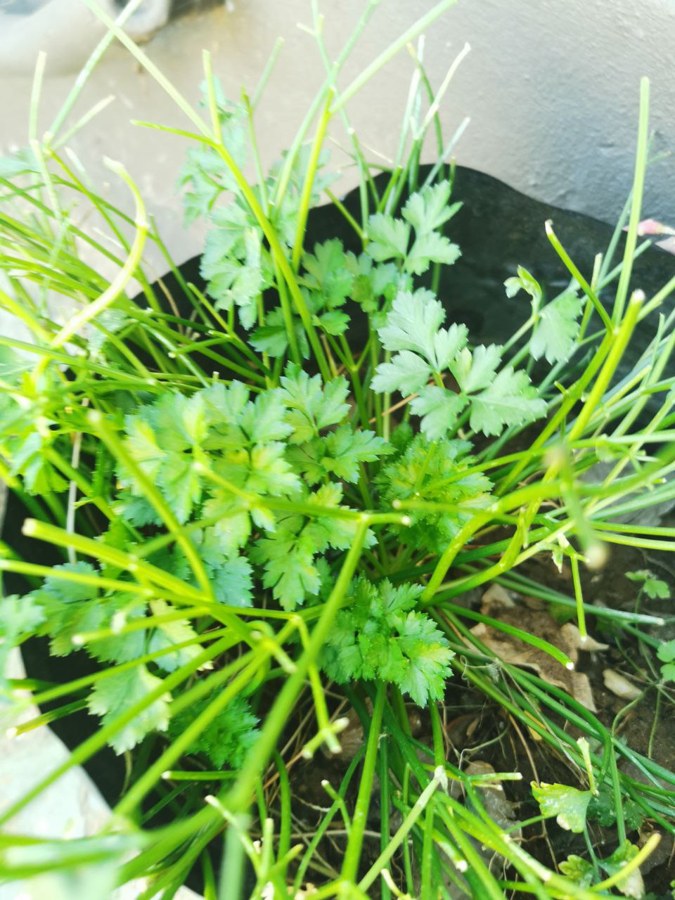
Parsley Petroselinum crispum
“The Garnish Overachiever”
Refuses to be just a garnish.
🐱 Toxic 🐶 Toxic 🌿 Herb
Light bright indirect light, direct sun Water When the top inch dries (~weekly) Where Indoor, or outdoor Winter Winter-hardy — stays outside year-round (to −29 °C) Difficulty Easy · ~6 min/week · 💰 The science behind this match A compact biennial for bright windows and outdoor pots. Give it deep compost, water when the top dries, and pick outer stems. Edible for people, but not a pet snack.
Photo: Aisha.shipanga, CC BY-SA 4.0 , via Wikimedia Commons
Pet safety sources
Cats: toxic — ASPCA
Dogs: toxic — ASPCA
Find my match Photo by David J. Stang · CC BY-SA 4.0
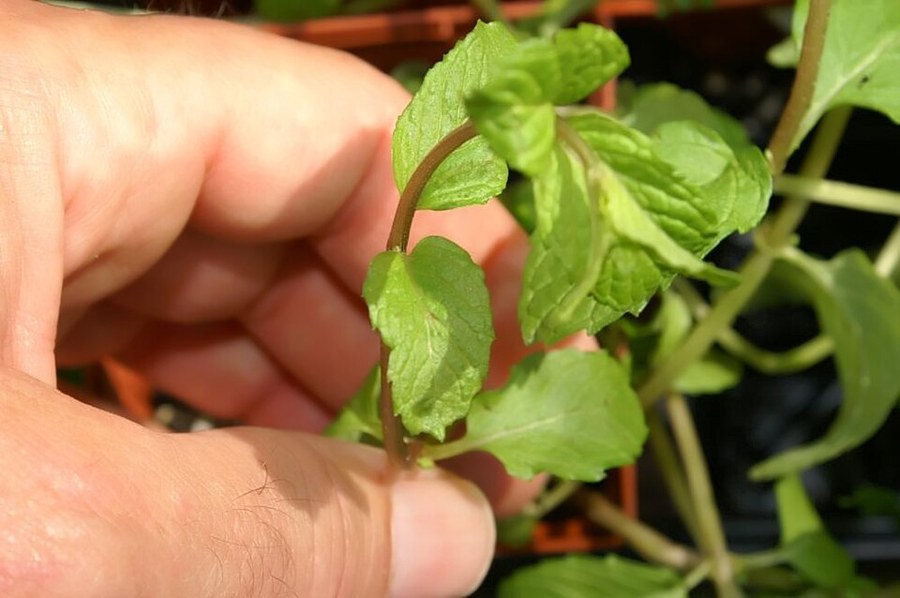
Spearmint Mentha spicata
“The Refreshing Space Invader”
Freshens your tea. Colonises your garden.
🐱 Toxic 🐶 Toxic 🌿 Herb
Light bright indirect light, direct sun Water Keep evenly moist (frequent) Where Indoor, or outdoor Winter Winter-hardy — stays outside year-round (to −40 °C) Difficulty Easy · ~8 min/week · 💰 The science behind this match Keep it in its own pot unless you want mint to become your entire personality. Likes steady moisture and bright light. The ASPCA's Mentha record includes this species: keep it away from pets.
Photo: Photo by David J. Stang, CC BY-SA 4.0 , via Wikimedia Commons
Pet safety sources
Cats: toxic — ASPCA
Dogs: toxic — ASPCA
Find my match JarroNevsbaru · CC BY 4.0
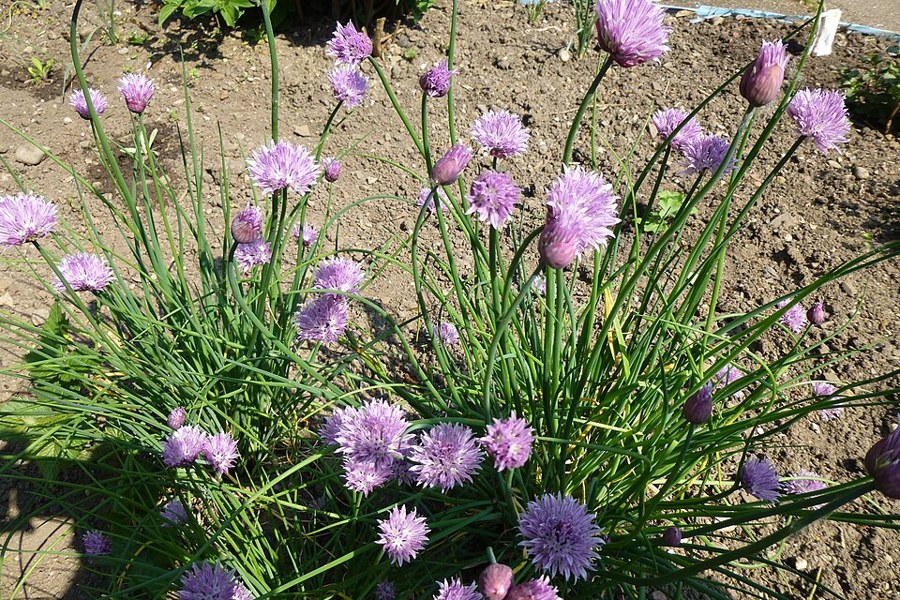
Chives Allium schoenoprasum
“The Snip-and-Come-Again Crew”
Gets a haircut. Improves your potatoes.
🐱 Toxic 🐶 Toxic 🌿 Herb
Light bright indirect light, direct sun Water When the top inch dries (~weekly) Where Indoor, or outdoor Winter Winter-hardy — stays outside year-round (to −40 °C) Difficulty Easy · ~5 min/week · 💰 The science behind this match A small clump for a bright window, balcony pot or bed. Water when the top dries and cut leaves near the base. Pretty purple flowers, but this onion relative is toxic to cats and dogs.
Photo: JarroNevsbaru, CC BY 4.0 , via Wikimedia Commons
Pet safety sources
Cats: toxic — ASPCA
Dogs: toxic — ASPCA
Find my match Forest & Kim Starr · CC BY 3.0
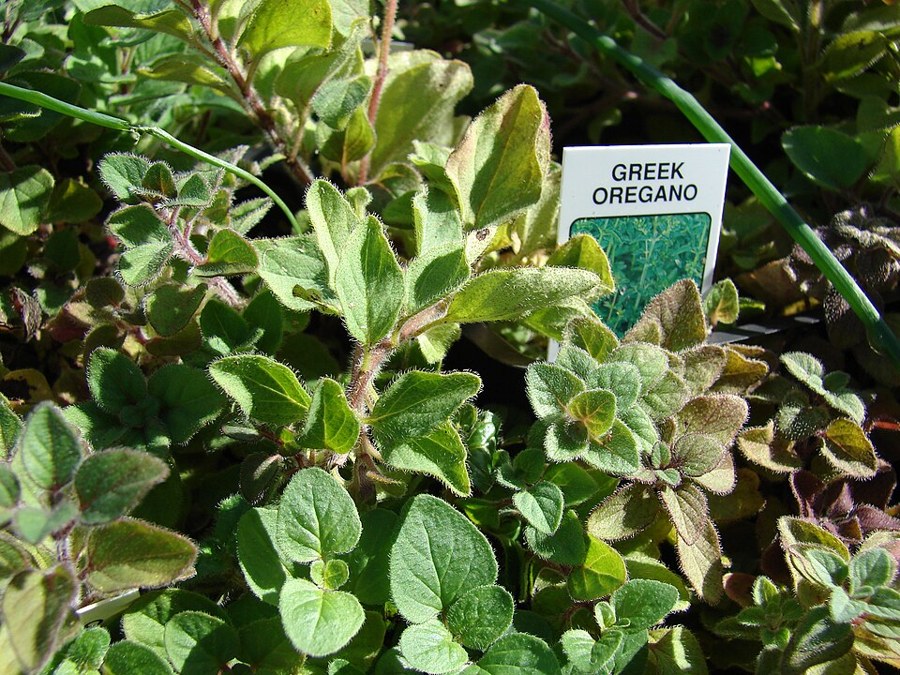
Greek Oregano Origanum vulgare subsp. hirtum
“The Pizza Purist”
Has strong opinions about your pizza.
🐱 Toxic 🐶 Toxic 🌿 Herb
Light full sun Water Drought-tolerant (every 2–4 weeks) Where Outdoor Winter Winter-hardy — stays outside year-round (to −29 °C) Difficulty Easy · ~3 min/week · 💰 The science behind this match Give it full sun and free-draining soil in a pot or bed. Let it dry a little between drinks, then snip for the kitchen. Delicious for humans, unsuitable for pet-accessible gardens.
Photo: Forest & Kim Starr, CC BY 3.0 , via Wikimedia Commons
Pet safety sources
Cats: toxic — ASPCA
Dogs: toxic — ASPCA
Find my match 3dman_eu · CC0
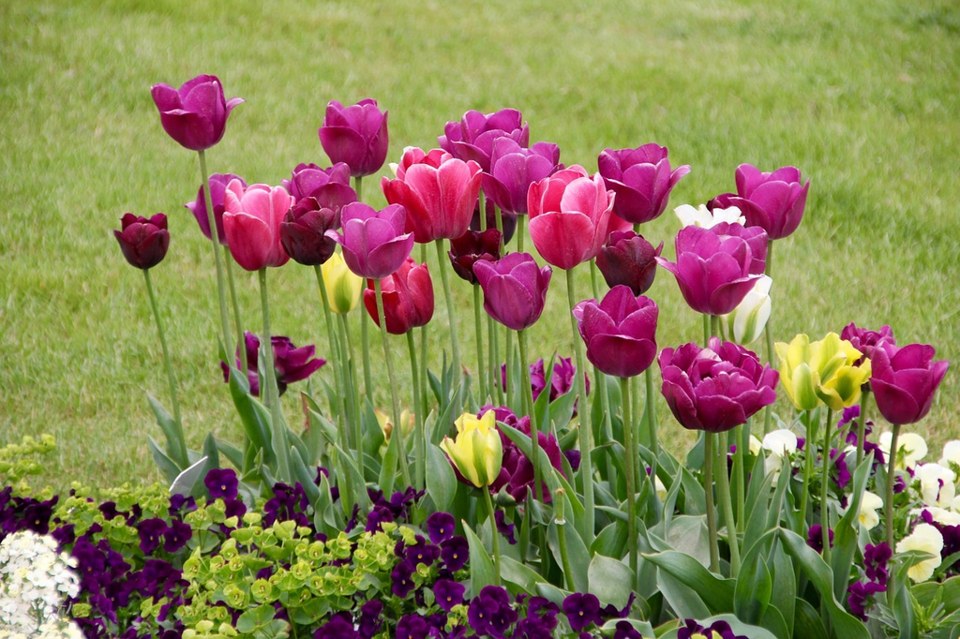
Garden Tulip Tulipa gesneriana
“The Spring Fashion Week”
Changes outfits once a year. Makes it count.
🐱 Toxic 🐶 Toxic 🌷 Bulb
Light full sun Water When the top inch dries (~weekly) Where Outdoor Winter Winter-hardy — stays outside year-round (to −40 °C) Difficulty Easy · ~4 min/week · 💰 The science behind this match Plant in autumn in freely draining soil. Needs winter chilling; leave foliage until yellow after flowering.
Photo: 3dman_eu, CC0 , via NC State Extension
Growing reference: NC State Extension
Pet safety sources
Cats: toxic — ASPCA
Dogs: toxic — ASPCA
Find my match Meneekre bloem · CC BY-SA 3.0
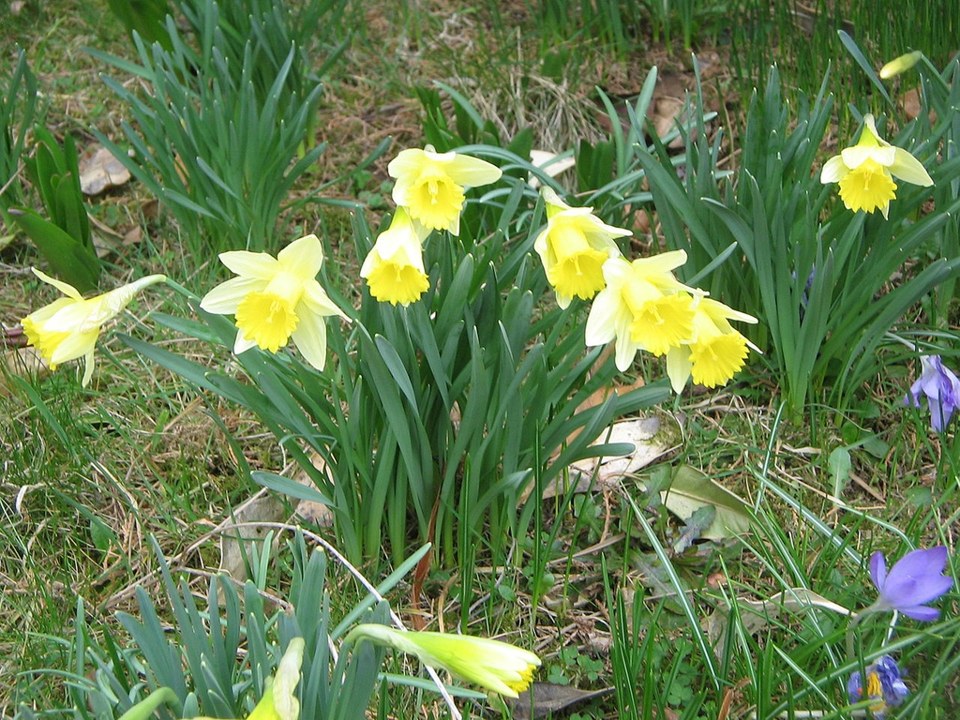
Wild Daffodil Narcissus pseudonarcissus
“The Trumpet Soloist”
Announces spring without checking your calendar.
🐱 Toxic 🐶 Toxic 🌷 Bulb
Light part shade, part sun, full sun Water When the top inch dries (~weekly) Where Outdoor Winter Winter-hardy — stays outside year-round (to −34 °C) Difficulty Easy · ~4 min/week · 💰 The science behind this match Plant in autumn; keep moist during active growth, then allow summer dormancy. Leave leaves to yellow naturally.
Photo: Meneekre bloem, CC BY-SA 3.0 , via NC State Extension
Growing reference: NC State Extension
Pet safety sources
Cats: toxic — ASPCA
Dogs: toxic — ASPCA
Find my match Uoasi1 · CC BY-SA 3.0
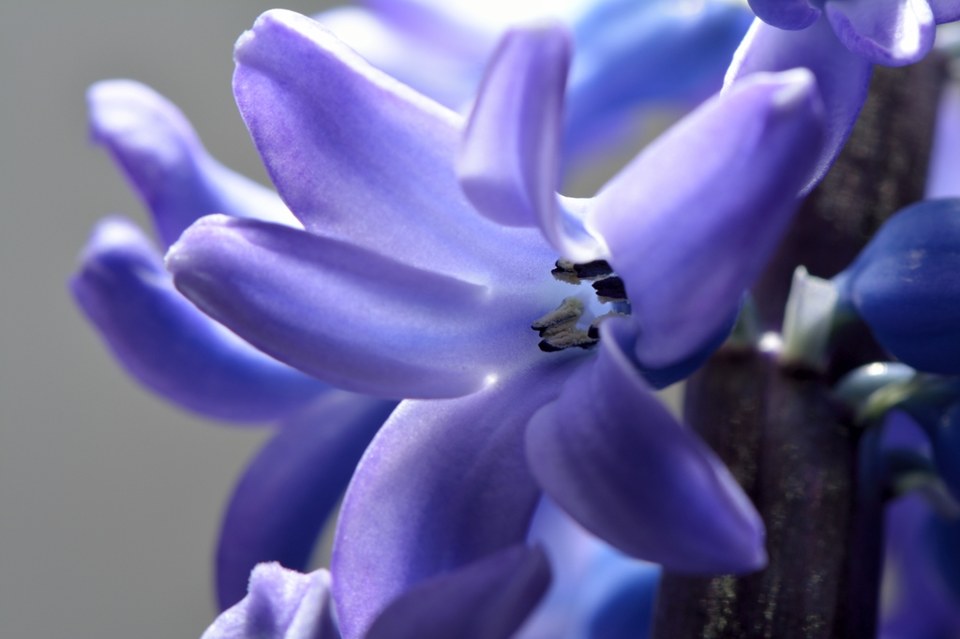
Garden Hyacinth Hyacinthus orientalis
“The Perfumed Extrovert”
One flower spike. Entire room knows.
🐱 Toxic 🐶 Toxic 🌷 Bulb
Light part shade, part sun, full sun Water When the top inch dries (~weekly) Where Outdoor Winter Winter-hardy — stays outside year-round (to −34 °C) Difficulty Moderate · ~6 min/week · 💰 The science behind this match Plant in autumn in well-drained soil. Needs winter chilling; water during active growth, reduce after foliage dies back. Bulbs can irritate skin.
Photo: Uoasi1, CC BY-SA 3.0 , via NC State Extension
Growing reference: NC State Extension
Pet safety sources
Cats: toxic — ASPCA
Dogs: toxic — ASPCA
Find my match Bff · CC BY-SA 4.0
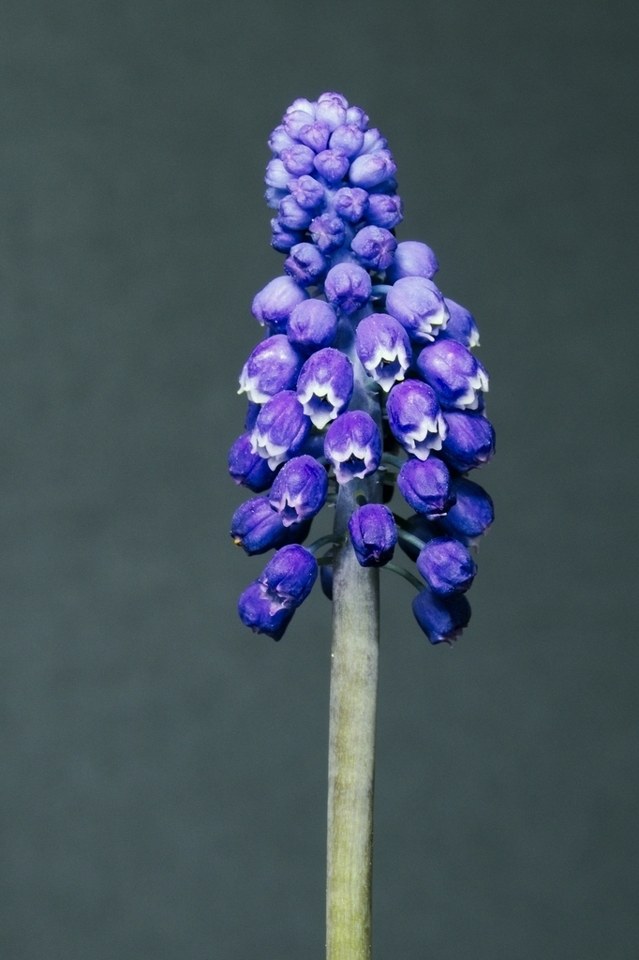
Grape Hyacinth Muscari armeniacum
“The Tiny Purple Crowd”
Turns up with twenty friends.
🐱 Non-toxic 🐶 Non-toxic 🌷 Bulb
Light part shade, part sun, full sun Water When the top inch dries (~weekly) Where Outdoor Winter Winter-hardy — stays outside year-round (to −34 °C) Difficulty Easy · ~4 min/week · 💰 The science behind this match Plant in autumn in well-drained soil. Water during spring growth, allow summer dormancy, and divide crowded clumps. Non-toxic does not mean edible.
Photo: Bff, CC BY-SA 4.0 , via NC State Extension
Growing reference: NC State Extension
Pet safety sources
Cats: non-toxic — ASPCA
Dogs: non-toxic — ASPCA
Find my match André Karwath · CC0
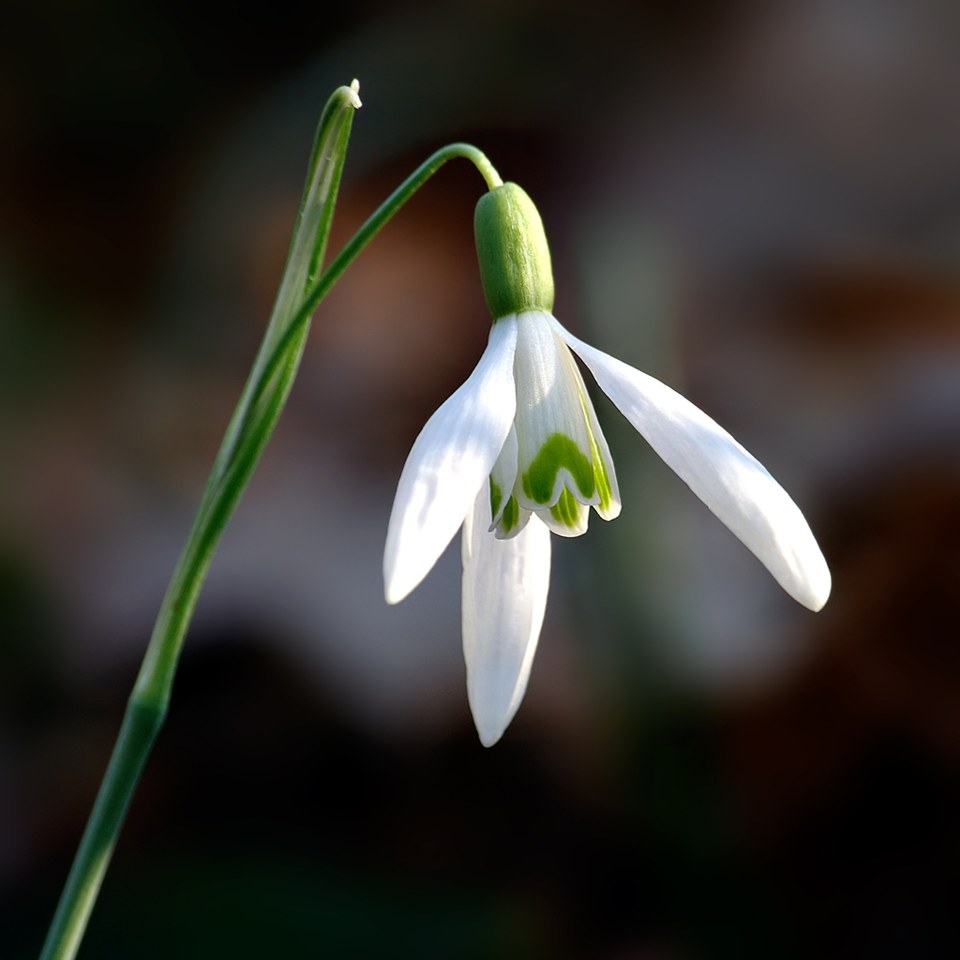
Common Snowdrop Galanthus nivalis
“The Winter Gatecrasher”
Blooms before spring sends the invitations.
🐱 ⚠️ Unverified 🐶 ⚠️ Unverified 🌷 Bulb
Light part shade, part sun, full sun Water When the top inch dries (~weekly) Where Outdoor Winter Winter-hardy — stays outside year-round (to −40 °C) Difficulty Easy · ~4 min/week · 💰 The science behind this match Prefers humus-rich, moist but drained soil. Divide in the green after flowering; do not cut foliage before it yellows.
Photo: André Karwath, CC0 , via NC State Extension
Growing reference: NC State Extension
Pet safety sources
Cats: not verified. Species-specific cat/dog toxicity has not been verified by a veterinary source; excluded for owners of this animal.
Dogs: not verified. Species-specific cat/dog toxicity has not been verified by a veterinary source; excluded for owners of this animal.
Find my match JC Raulston Arboretum · CC BY 2.0
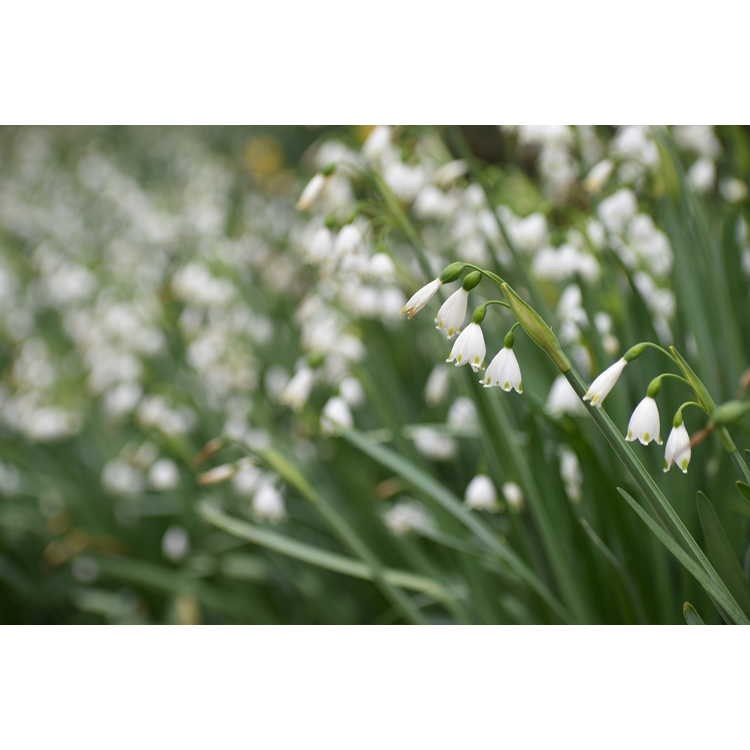
Summer Snowflake Leucojum aestivum
“The Polka-Dot Bell Choir”
White bells. Green freckles. Excellent timing.
🐱 ⚠️ Unverified 🐶 ⚠️ Unverified 🌷 Bulb
Light part shade, part sun, full sun Water Keep evenly moist (frequent) Where Outdoor Winter Winter-hardy — stays outside year-round (to −34 °C) Difficulty Easy · ~6 min/week · 💰💰 The science behind this match Despite its name it flowers in spring. Keep soil moist during active growth; it tolerates wetter sites. Let foliage die back naturally.
Photo: JC Raulston Arboretum, CC BY 2.0 , via NC State Extension
Growing reference: NC State Extension
Pet safety sources
Cats: not verified. Species-specific cat/dog toxicity has not been verified by a veterinary source; excluded for owners of this animal.
Dogs: not verified. Species-specific cat/dog toxicity has not been verified by a veterinary source; excluded for owners of this animal.
Find my match Stacy Hodes · CC BY 4.0
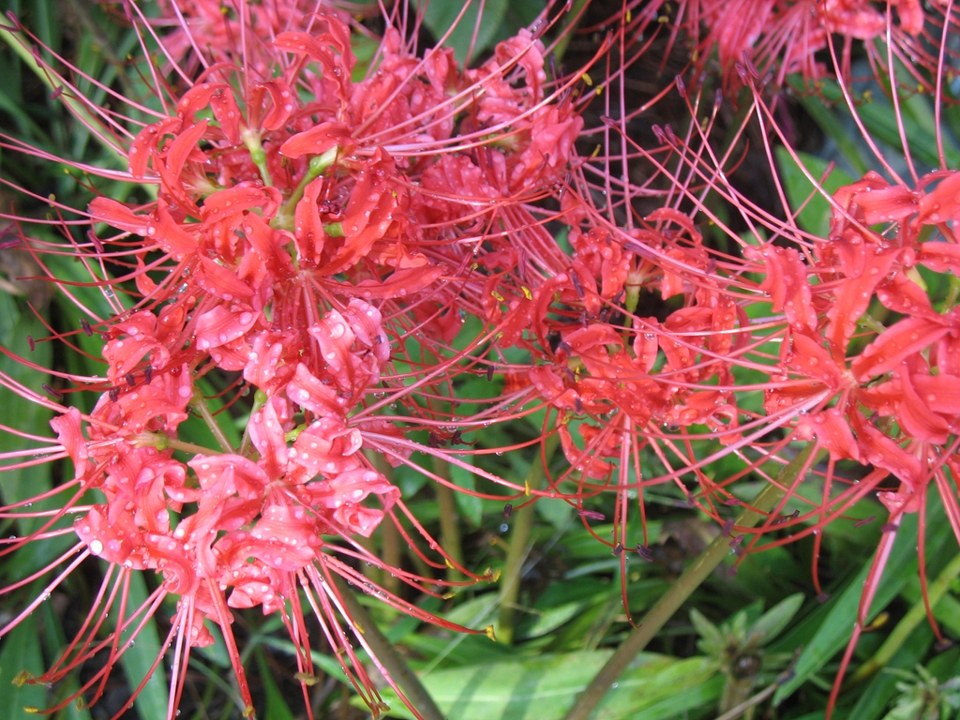
Red Spider Lily Lycoris radiata
“The Autumn Firework”
Waits for everyone else to finish, then performs.
🐱 ⚠️ Unverified 🐶 ⚠️ Unverified 🌷 Bulb
Light part shade, part sun, full sun Water When the top inch dries (~weekly) Where Outdoor Winter Winter-hardy — stays outside year-round (to −23 °C) Difficulty Moderate · ~8 min/week · 💰💰 The science behind this match Plant with the bulb neck near the surface in drained soil. Avoid disturbing established clumps; summer dormancy precedes autumn flowering.
Photo: Stacy Hodes, CC BY 4.0 , via NC State Extension
Growing reference: NC State Extension
Pet safety sources
Cats: not verified. Species-specific cat/dog toxicity has not been verified by a veterinary source; excluded for owners of this animal.
Dogs: not verified. Species-specific cat/dog toxicity has not been verified by a veterinary source; excluded for owners of this animal.
Find my match gailhampshire · CC BY 2.0
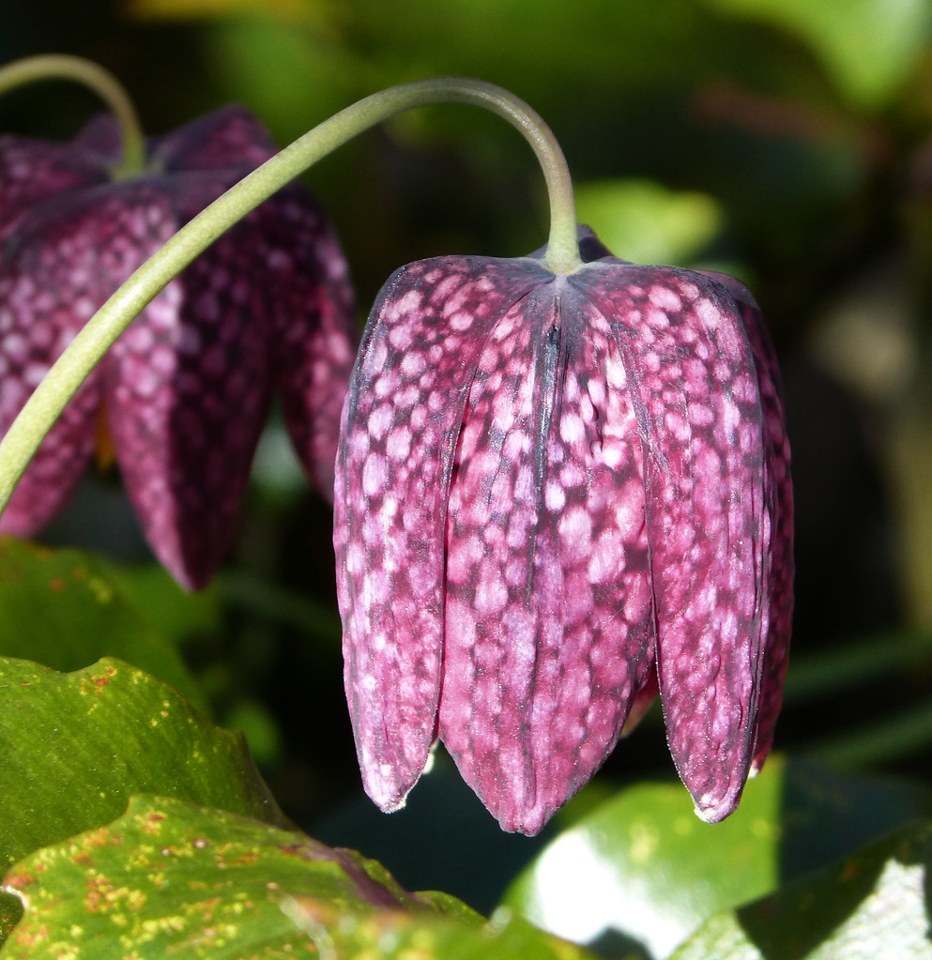
Snake’s Head Fritillary Fritillaria meleagris
“The Chequerboard Thinker”
Dresses for chess. Prefers a meadow.
🐱 ⚠️ Unverified 🐶 ⚠️ Unverified 🌷 Bulb
Light part shade, part sun, full sun Water Keep evenly moist (frequent) Where Outdoor Winter Winter-hardy — stays outside year-round (to −40 °C) Difficulty Moderate · ~8 min/week · 💰 The science behind this match Needs reliably moist soil during spring growth; suitable for damp meadow-style planting. Leave foliage until yellow.
Photo: gailhampshire, CC BY 2.0 , via NC State Extension
Growing reference: NC State Extension
Pet safety sources
Cats: not verified. Species-specific cat/dog toxicity has not been verified by a veterinary source; excluded for owners of this animal.
Dogs: not verified. Species-specific cat/dog toxicity has not been verified by a veterinary source; excluded for owners of this animal.
Find my match Kathleen Moore · CC BY 4.0
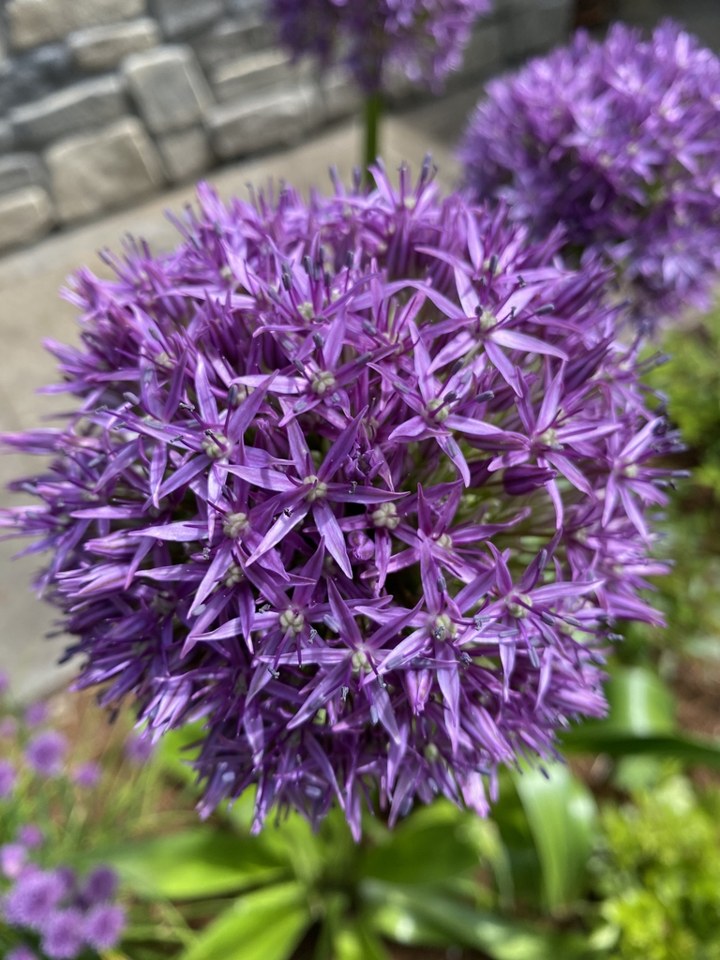
Giant Ornamental Onion Allium giganteum
“The Purple Microphone”
A flower head with main-stage confidence.
🐱 ⚠️ Unverified 🐶 ⚠️ Unverified 🌷 Bulb
Light full sun Water When the top inch dries (~weekly) Where Outdoor Winter Winter-hardy — stays outside year-round (to −34 °C) Difficulty Easy · ~5 min/week · 💰💰 The science behind this match Plant in autumn in well-drained soil. Water during growth; keep dormant bulbs out of soggy soil. Ornamental, not a culinary onion.
Photo: Kathleen Moore, CC BY 4.0 , via NC State Extension
Growing reference: NC State Extension
Pet safety sources
Cats: not verified. Species-specific cat/dog toxicity has not been verified by a veterinary source; excluded for owners of this animal.
Dogs: not verified. Species-specific cat/dog toxicity has not been verified by a veterinary source; excluded for owners of this animal.
Find my match Bernard DUPONT · CC-BY-SA 2.0
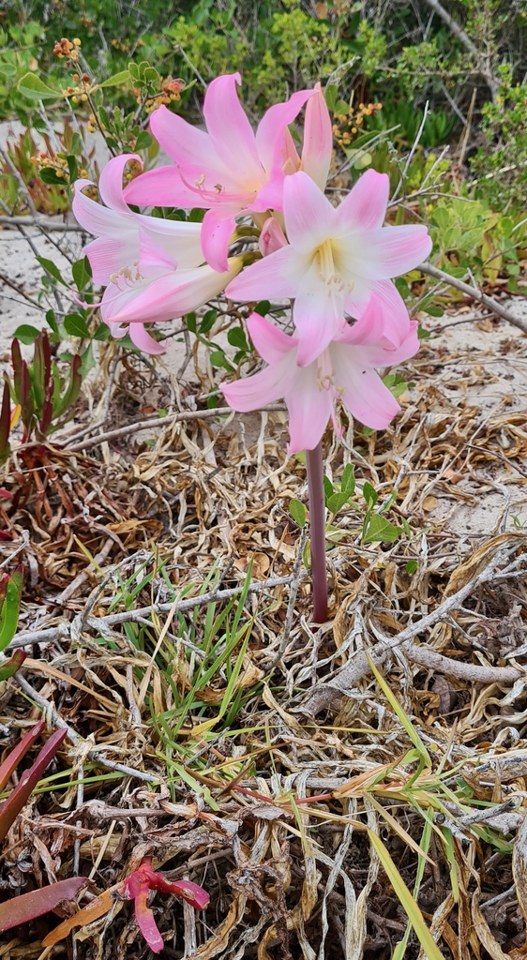
Belladonna Lily Amaryllis belladonna
“The Late-Summer Diva”
Flowers first. Outfit discussion later.
🐱 Toxic 🐶 Toxic 🌷 Bulb
Light full sun Water Drought-tolerant (every 2–4 weeks) Where Outdoor Winter Survives frost to −12 °C — protect with fleece in hard frosts Difficulty Moderate · ~5 min/week · 💰💰 The science behind this match Plant with the bulb neck above well-drained soil in full sun. Drought-tolerant once established; summer dormancy followed by late-season flowers. Below zone 8 lift and store bulbs, not an ordinary summer bedding plant.
Photo: Bernard DUPONT, CC-BY-SA 2.0 , via NC State Extension
Growing reference: NC State Extension
Pet safety sources
Cats: toxic — ASPCA
Dogs: toxic — ASPCA
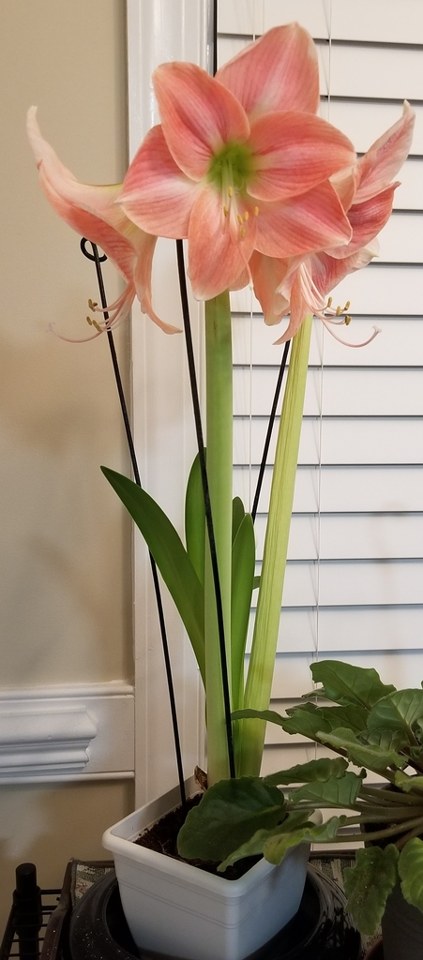
Find my match Cindy Christian · CC BY 4.0
Florist’s Amaryllis Hippeastrum hybrids
“The Windowsill Headliner”
Four trumpets. One pot. Zero modesty.
🐱 Toxic 🐶 Toxic 🌷 Bulb
Light bright indirect light, direct sun Water When the top inch dries (~weekly) Where Indoor, or outdoor Winter Frost-sensitive — bring indoors when nights drop below −5 °C Difficulty Moderate · ~8 min/week · 💰 The science behind this match Keep the top third of the bulb above drained compost. Water sparingly until growth starts, then when the surface dries. Feed while leaves grow; reduce water for dormancy. Hybrids vary in hardiness; zone 9 is a conservative outdoor minimum.
Photo: Cindy Christian, CC BY 4.0 , via NC State Extension
Growing reference: NC State Extension
Pet safety sources
Cats: toxic — ASPCA
Dogs: toxic — ASPCA
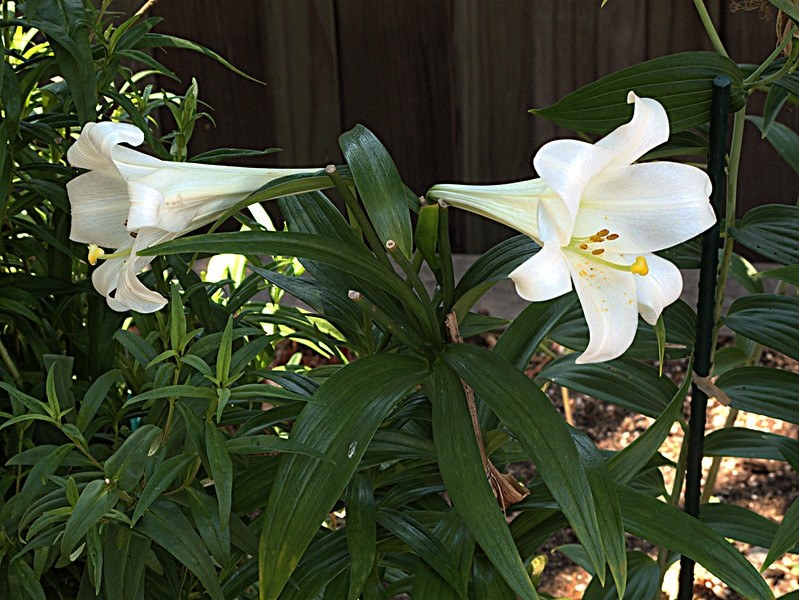
Find my match John Rusk · CC BY 2.0
Easter Lily Lilium longiflorum
“The White-Trumpet Royalty”
Elegant flowers. Strict guest list.
🐱 Toxic 🐶 Non-toxic 🌷 Bulb
Light part shade, part sun, full sun Water When the top inch dries (~weekly) Where Outdoor Winter Winter-hardy — stays outside year-round (to −29 °C) Difficulty Moderate · ~8 min/week · 💰💰 The science behind this match Give drained, moisture-retentive soil and shelter tall stems. Remove spent flowers, retain leaves until yellow. Extremely dangerous to cats, including pollen and vase water; ASPCA lists dogs as non-toxic, but chewing can still upset their stomach.
Photo: John Rusk, CC BY 2.0 , via NC State Extension
Growing reference: NC State Extension
Pet safety sources
Cats: toxic — ASPCA . Cats: even pollen or vase water can cause fatal kidney failure.
Dogs: non-toxic — ASPCA . ASPCA lists non-toxic to dogs; ingestion may still cause stomach upset or a bulb obstruction.
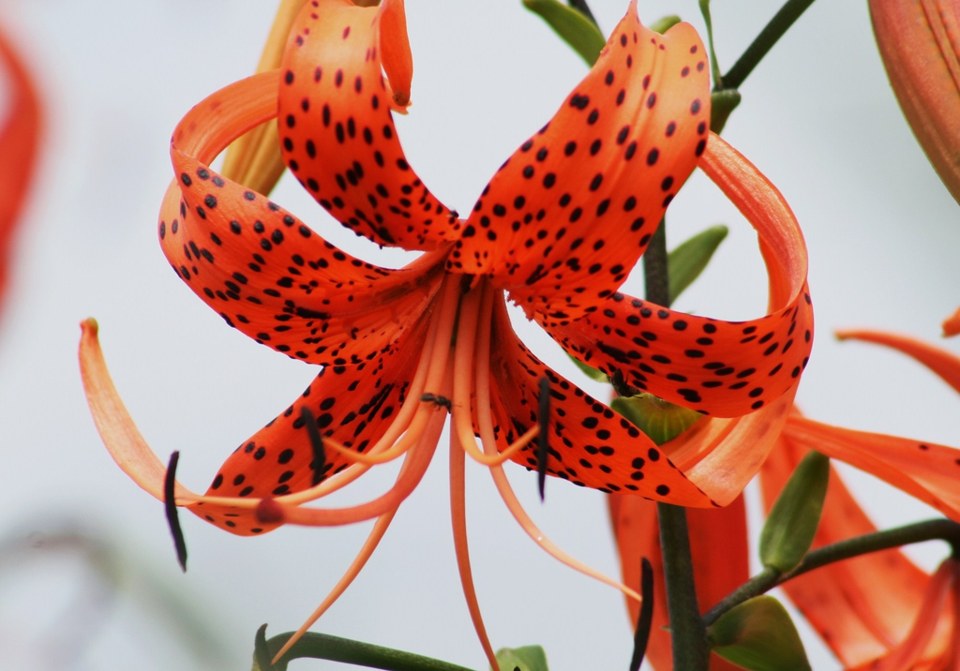
Find my match Dotty Leatherwood · CC BY 4.0
Tiger Lily Lilium lancifolium (syn. Lilium tigrinum)
“The Freckled Acrobat”
Orange spots. Zero stage fright.
🐱 Toxic 🐶 Non-toxic 🌷 Bulb
Light part shade, part sun, full sun Water When the top inch dries (~weekly) Where Outdoor Winter Winter-hardy — stays outside year-round (to −29 °C) Difficulty Easy · ~6 min/week · 💰💰 The science behind this match Keep soil moist but drained during active growth. Shelter tall stems; leave foliage until yellow. Extremely dangerous to cats, including pollen and vase water; ASPCA lists dogs as non-toxic, but chewing can still upset their stomach.
Photo: Dotty Leatherwood, CC BY 4.0 , via NC State Extension
Growing reference: NC State Extension
Pet safety sources
Cats: toxic — ASPCA . Cats: even pollen or vase water can cause fatal kidney failure.
Dogs: non-toxic — ASPCA . ASPCA lists non-toxic to dogs; ingestion may still cause stomach upset or a bulb obstruction.
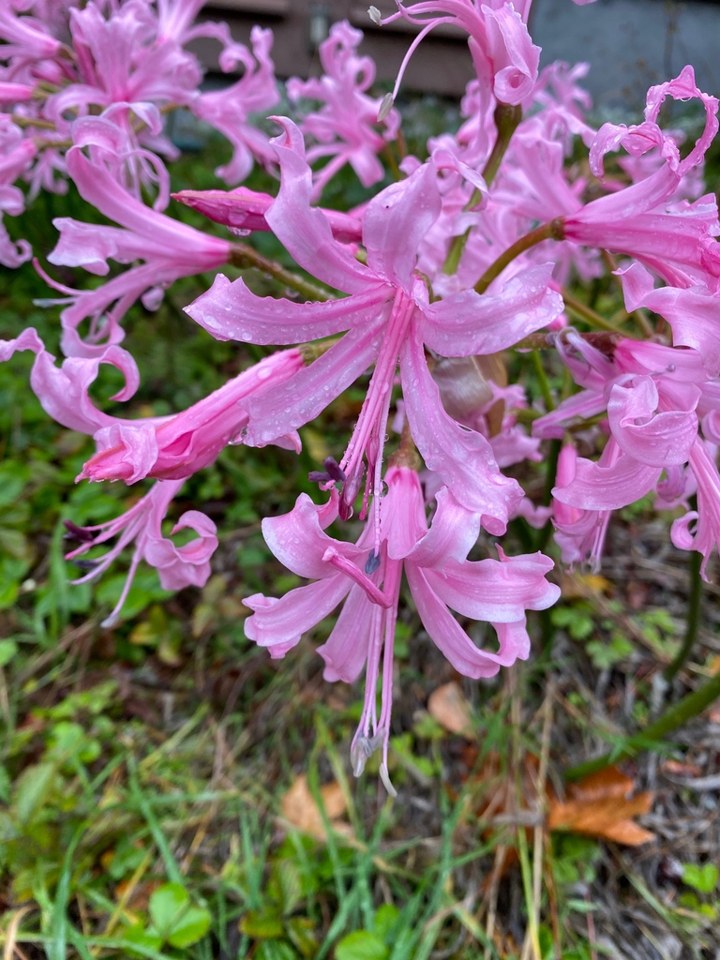
Find my match Kathleen Moore · CC BY 4.0
Bowden’s Nerine Nerine bowdenii
“The Pink Encore”
Saves the big performance for autumn.
🐱 ⚠️ Unverified 🐶 ⚠️ Unverified 🌷 Bulb
Light part sun, full sun Water When the top inch dries (~weekly) Where Outdoor Winter Survives frost to −12 °C — protect with fleece in hard frosts Difficulty Moderate · ~8 min/week · 💰💰 The science behind this match Plant with the bulb neck exposed in a sunny, drained spot. Water while foliage is growing, not during dormancy; crowded bulbs flower well. Conservative outdoor range follows the Nerine genus reference; protect from freezing winters.
Photo: Kathleen Moore, CC BY 4.0 , via NC State Extension
Growing reference: NC State Extension
Pet safety sources
Cats: not verified. Species-specific cat/dog toxicity has not been verified by a veterinary source; excluded for owners of this animal.
Dogs: not verified. Species-specific cat/dog toxicity has not been verified by a veterinary source; excluded for owners of this animal.
Find my match H. Zell · CC BY-SA 3.0
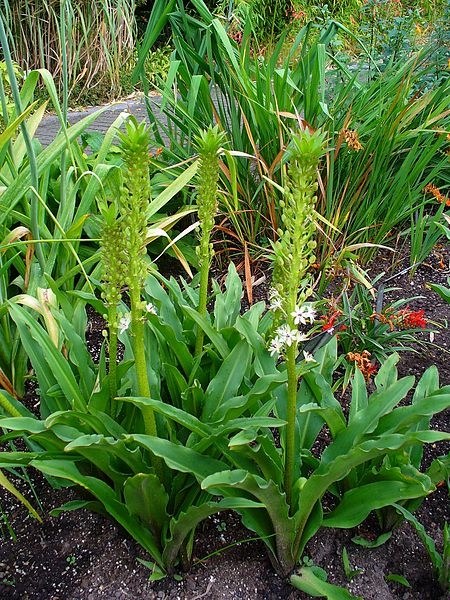
Pineapple Lily Eucomis comosa
“The Tropical Hair Stylist”
Pineapple haircut. Not pineapple fruit.
🐱 ⚠️ Unverified 🐶 ⚠️ Unverified 🌷 Bulb
Light part shade, part sun, full sun Water Keep evenly moist (frequent) Where Outdoor Winter Winter-hardy — stays outside year-round (to −18 °C) Difficulty Moderate · ~10 min/week · 💰💰 The science behind this match Keep rich, well-drained soil moist during flowering. Protect zone 7 bulbs with winter mulch; lift and store dry in colder zones. Reduce watering during dormancy.
Photo: H. Zell, CC BY-SA 3.0 , via NC State Extension
Growing reference: NC State Extension
Pet safety sources
Cats: not verified. Species-specific cat/dog toxicity has not been verified by a veterinary source; excluded for owners of this animal.
Dogs: not verified. Species-specific cat/dog toxicity has not been verified by a veterinary source; excluded for owners of this animal.
Find my match T.Voekler · CC BY-SA 3.0
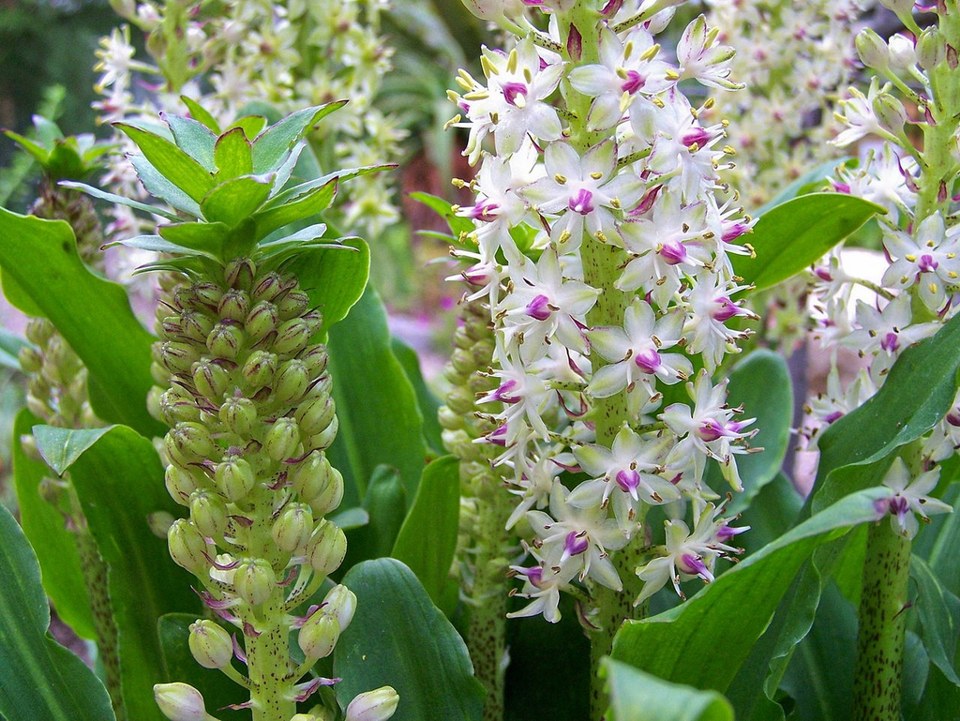
Two-colour Pineapple Lily Eucomis bicolor
“The Two-Tone Trendsetter”
Green crown. Purple trim. No edible pineapple.
🐱 ⚠️ Unverified 🐶 ⚠️ Unverified 🌷 Bulb
Light full sun Water Keep evenly moist (frequent) Where Outdoor Winter Winter-hardy — stays outside year-round (to −18 °C) Difficulty Moderate · ~10 min/week · 💰💰 The science behind this match Keep fertile, well-drained soil moist in active growth. Zone 7 is marginal: mulch and protect; lift and store dry in colder zones. Reduce watering during dormancy.
Photo: T.Voekler, CC BY-SA 3.0 , via NC State Extension
Growing reference: NC State Extension
Pet safety sources
Cats: not verified. Species-specific cat/dog toxicity has not been verified by a veterinary source; excluded for owners of this animal.
Dogs: not verified. Species-specific cat/dog toxicity has not been verified by a veterinary source; excluded for owners of this animal.
Find my match Cathy DeWitt · CC BY 4.0
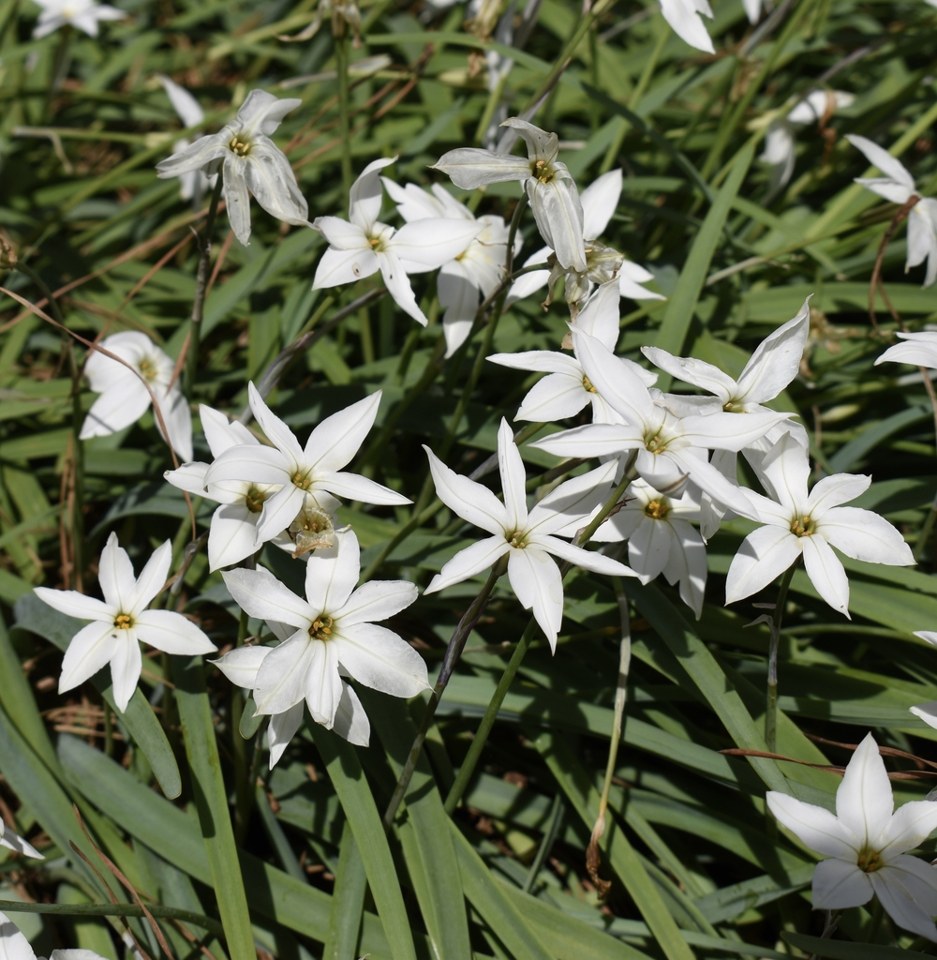
Spring Starflower Ipheion uniflorum
“The Tiny Stargazer”
Galaxy ambitions. Ankle-height budget.
🐱 ⚠️ Unverified 🐶 ⚠️ Unverified 🌷 Bulb
Light part shade, part sun, full sun Water When the top inch dries (~weekly) Where Outdoor Winter Winter-hardy — stays outside year-round (to −29 °C) Difficulty Easy · ~4 min/week · 💰 The science behind this match Plant in autumn in a sheltered, drained spot. Keep slightly moist during spring growth; drier soil is appropriate in summer dormancy. Onion-scented leaves are not a pet snack.
Photo: Cathy DeWitt, CC BY 4.0 , via NC State Extension
Growing reference: NC State Extension
Pet safety sources
Cats: not verified. Species-specific cat/dog toxicity has not been verified by a veterinary source; excluded for owners of this animal.
Dogs: not verified. Species-specific cat/dog toxicity has not been verified by a veterinary source; excluded for owners of this animal.
Find my match Maria R · CC BY 2.0
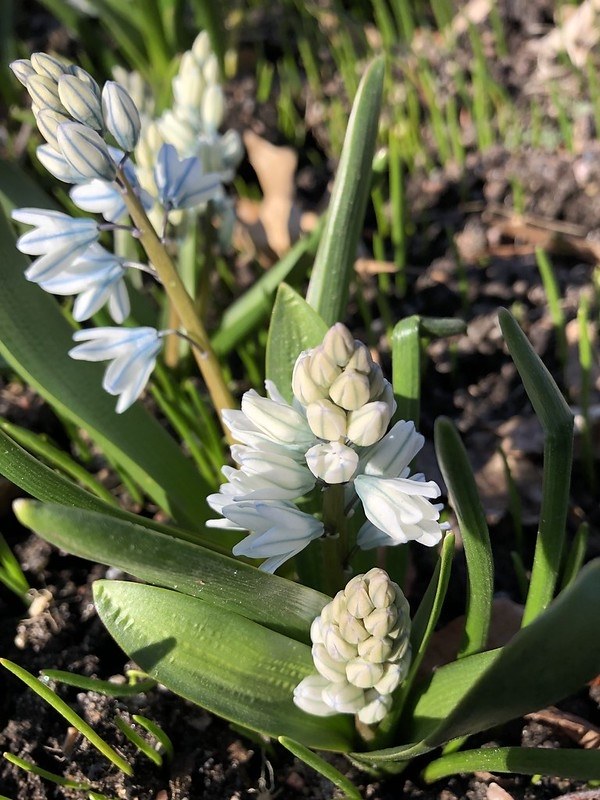
Striped Squill Puschkinia scilloides
“The Pinstriped Early Bird”
Arrives in spring wearing business stripes.
🐱 ⚠️ Unverified 🐶 ⚠️ Unverified 🌷 Bulb
Light part shade, part sun, full sun Water Keep evenly moist (frequent) Where Outdoor Winter Winter-hardy — stays outside year-round (to −34 °C) Difficulty Easy · ~5 min/week · 💰 The science behind this match Plant in autumn in fertile, well-drained soil. Keep consistently moist in the growing season; tolerates summer drought when dormant. Let leaves yellow before removing.
Photo: Maria R, CC BY 2.0 , via NC State Extension
Growing reference: NC State Extension
Pet safety sources
Cats: not verified. Species-specific cat/dog toxicity has not been verified by a veterinary source; excluded for owners of this animal.
Dogs: not verified. Species-specific cat/dog toxicity has not been verified by a veterinary source; excluded for owners of this animal.
Find my match Plant Image Library · CC-BY-SA 2.0
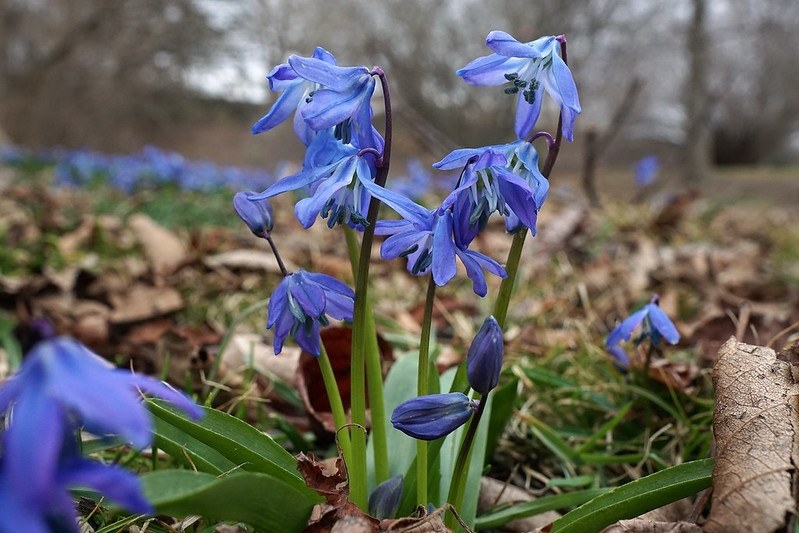
Siberian Squill Scilla siberica
“The Blue Spring Confetti”
Scatters blue bells. Declines the cleanup.
🐱 ⚠️ Unverified 🐶 ⚠️ Unverified 🌷 Bulb
Light part shade, part sun, full sun Water When the top inch dries (~weekly) Where Outdoor Winter Survives frost to −12 °C — protect with fleece in hard frosts Difficulty Easy · ~4 min/week · 💰 The science behind this match Plant in drained soil for spring flowers, then allow summer dormancy. Can spread: check local invasive-plant advice. The cited Extension profile warns of injury below -10°C; this catalogue uses a conservative zone 8–9 range. Never eat the bulbs.
Photo: Plant Image Library, CC-BY-SA 2.0 , via NC State Extension
Growing reference: NC State Extension
Pet safety sources
Cats: not verified. Species-specific cat/dog toxicity has not been verified by a veterinary source; excluded for owners of this animal.
Dogs: not verified. Species-specific cat/dog toxicity has not been verified by a veterinary source; excluded for owners of this animal.
Find my match Dr. Thomas G. Barnes · CC0
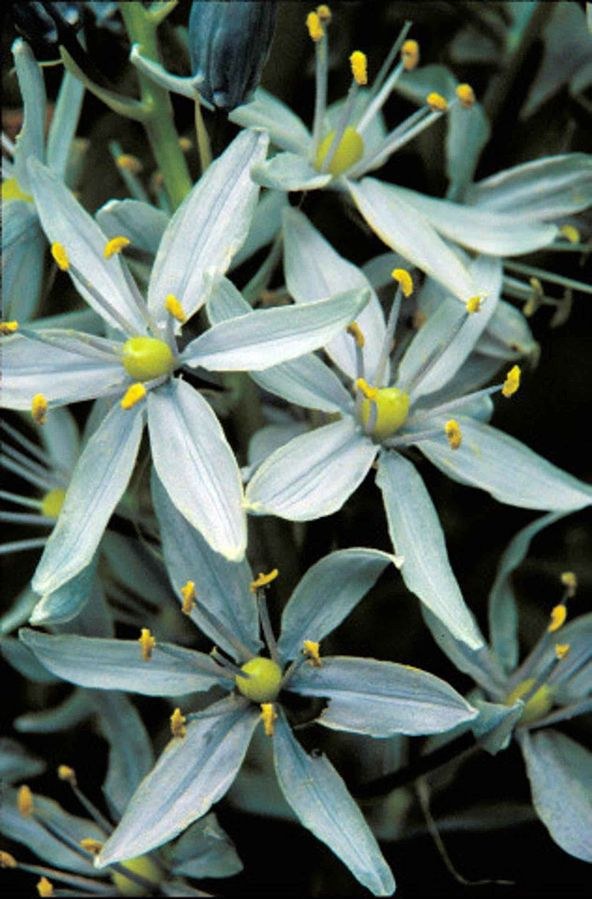
Atlantic Camas Camassia scilloides
“The Meadow Choir”
Blue stars with a slow-and-steady contract.
🐱 ⚠️ Unverified 🐶 ⚠️ Unverified 🌷 Bulb
Light part shade, part sun, full sun Water Keep evenly moist (frequent) Where Outdoor Winter Winter-hardy — stays outside year-round (to −34 °C) Difficulty Moderate · ~8 min/week · 💰💰 The science behind this match Plant in autumn in moist, fertile, drained soil and leave undisturbed. Needs regular spring moisture, then tolerates drier summer dormancy. Do not confuse with poisonous death camas; not listed here as edible.
Photo: Dr. Thomas G. Barnes, CC0 , via NC State Extension
Growing reference: NC State Extension
Pet safety sources
Cats: not verified. Species-specific cat/dog toxicity has not been verified by a veterinary source; excluded for owners of this animal.
Dogs: not verified. Species-specific cat/dog toxicity has not been verified by a veterinary source; excluded for owners of this animal.
Find my match K. Andre · CC BY 2.0
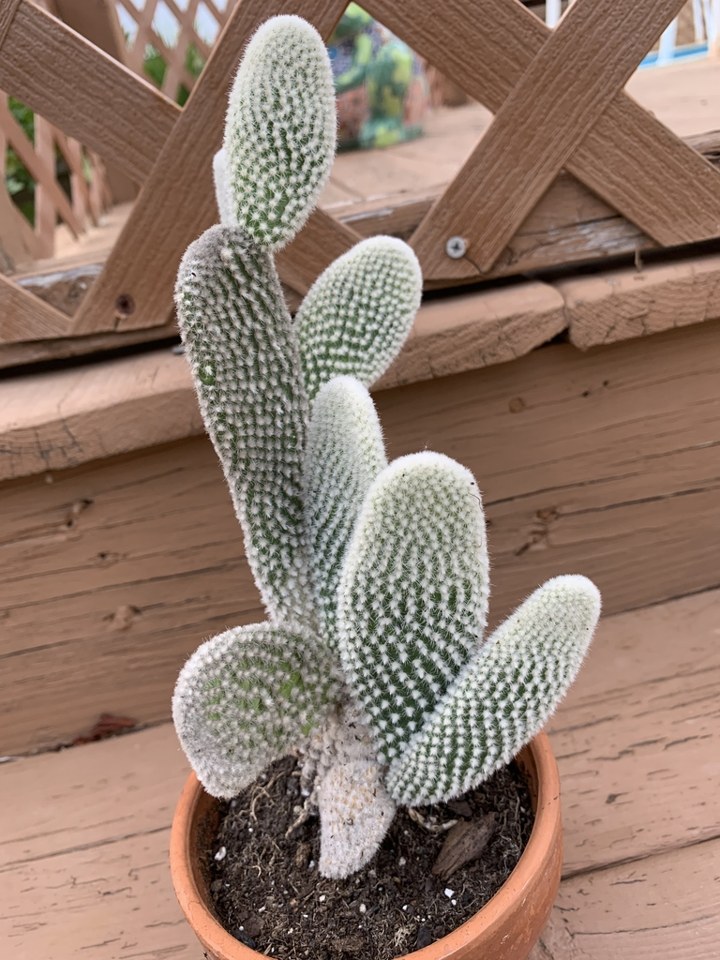
Bunny Ears Cactus Opuntia microdasys
“The No-Hug Bunny”
Looks cuddly. Has other plans.
🐱 Non-toxic 🐶 Non-toxic 🌵 Cactus
⚠️ Spines or glochids can injure skin and mouths; keep out of pet and child reach.
Light direct sun Water Drought-tolerant (every 2–4 weeks) Where Indoor, or outdoor Winter Frost-sensitive — bring indoors when nights drop below −5 °C Difficulty Easy · ~3 min/week · 💰💰 The science behind this match Give full sun and gritty, free-draining compost. Let soil dry fully between drinks; reduce water during dormancy. Tiny detachable glochids are easily embedded in skin: use tools, never bare hands. Keep away from pets and children.
Photo: K. Andre, CC BY 2.0 , via NC State Extension
Growing reference: NC State Extension
Pet safety sources
Cats: non-toxic — ASPCA . Non-toxic does not mean safe to chew: spines or glochids can cause injury. Keep out of pet reach.
Dogs: non-toxic — ASPCA . Non-toxic does not mean safe to chew: spines or glochids can cause injury. Keep out of pet reach.
Find my match skdavidson · CC-BY-SA 2.0
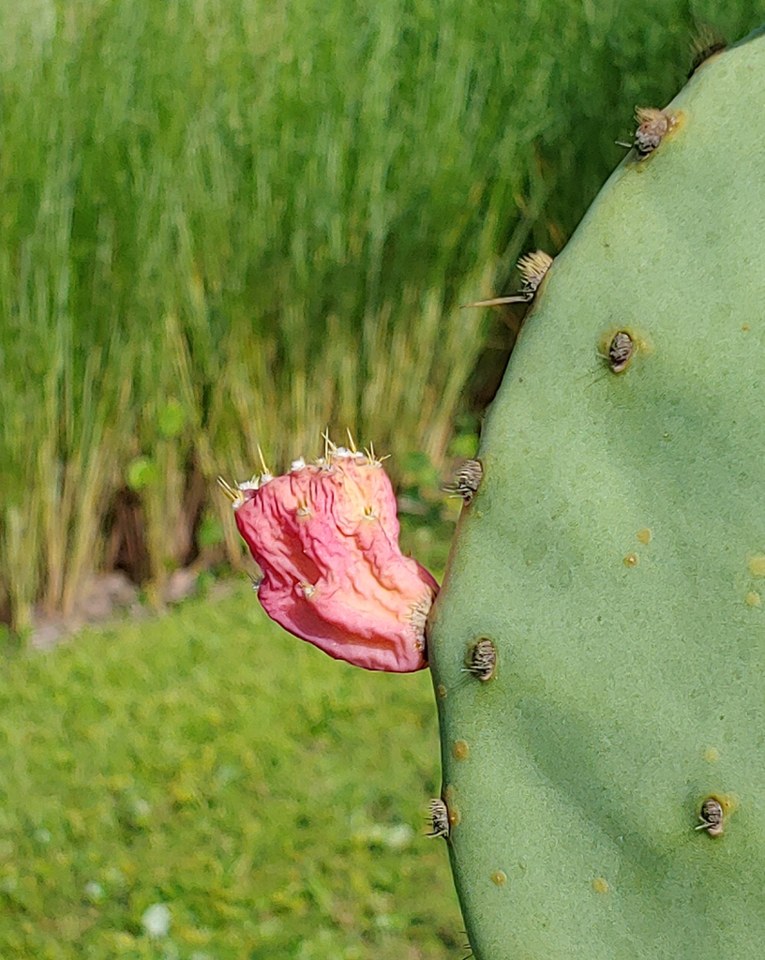
Eastern Prickly Pear Opuntia humifusa
“The Frost-Proof Paddle Club”
Handles winter. Rejects hugs.
🐱 Non-toxic 🐶 Non-toxic 🌵 Cactus
⚠️ Spines or glochids can injure skin and mouths; keep out of pet and child reach.
Light full sun Water Drought-tolerant (every 2–4 weeks) Where Outdoor Winter Winter-hardy — stays outside year-round (to −34 °C) Difficulty Easy · ~3 min/week · 💰💰 The science behind this match An outdoor cactus for sunny, sandy or rocky beds with excellent drainage. Let soil dry between watering; winter wet is its enemy. Pads may wrinkle in winter. Spines and detachable glochids injure skin and mouths; keep pets away.
Photo: skdavidson, CC-BY-SA 2.0 , via NC State Extension
Growing reference: NC State Extension
Pet safety sources
Cats: non-toxic — ASPCA . Non-toxic does not mean safe to chew: spines or glochids can cause injury. Keep out of pet reach.
Dogs: non-toxic — ASPCA . Non-toxic does not mean safe to chew: spines or glochids can cause injury. Keep out of pet reach.
Find my match José Manuel Bazán · CC-BY-SA 2.0
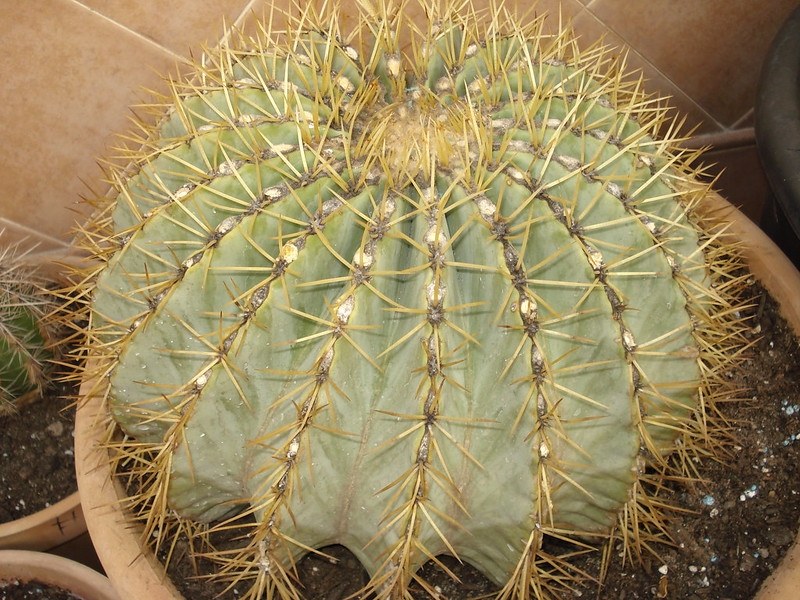
Blue Barrel Cactus Ferocactus glaucescens
“The Blue-Spiked Bouncer”
Round, blue and strictly no cuddling.
🐱 ⚠️ Unverified 🐶 ⚠️ Unverified 🌵 Cactus
⚠️ Spines or glochids can injure skin and mouths; keep out of pet and child reach.
Light direct sun Water Drought-tolerant (every 2–4 weeks) Where Indoor, or outdoor Winter Frost-sensitive — bring indoors when nights drop below −5 °C Difficulty Moderate · ~4 min/week · 💰💰 The science behind this match Grow in full sun, acclimating slowly; offer afternoon shade in intense heat. Use gritty cactus mix, dry fully between waterings, and reduce winter water. The genus reference gives zones 9–11; protect from frost. Sharp spines: keep out of pet and child reach.
Photo: José Manuel Bazán, CC-BY-SA 2.0 , via NC State Extension
Growing reference: NC State Extension
Pet safety sources
Cats: not verified. Species-specific toxicity is unverified for this animal; excluded from pet-owner matches.
Dogs: not verified. Species-specific toxicity is unverified for this animal; excluded from pet-owner matches.
Find my match Oscar Diaz · CC BY-SA 4.0
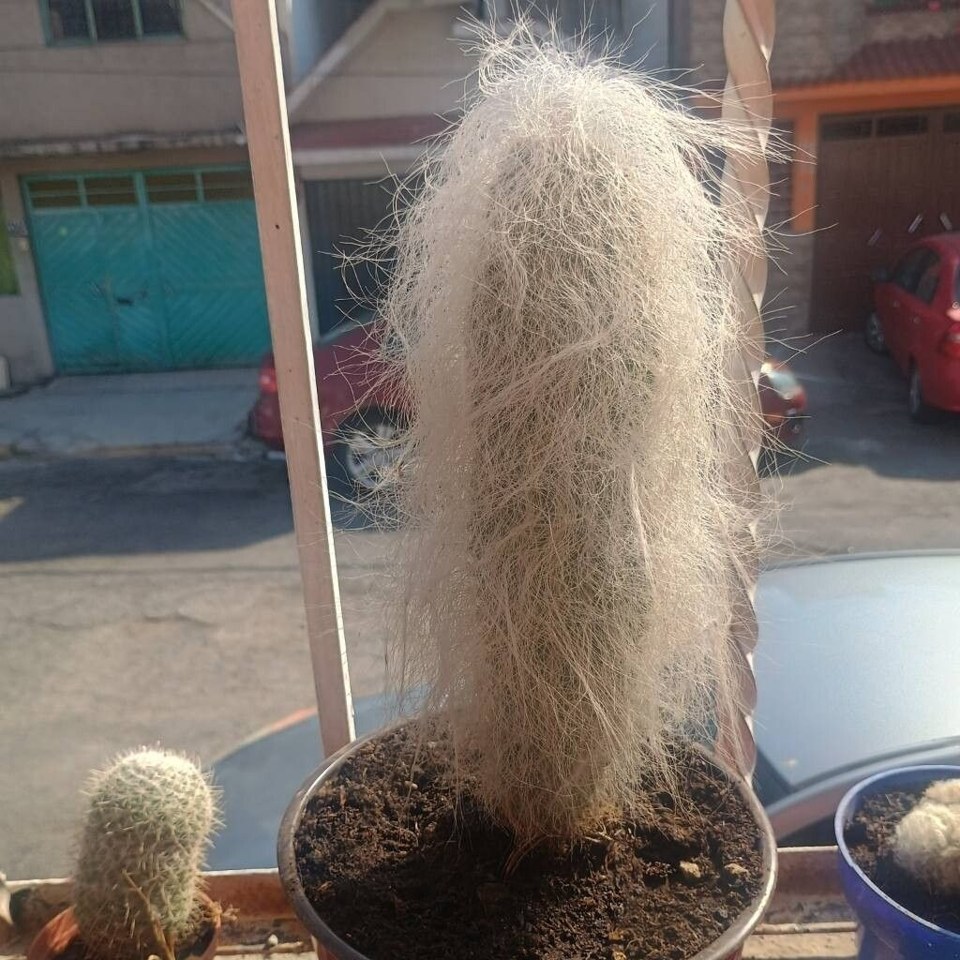
Old Man Cactus Cephalocereus senilis
“The Woolly Grandad”
Excellent hair. Terrible hug etiquette.
🐱 Non-toxic 🐶 Non-toxic 🌵 Cactus
⚠️ Spines or glochids can injure skin and mouths; keep out of pet and child reach.
Light direct sun Water Drought-tolerant (every 2–4 weeks) Where Indoor, or outdoor Winter Frost-sensitive — bring indoors when nights drop below −5 °C Difficulty Easy · ~3 min/week · 💰💰 The science behind this match Provide bright light with direct sun and free-draining cactus compost. Let dry fully between drinks; withhold feeding and reduce watering during winter dormancy. A houseplant may reach 3–4 feet; outdoors it eventually becomes a large column. The white hairs hide sharp central spines: no pet access.
Photo: Oscar Diaz, CC BY-SA 4.0 , via NC State Extension
Growing reference: NC State Extension
Pet safety sources
Cats: non-toxic — ASPCA . Non-toxic does not mean safe to chew: spines or glochids can cause injury. Keep out of pet reach.
Dogs: non-toxic — ASPCA . Non-toxic does not mean safe to chew: spines or glochids can cause injury. Keep out of pet reach.
Find my match George Berninger · CC BY-SA 3.0
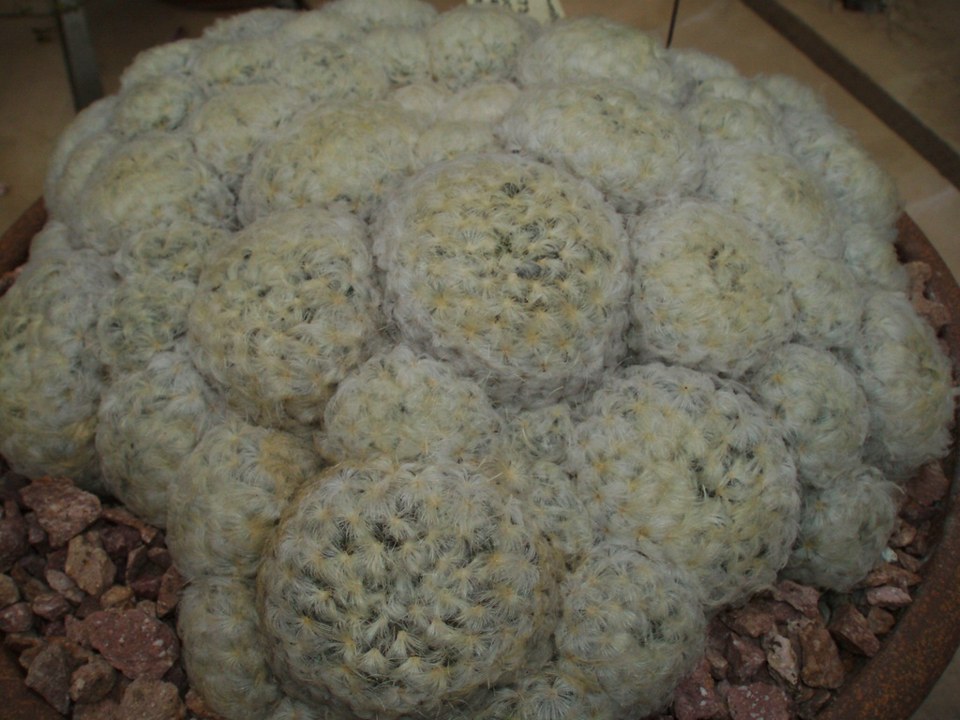
Feather Cactus Mammillaria plumosa
“The Fluffy Impostor”
Soft-looking. Not a cushion.
🐱 ⚠️ Unverified 🐶 ⚠️ Unverified 🌵 Cactus
⚠️ Spines or glochids can injure skin and mouths; keep out of pet and child reach.
Light direct sun Water Drought-tolerant (every 2–4 weeks) Where Indoor, or outdoor Winter Frost-sensitive — bring indoors when nights drop below −5 °C Difficulty Easy · ~2 min/week · 💰 The science behind this match A small clumping Mammillaria for sunny windows and very free-draining gritty cactus mix. Dry fully between watering; keep almost dry during cool dormancy. The growing reference is genus-level, with a species-labelled photo; protect from frost. Feathery spines can still irritate skin and mouths.
Photo: George Berninger, CC BY-SA 3.0 , via NC State Extension
Growing reference: NC State Extension
Pet safety sources
Cats: not verified. Species-specific toxicity is unverified for this animal; excluded from pet-owner matches.
Dogs: not verified. Species-specific toxicity is unverified for this animal; excluded from pet-owner matches.
Find my match Bblanc · CC BY-SA 3.0
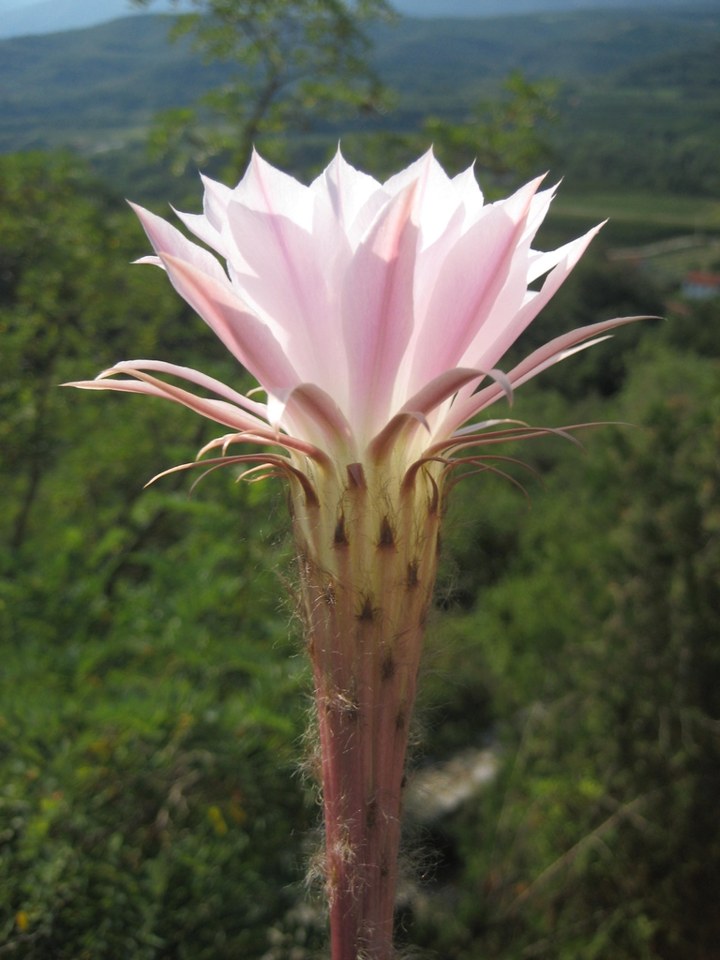
Easter Lily Cactus Echinopsis oxygona (syn. Echinopsis multiplex)
“The One-Night Flower Star”
Blooms after dark. Refuses an encore schedule.
🐱 Non-toxic 🐶 Non-toxic 🌵 Cactus
⚠️ Spines or glochids can injure skin and mouths; keep out of pet and child reach.
Light bright indirect light, direct sun Water When the top inch dries (~weekly) Where Indoor, or outdoor Winter Frost-sensitive — bring indoors when nights drop below −5 °C Difficulty Easy · ~4 min/week · 💰💰 The science behind this match Give full sun to part shade and well-drained cactus mix. Needs more growing-season water than many desert cacti but must never sit wet; reduce water in winter. Zone 9 is a conservative whole-zone minimum because the source starts at 8b. Not a true lily: Echinopsis multiplex is a listed synonym. Spines can injure pets.
Photo: Bblanc, CC BY-SA 3.0 , via NC State Extension
Growing reference: NC State Extension
Pet safety sources
Cats: non-toxic — ASPCA . Non-toxic does not mean safe to chew: spines or glochids can cause injury. Keep out of pet reach.
Dogs: non-toxic — ASPCA . Non-toxic does not mean safe to chew: spines or glochids can cause injury. Keep out of pet reach.
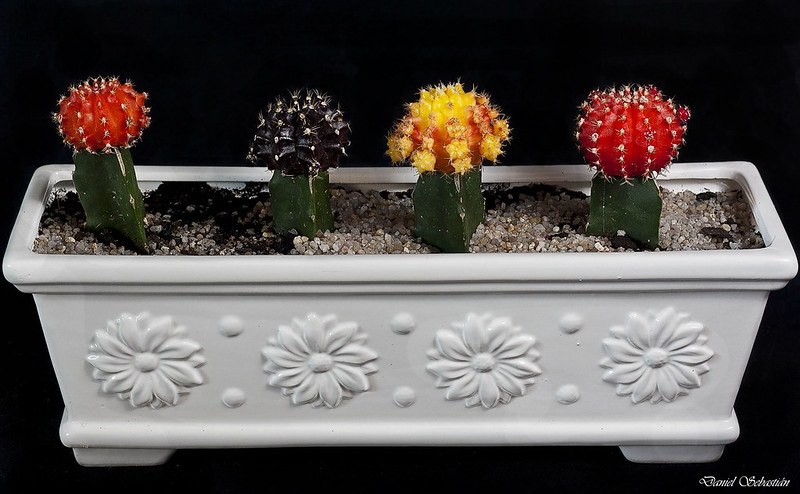
Find my match Daniel Sebastián Cueto · CC-BY-SA 2.0
Moon Cactus Gymnocalycium mihanovichii (grafted cultivars; variable rootstock)
“The Neon Double Act”
Two cacti. One very colourful arrangement.
🐱 ⚠️ Unverified 🐶 ⚠️ Unverified 🌵 Cactus
⚠️ Spines or glochids can injure skin and mouths; keep out of pet and child reach.
Light bright indirect light Water Drought-tolerant (every 2–4 weeks) Where Indoor, or outdoor Winter Frost-sensitive — bring indoors when nights drop below +1 °C Difficulty Moderate · ~4 min/week · 💰 The science behind this match This colourful Gymnocalycium is grafted onto a green host cactus, often dragon fruit. Use bright indirect light, avoid harsh direct sun, and let cactus mix dry fully between drinks. Reduce water and feed only during active growth; protect from cold, bringing indoors before 10°C. Rootstock identity varies and pet safety is not verified for the whole graft. Spines can injure skin.
Photo: Daniel Sebastián Cueto, CC-BY-SA 2.0 , via NC State Extension
Growing reference: NC State Extension
Pet safety sources
Cats: not verified. Species-specific toxicity is unverified for this animal; excluded from pet-owner matches.
Dogs: not verified. Species-specific toxicity is unverified for this animal; excluded from pet-owner matches.
Find my match Sadambio · CC BY-SA 2.5
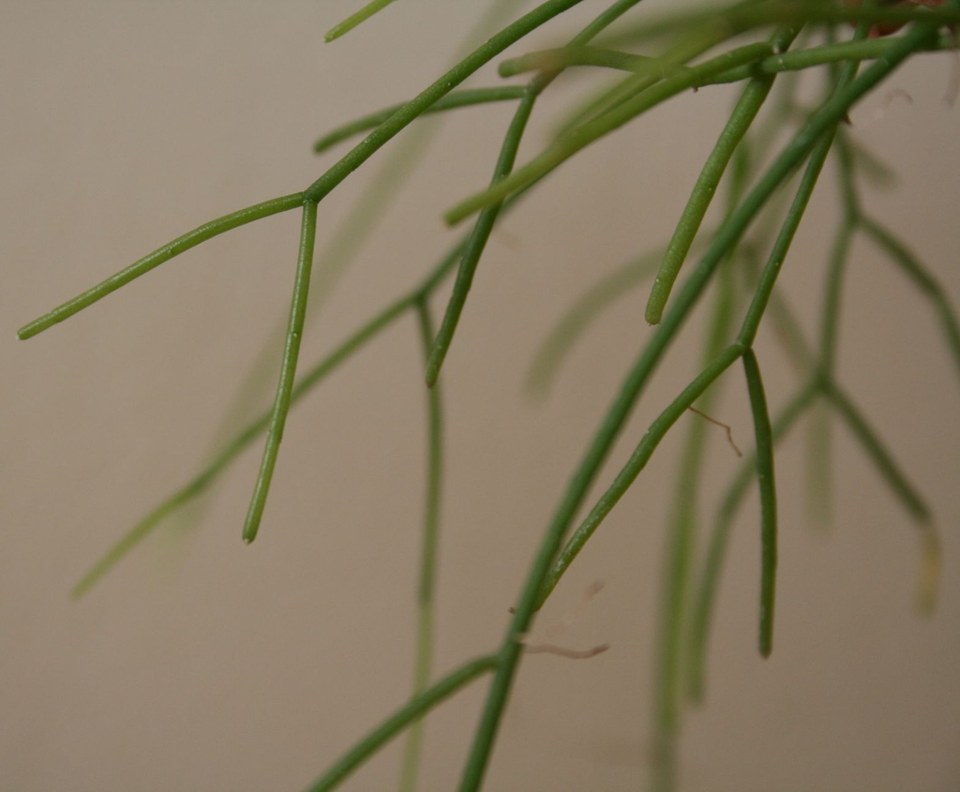
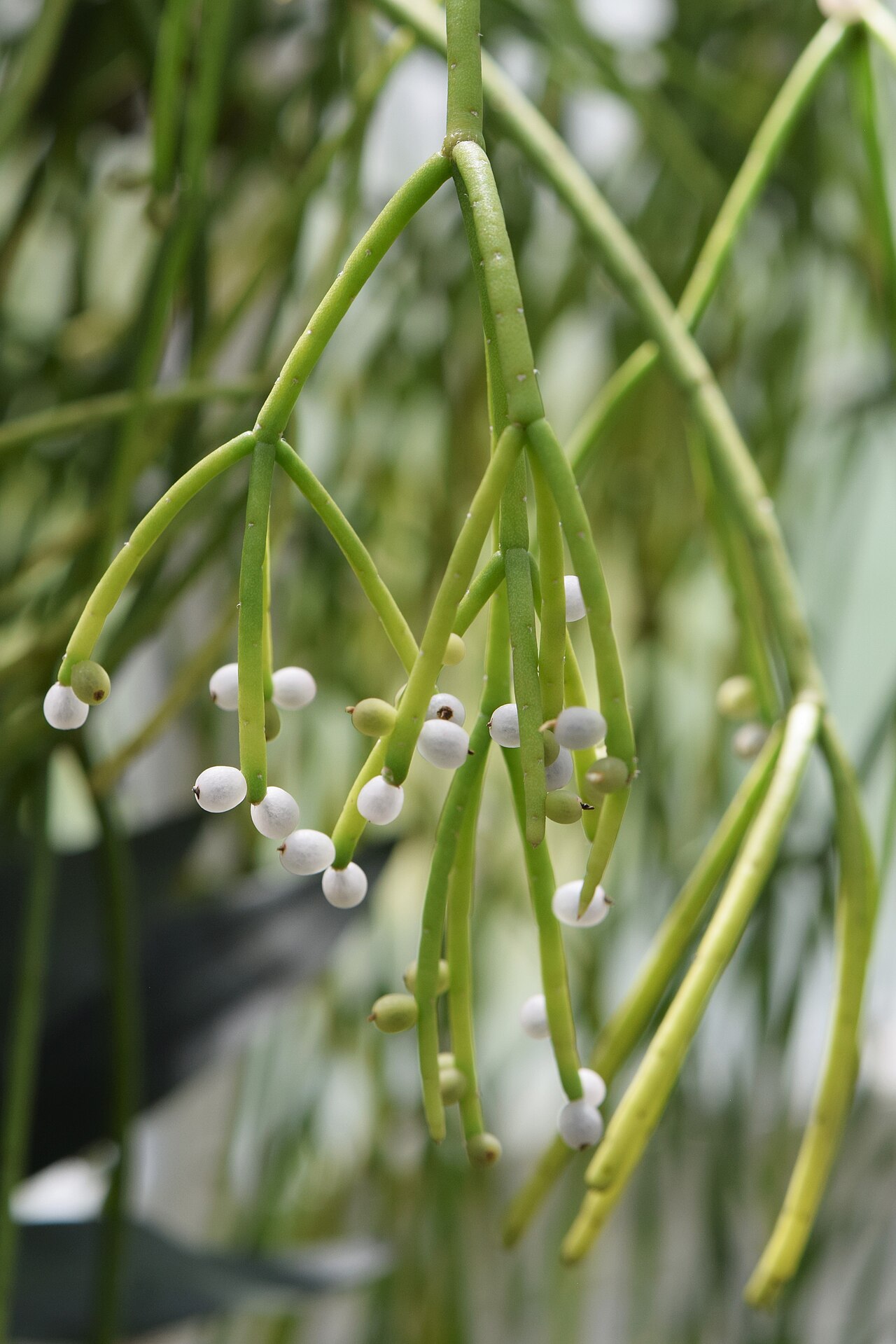
Mistletoe Cactus Rhipsalis baccifera
“The Dangly Jungle Poet”
A cactus that skipped the desert memo.
🐱 ⚠️ Unverified 🐶 ⚠️ Unverified 🌵 Cactus
Light indirect light, bright indirect light Water When the top inch dries (~weekly) Where Indoor, or outdoor Winter Frost-sensitive — bring indoors when nights drop below +1 °C Difficulty Easy · ~5 min/week · 💰💰 The science behind this match A spineless forest cactus: give bright indirect light, humidity, and airy, well-drained mix. Water when the surface dries without prolonged bone-dry conditions; reduce during dormancy. Trails up to 6 feet indoors. ASPCA lists Rhipsalis cassutha, but that spelling is not the documented Rhipsalis cassytha synonym: no unverified pet-safe claim. Not the poisonous holiday mistletoe, but not a pet snack.
Photo: Sadambio, CC BY-SA 2.5 , via NC State Extension
Growing reference: NC State Extension
Pet safety sources
Cats: not verified. Species-specific toxicity is unverified for this animal; excluded from pet-owner matches.
Dogs: not verified. Species-specific toxicity is unverified for this animal; excluded from pet-owner matches.
Find my match Kor!An (Андрей Корзун) · CC BY-SA 3.0
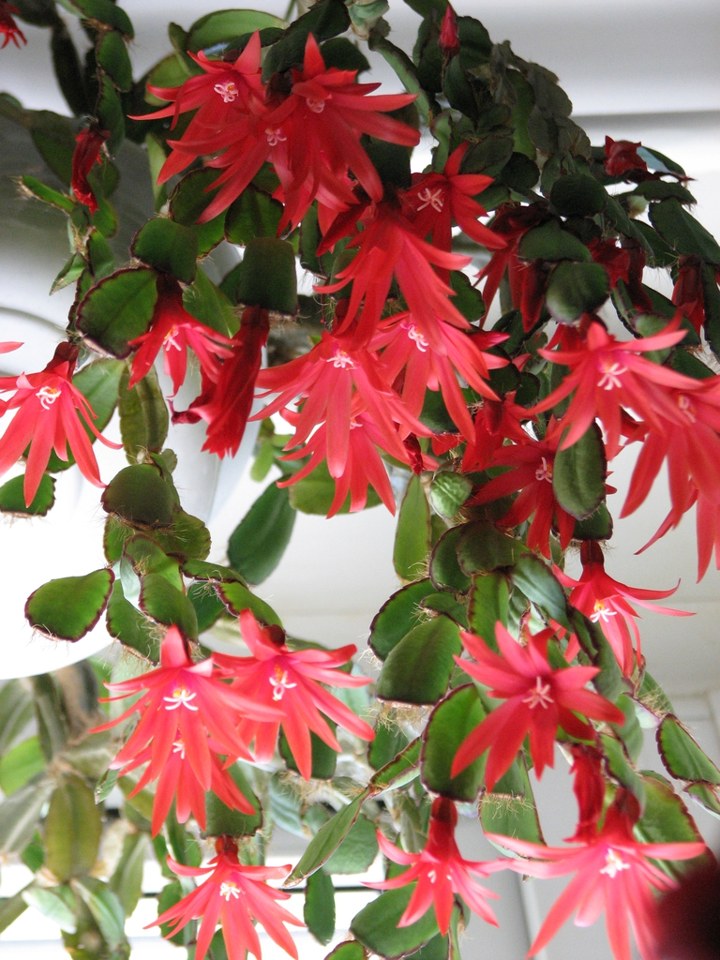
Easter Cactus Rhipsalidopsis gaertneri
“The Spring Party Planner”
Schedules blossoms. Expects punctual watering.
🐱 ⚠️ Unverified 🐶 ⚠️ Unverified 🌵 Cactus
Light indirect light, bright indirect light Water When the top inch dries (~weekly) Where Indoor, or outdoor Winter Frost-sensitive — bring indoors when nights drop below +1 °C Difficulty Moderate · ~6 min/week · 💰 The science behind this match A rainforest cactus, not a desert plant. Give bright indirect light, airy drained compost and water when the surface dries. Reduce water during cool rest without severe dehydration; feed during active growth only. Avoid scorching sun. Also known as Hatiora gaertneri; do not assume another holiday cactus’s toxicity record applies.
Photo: Kor!An (Андрей Корзун), CC BY-SA 3.0 , via NC State Extension
Growing reference: NC State Extension
Pet safety sources
Cats: not verified. Species-specific toxicity is unverified for this animal; excluded from pet-owner matches.
Dogs: not verified. Species-specific toxicity is unverified for this animal; excluded from pet-owner matches.
Find my match Cindy Christian · CC BY 4.0
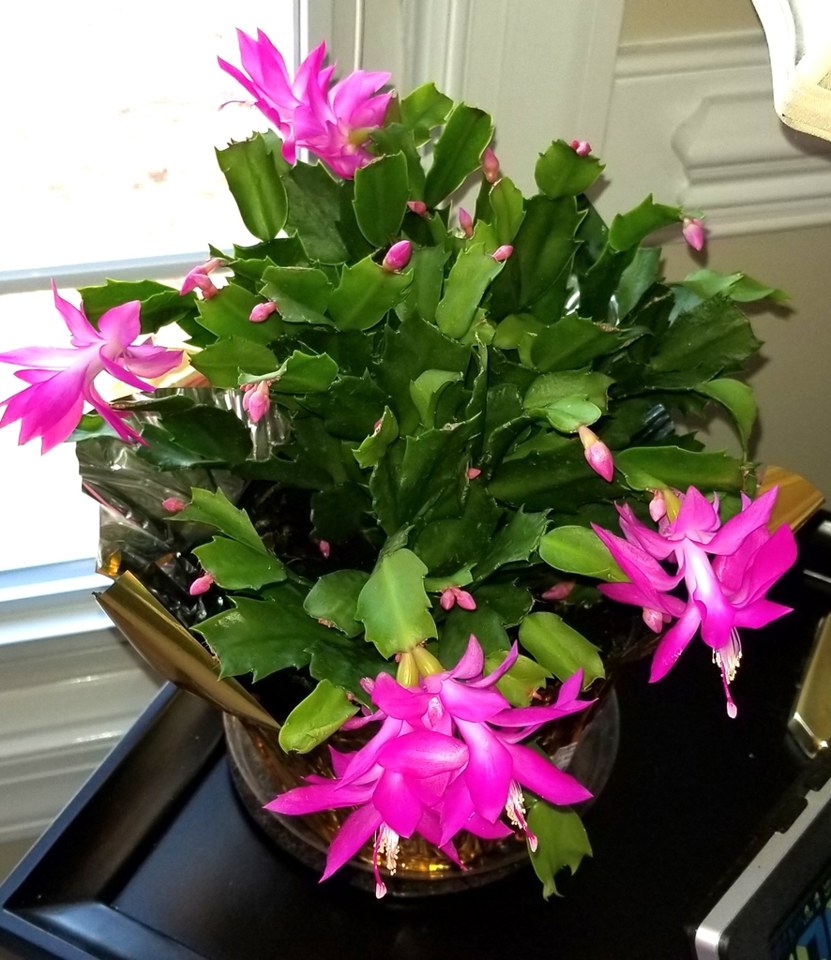
Thanksgiving Cactus Schlumbergera truncata
“The Early Holiday Guest”
Arrives before Christmas. Brings its own flowers.
🐱 ⚠️ Unverified 🐶 ⚠️ Unverified 🌵 Cactus
Light indirect light, bright indirect light Water When the top inch dries (~weekly) Where Indoor, or outdoor Winter Frost-sensitive — bring indoors when nights drop below +1 °C Difficulty Easy · ~5 min/week · 💰 The science behind this match An epiphytic forest cactus with pointed stem-segment edges, distinct from Christmas cactus. Provide bright indirect light and well-drained airy compost. Water when the surface dries, reduce during cool rest and feed in active growth. Long nights and cooler temperatures help buds form. Botanical species not verified by a matching veterinary record; never label pet-safe by common-name similarity.
Photo: Cindy Christian, CC BY 4.0 , via NC State Extension
Growing reference: NC State Extension
Pet safety sources
Cats: not verified. Species-specific toxicity is unverified for this animal; excluded from pet-owner matches.
Dogs: not verified. Species-specific toxicity is unverified for this animal; excluded from pet-owner matches.
Find my match Cathy Dewitt · CC BY 4.0
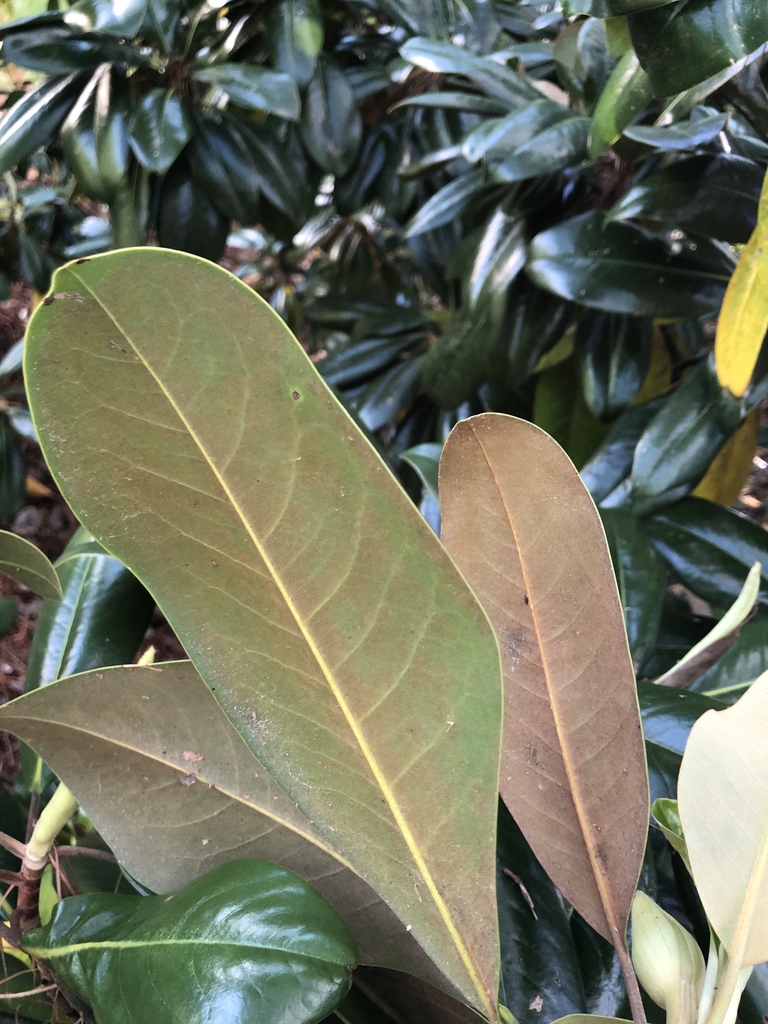
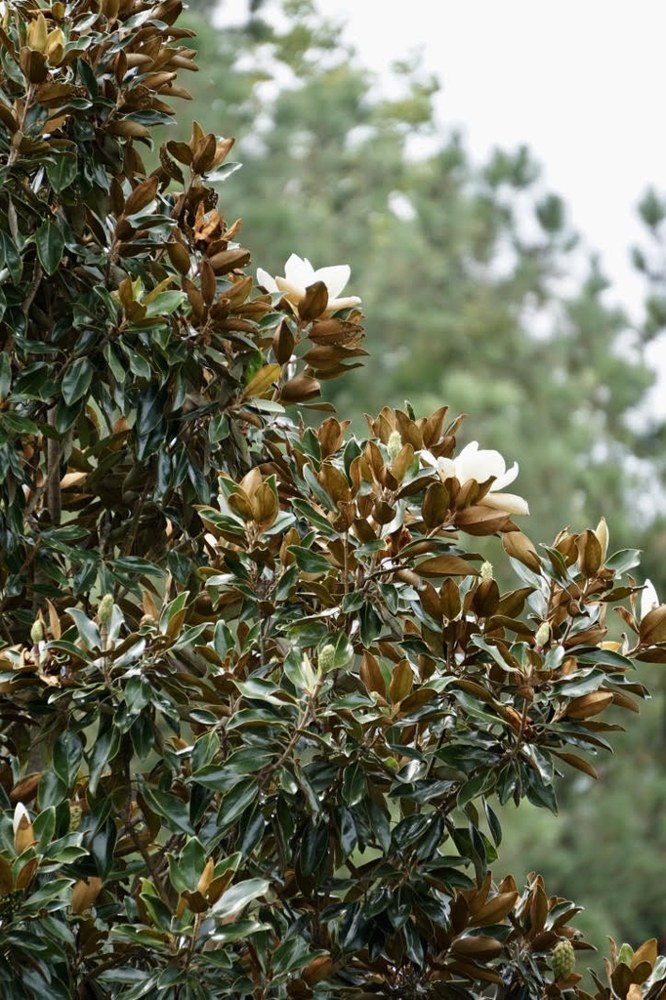
Southern Magnolia Magnolia grandiflora
“The Glossy Southern Belle”
Dinner-plate flowers, zero chill.
🐱 ⚠️ Unverified 🐶 ⚠️ Unverified 🌸 Magnolia 🌳 Hedge
Light part sun, full sun Water When the top inch dries (~weekly) Where Outdoor Winter Winter-hardy — stays outside year-round (to −23 °C) Difficulty Moderate · ~10 min/week · 💰💰💰 The science behind this match An evergreen giant with lemon-scented blooms. Needs room, moist acidic soil and a few years to show off. Can form a tall evergreen screen with regular shaping; the full-sized species is not a compact hedge.
Photo: Cathy Dewitt, CC BY 4.0 , via NC State Extension
Growing reference: NC State Extension
Pet safety sources
Cats: not verified. No species-specific ASPCA record found, so it isn't verified.
Dogs: not verified. No species-specific ASPCA record found, so it isn't verified.
Find my match DW-Ross · CC BY 2.0
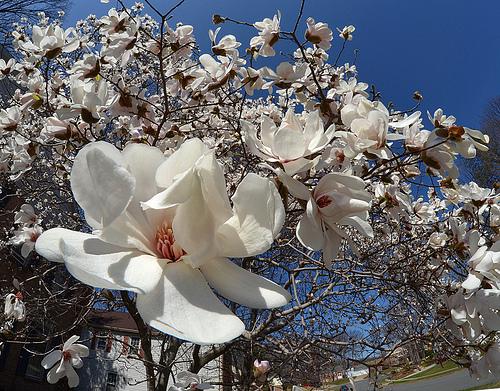
Star Magnolia Magnolia stellata
“The Early Riser”
Blooms before anyone's awake.
🐱 Non-toxic 🐶 Non-toxic 🌸 Magnolia
Light part sun, full sun Water When the top inch dries (~weekly) Where Outdoor Winter Winter-hardy — stays outside year-round (to −34 °C) Difficulty Easy · ~6 min/week · 💰💰 The science behind this match A compact shrub-tree covered in starry white flowers in early spring. Shelter it from late frosts.
Photo: DW-Ross, CC BY 2.0 , via NC State Extension
Growing reference: NC State Extension
Pet safety sources
Cats: non-toxic — ASPCA
Dogs: non-toxic — ASPCA
Find my match Bagemet · CC BY-SA 4.0
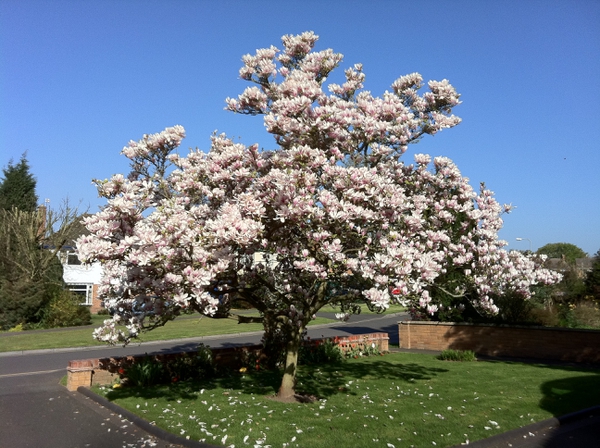
Saucer Magnolia Magnolia × soulangeana
“The Pink Teacup Tree”
Throws a tea party every April.
🐱 ⚠️ Unverified 🐶 ⚠️ Unverified 🌸 Magnolia
Light part sun, full sun Water When the top inch dries (~weekly) Where Outdoor Winter Winter-hardy — stays outside year-round (to −34 °C) Difficulty Moderate · ~8 min/week · 💰💰💰 The science behind this match Huge pink-and-white goblets on bare branches. Plant away from frost pockets and give it space.
Photo: Bagemet, CC BY-SA 4.0 , via NC State Extension
Growing reference: NC State Extension
Pet safety sources
Cats: not verified. No species-specific ASPCA record found, so it isn't verified.
Dogs: not verified. No species-specific ASPCA record found, so it isn't verified.
Find my match Ilouque · CC BY 4.0
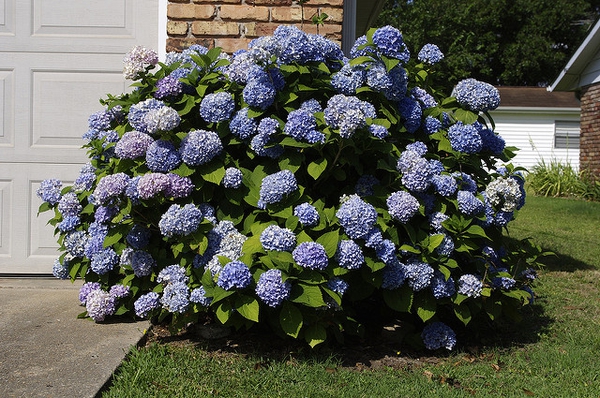
Bigleaf Hydrangea Hydrangea macrophylla
“The Mood Ring”
Changes colour with the soil's mood.
🐱 Toxic 🐶 Toxic 💐 Hydrangea
Light part shade, part sun Water Keep evenly moist (frequent) Where Outdoor Winter Winter-hardy — stays outside year-round (to −23 °C) Difficulty Moderate · ~15 min/week · 💰💰 The science behind this match Blue in acid soil, pink in alkaline. Morning sun, afternoon shade, and never let it dry out.
Photo: Ilouque, CC BY 4.0 , via NC State Extension
Growing reference: NC State Extension
Pet safety sources
Cats: toxic — ASPCA . ASPCA lists hydrangeas as toxic (cyanogenic glycosides); its record is for H. arborescens, applied conservatively to this species.
Dogs: toxic — ASPCA . ASPCA lists hydrangeas as toxic (cyanogenic glycosides); its record is for H. arborescens, applied conservatively to this species.
Find my match Debbie Roos · CC BY 2.0
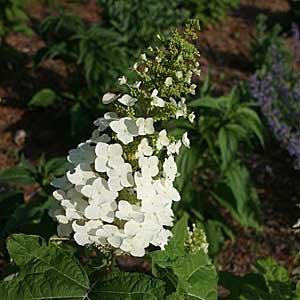
Oakleaf Hydrangea Hydrangea quercifolia
“The Four-Season Overachiever”
Flowers, fall colour and peeling bark.
🐱 Toxic 🐶 Toxic 💐 Hydrangea
Light part shade, part sun, full sun Water When the top inch dries (~weekly) Where Outdoor Winter Winter-hardy — stays outside year-round (to −29 °C) Difficulty Easy · ~10 min/week · 💰💰 The science behind this match Tougher than its cousins: copes with more sun and drier spells once settled.
Photo: Debbie Roos, CC BY 2.0 , via NC State Extension
Growing reference: NC State Extension
Pet safety sources
Cats: toxic — ASPCA . ASPCA lists hydrangeas as toxic (cyanogenic glycosides); its record is for H. arborescens, applied conservatively to this species.
Dogs: toxic — ASPCA . ASPCA lists hydrangeas as toxic (cyanogenic glycosides); its record is for H. arborescens, applied conservatively to this species.
Find my match Dotty Leatherwood · CC BY 4.0
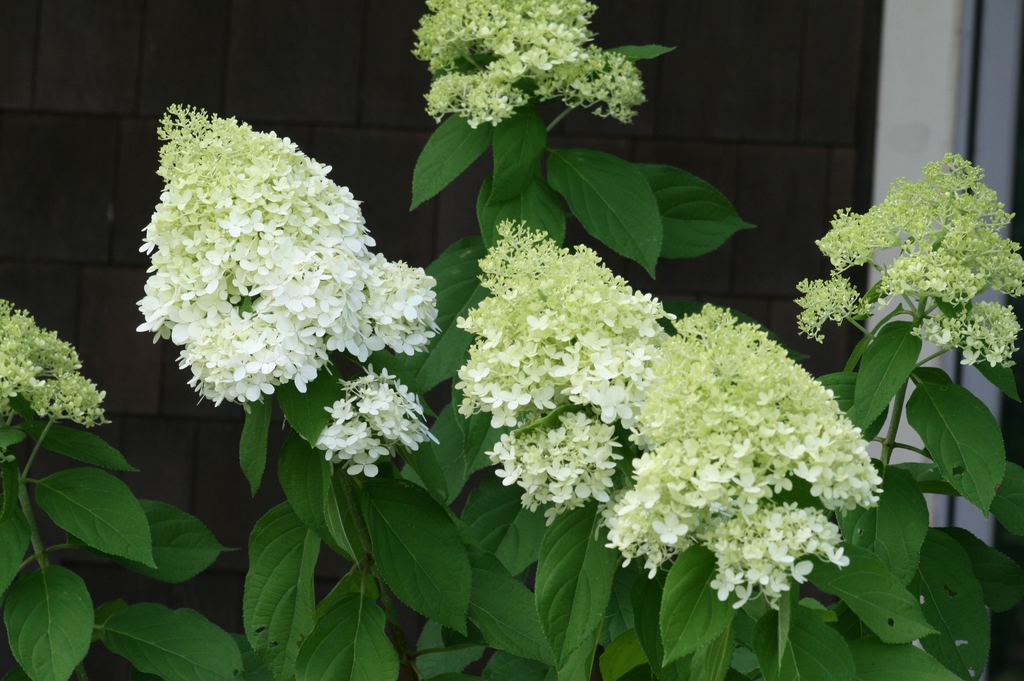
Panicle Hydrangea Hydrangea paniculata
“The Cone-Headed Toughie”
Ice-cream cones that laugh at frost.
🐱 Toxic 🐶 Toxic 💐 Hydrangea
Light part sun, full sun Water When the top inch dries (~weekly) Where Outdoor Winter Winter-hardy — stays outside year-round (to −40 °C) Difficulty Easy · ~10 min/week · 💰💰 The science behind this match The hardiest hydrangea. Blooms on new wood, so a late-winter prune can't ruin the show.
Photo: Dotty Leatherwood, CC BY 4.0 , via NC State Extension
Growing reference: NC State Extension
Pet safety sources
Cats: toxic — ASPCA . ASPCA lists hydrangeas as toxic (cyanogenic glycosides); its record is for H. arborescens, applied conservatively to this species.
Dogs: toxic — ASPCA . ASPCA lists hydrangeas as toxic (cyanogenic glycosides); its record is for H. arborescens, applied conservatively to this species.
Find my match Prerak Patel · CC BY 2.0
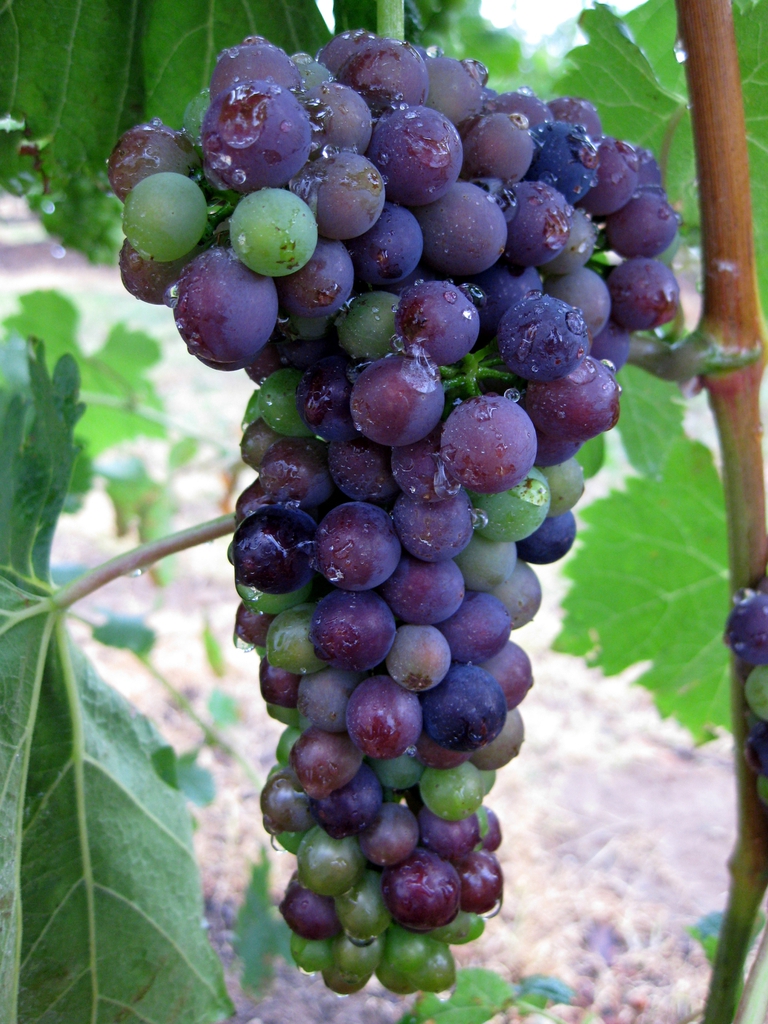
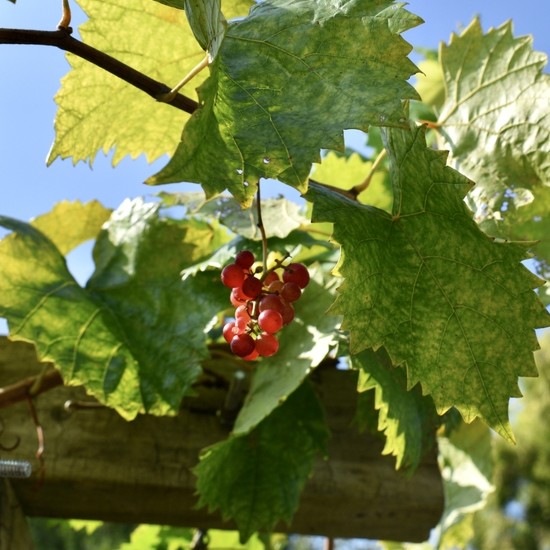
Grape Vine Vitis vinifera
“The Wine Bar Climber”
Wants a trellis and a sommelier.
🐱 ⚠️ Unverified 🐶 Toxic 🧺 Grows fruit 🍇 Grape vine
Light full sun Water When the top inch dries (~weekly) Where Outdoor Winter Winter-hardy — stays outside year-round (to −23 °C) Difficulty Demanding · ~25 min/week · 💰💰 The science behind this match Needs full sun, a sturdy support and a proper winter prune. Rewards patience with bunches of grapes.
Photo: Prerak Patel, CC BY 2.0 , via NC State Extension
Growing reference: NC State Extension
Pet safety sources
Cats: not verified. The ASPCA's grape warning is written for dogs; cat toxicity isn't verified.
Dogs: toxic — ASPCA . Grapes and raisins can cause kidney failure in dogs.
Find my match Jérôme Loubès · CC BY-SA 3.0
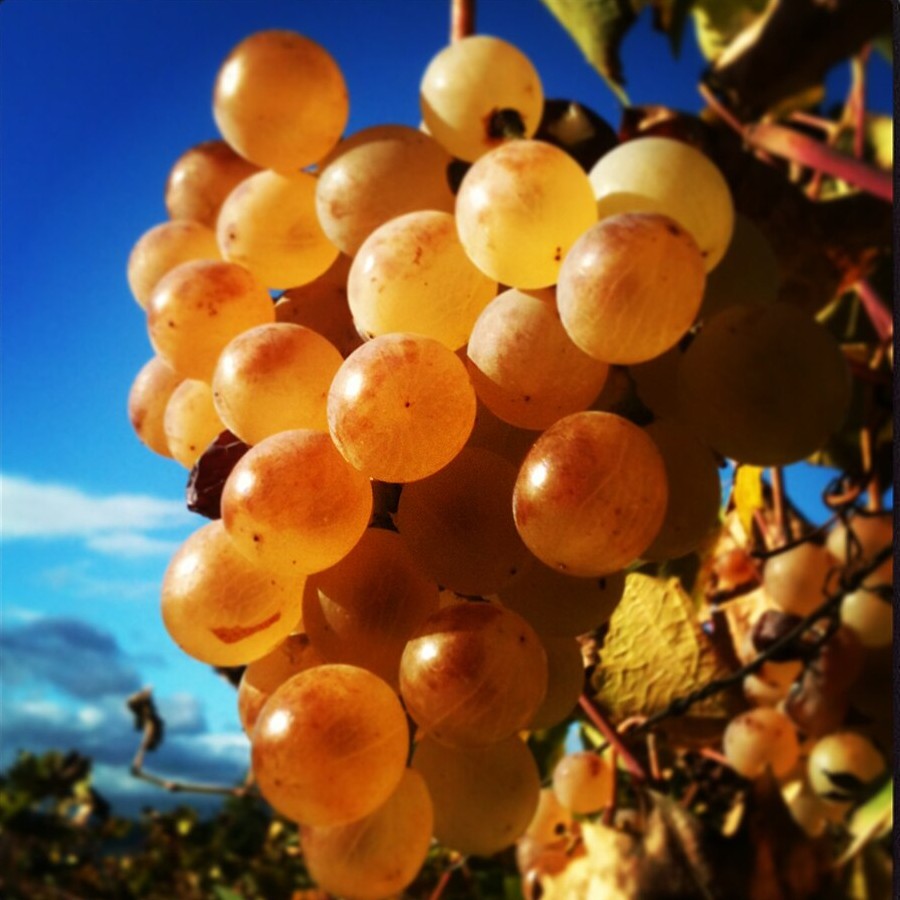
Muscat Grape Vitis vinifera 'Muscat of Alexandria'
“The Golden Perfumer”
Smells like honey, tastes like sunshine.
🐱 ⚠️ Unverified 🐶 Toxic 🧺 Grows fruit 🍇 Grape vine
Light full sun Water When the top inch dries (~weekly) Where Outdoor Winter Winter-hardy — stays outside year-round (to −18 °C) Difficulty Demanding · ~25 min/week · 💰💰 The science behind this match A yellow-gold, intensely fragrant grape that needs a long, hot summer, full sun, a sturdy trellis and a winter prune. In cooler areas grow it against a warm wall or in a greenhouse.
Photo: Jérôme Loubès, CC BY-SA 3.0 , via Wikimedia Commons
Growing reference: NC State Extension
Pet safety sources
Cats: not verified. The ASPCA's grape warning is written for dogs; cat toxicity isn't verified.
Dogs: toxic — ASPCA . Grapes and raisins can cause kidney failure in dogs.
Find my match Cathy DeWitt · CC BY 4.0
Muscadine Grape Vitis rotundifolia
“The Southern Sweet Talker”
Thick skins, thicker accent.
🐱 ⚠️ Unverified 🐶 Toxic 🧺 Grows fruit 🍇 Grape vine
Light full sun Water When the top inch dries (~weekly) Where Outdoor Winter Winter-hardy — stays outside year-round (to −18 °C) Difficulty Moderate · ~20 min/week · 💰💰 The science behind this match A heat-loving, disease-resistant grape for warm gardens. Grow on a strong wire or arbour.
Photo: Cathy DeWitt, CC BY 4.0 , via NC State Extension
Growing reference: NC State Extension
Pet safety sources
Cats: not verified. No species-specific ASPCA record found, so it isn't verified.
Dogs: toxic — ASPCA . Treated as toxic like other grapes; grapes and raisins can cause kidney failure in dogs.
Find my match Katja Schulz · CC BY 4.0
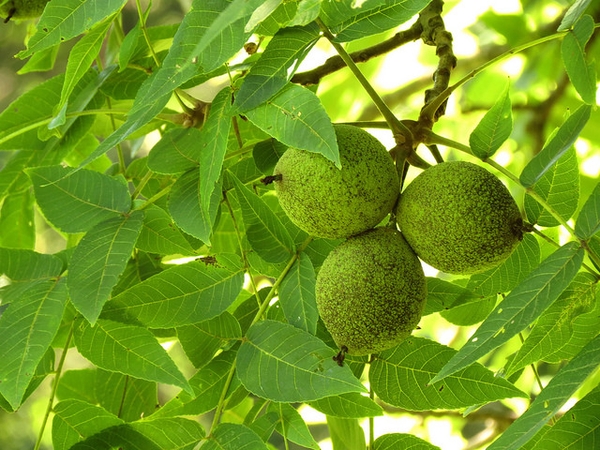
Black Walnut Juglans nigra
“The Grumpy Neighbour”
Won't share the garden. Or the nuts.
🐱 Non-toxic 🐶 Toxic 🌰 Nut tree
Light full sun Water When the top inch dries (~weekly) Where Outdoor Winter Winter-hardy — stays outside year-round (to −34 °C) Difficulty Moderate · ~8 min/week · 💰💰 The science behind this match A big, slow timber tree whose roots release juglone, which stunts tomatoes and many neighbours. Only for large gardens.
Photo: Katja Schulz, CC BY 4.0 , via NC State Extension
Growing reference: NC State Extension
Pet safety sources
Cats: non-toxic — ASPCA
Dogs: toxic — ASPCA
Find my match Manfred Heyde · CC BY-SA 3.0
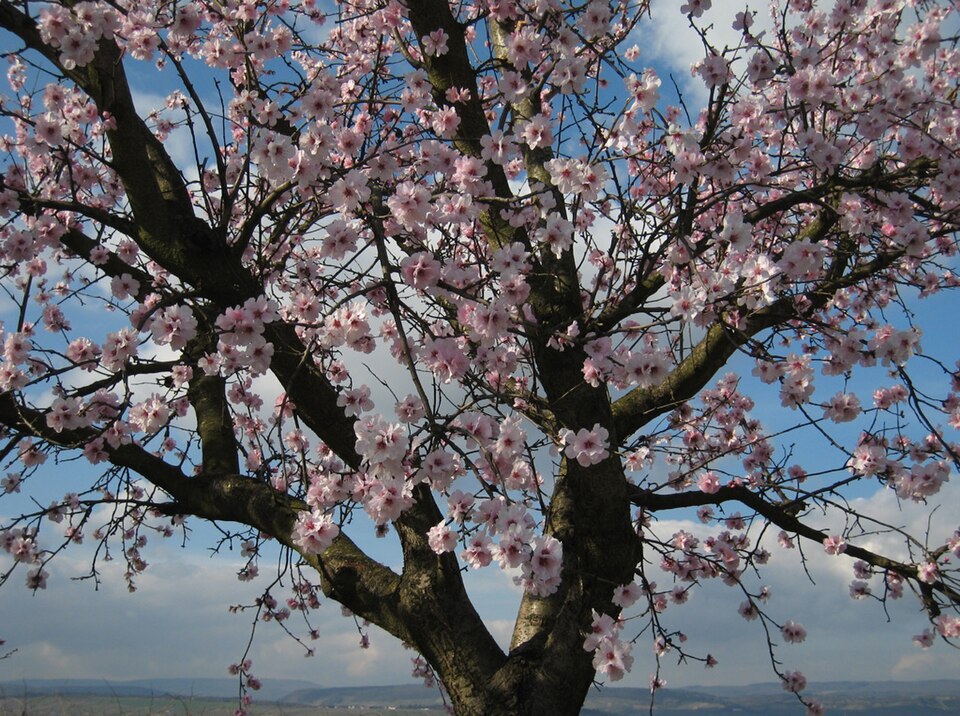
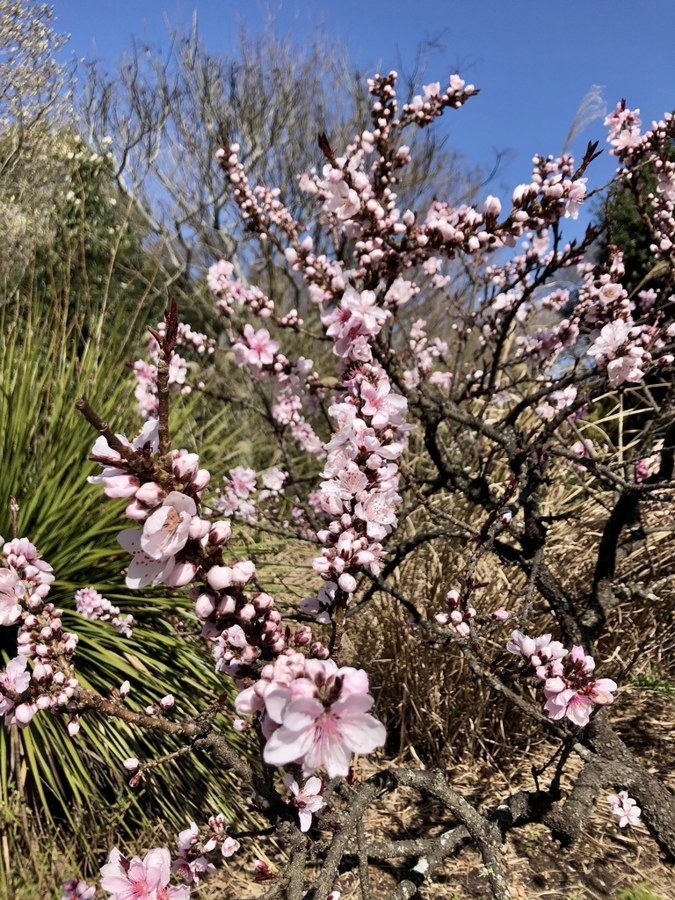
Almond Tree Prunus dulcis
“The Blossom Influencer”
Posts blossom pics in February.
🐱 ⚠️ Unverified 🐶 ⚠️ Unverified 🌰 Nut tree
Light full sun Water When the top inch dries (~weekly) Where Outdoor Winter Winter-hardy — stays outside year-round (to −18 °C) Difficulty Moderate · ~12 min/week · 💰💰 The science behind this match Flowers very early, so it needs a warm, dry, frost-free spring and full sun to set nuts.
Photo: Manfred Heyde, CC BY-SA 3.0 , via Wikimedia Commons
Pet safety sources
Cats: not verified. No species-specific ASPCA record found, so it isn't verified.
Dogs: not verified. No species-specific ASPCA record found, so it isn't verified.
Find my match James St. John · CC BY 2.0
Pecan Tree Carya illinoinensis
“The Pie Patriarch”
Huge tree, long game, great pie.
🐱 ⚠️ Unverified 🐶 ⚠️ Unverified 🌰 Nut tree
Light full sun Water When the top inch dries (~weekly) Where Outdoor Winter Winter-hardy — stays outside year-round (to −29 °C) Difficulty Moderate · ~10 min/week · 💰💰💰 The science behind this match Needs long hot summers, deep soil and lots of space. Plant two varieties for a good crop.
Photo: James St. John, CC BY 2.0 , via NC State Extension
Growing reference: NC State Extension
Pet safety sources
Cats: not verified. No species-specific ASPCA record found, so it isn't verified.
Dogs: not verified. No species-specific ASPCA record found, so it isn't verified.
Find my match Shawn Banks · CC BY-SA 4.0
Hazelnut Corylus avellana
“The Squirrel's Favourite Bush”
Grows nuts and squirrel drama.
🐱 ⚠️ Unverified 🐶 ⚠️ Unverified 🌰 Nut tree
Light part shade, part sun, full sun Water When the top inch dries (~weekly) Where Outdoor Winter Winter-hardy — stays outside year-round (to −34 °C) Difficulty Easy · ~6 min/week · 💰 The science behind this match A multi-stemmed shrub that copes with part shade and wind. Catkins in winter, nuts in autumn.
Photo: Shawn Banks, CC BY-SA 4.0 , via NC State Extension
Growing reference: NC State Extension
Pet safety sources
Cats: not verified. No species-specific ASPCA record found, so it isn't verified.
Dogs: not verified. No species-specific ASPCA record found, so it isn't verified.
Find my match Tom Glasgow · CC BY 4.0
Pampas Grass Cortaderia selloana
“The Feather Boa”
Big plumes, bigger personality.
🐱 Non-toxic 🐶 Non-toxic 🌾 Ornamental grass
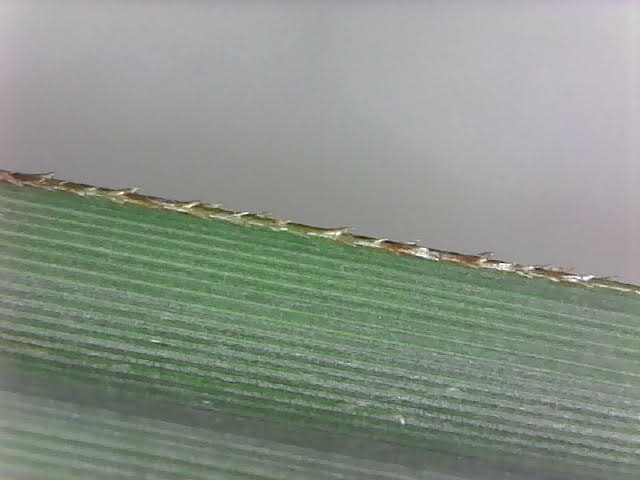
⚠️ Leaf edges are razor sharp; wear gloves and keep away from pets' and children's faces.
Light full sun Water Drought-tolerant (every 2–4 weeks) Where Outdoor Winter Winter-hardy — stays outside year-round (to −18 °C) Difficulty Easy · ~4 min/week · 💰💰 The science behind this match Drought-tough and dramatic. Wear gloves when cutting back. Invasive in some warm, wet regions — check locally first.
Photo: Tom Glasgow, CC BY 4.0 , via NC State Extension
Growing reference: NC State Extension
Pet safety sources
Cats: non-toxic — ASPCA . Non-toxic does not mean safe to chew: the leaf edges are razor sharp.
Dogs: non-toxic — ASPCA . Non-toxic does not mean safe to chew: the leaf edges are razor sharp.
Find my match Cathy Dewitt · CC BY 4.0
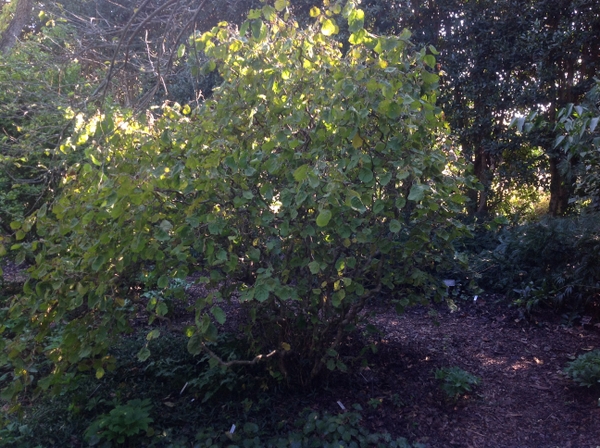
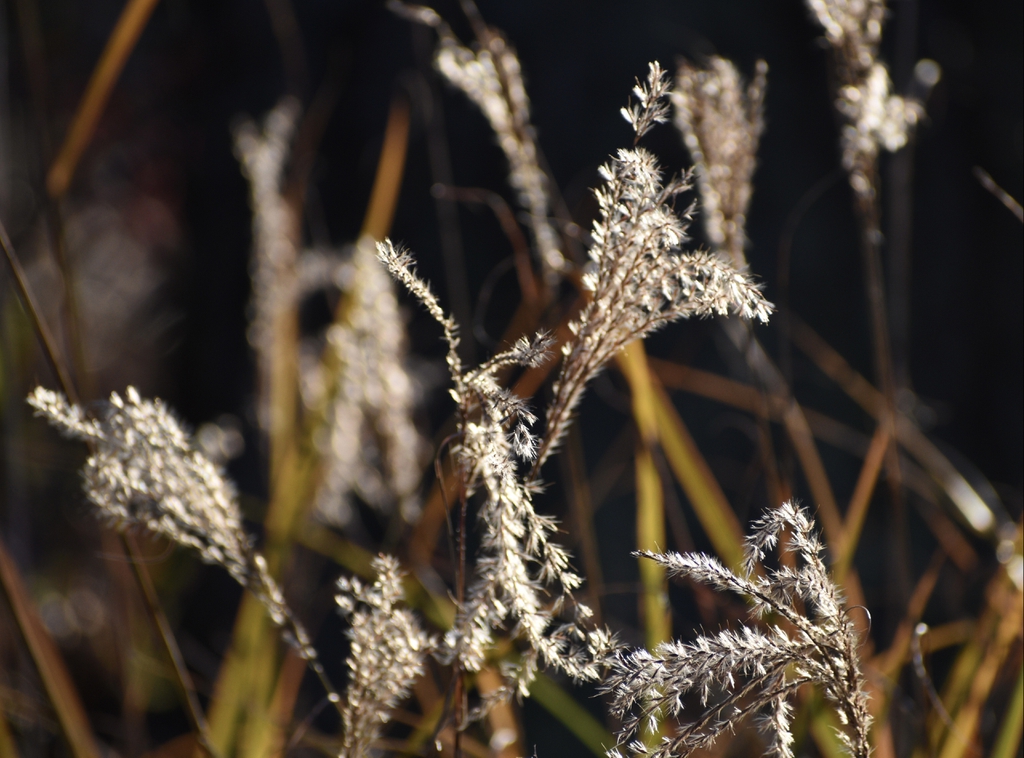
Maiden Grass Miscanthus sinensis
“The Swishy Dancer”
Sways like nobody's watching.
🐱 ⚠️ Unverified 🐶 ⚠️ Unverified 🌾 Ornamental grass
Light part sun, full sun Water When the top inch dries (~weekly) Where Outdoor Winter Winter-hardy — stays outside year-round (to −29 °C) Difficulty Easy · ~4 min/week · 💰💰 The science behind this match Easy fountain of arching leaves with silvery plumes; cut it back in late winter. Can self-seed in warm areas.
Photo: Cathy Dewitt, CC BY 4.0 , via NC State Extension
Growing reference: NC State Extension
Pet safety sources
Cats: not verified. No species-specific ASPCA record found, so it isn't verified.
Dogs: not verified. No species-specific ASPCA record found, so it isn't verified.
Find my match lecuyer.cedric · CC-BY-SA 2.0
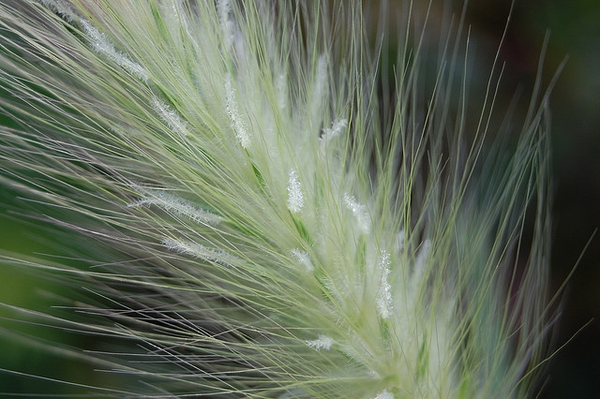
Fountain Grass Pennisetum alopecuroides (syn. Cenchrus purpurascens)
“The Bottlebrush Bopper”
Fluffy foxtails, no fuss.
🐱 ⚠️ Unverified 🐶 ⚠️ Unverified 🌾 Ornamental grass
Light part sun, full sun Water When the top inch dries (~weekly) Where Outdoor Winter Winter-hardy — stays outside year-round (to −29 °C) Difficulty Easy · ~4 min/week · 💰 The science behind this match A tidy mound with fuzzy late-summer plumes. Fine in big pots or borders; cut back each spring.
Photo: lecuyer.cedric, CC-BY-SA 2.0 , via NC State Extension
Growing reference: NC State Extension
Pet safety sources
Cats: not verified. The ASPCA record covers a different species (purple fountain grass), so this one isn't verified.
Dogs: not verified. The ASPCA record covers a different species (purple fountain grass), so this one isn't verified.
Find my match F. D. Richard · CC BY-SA 4.0
Feather Reed Grass Calamagrostis × acutiflora 'Karl Foerster'
“The Upright Citizen”
Stands tall, never flops.
🐱 ⚠️ Unverified 🐶 ⚠️ Unverified 🌾 Ornamental grass
Light part sun, full sun Water When the top inch dries (~weekly) Where Outdoor Winter Winter-hardy — stays outside year-round (to −34 °C) Difficulty Easy · ~3 min/week · 💰💰 The science behind this match Very early to grow, stays upright all winter, and copes with heavier soil. Trim to the ground in late winter.
Photo: F. D. Richard, CC BY-SA 4.0 , via NC State Extension
Growing reference: NC State Extension
Pet safety sources
Cats: not verified. No species-specific ASPCA record found, so it isn't verified.
Dogs: not verified. No species-specific ASPCA record found, so it isn't verified.
Find my match Retama · CC BY-SA 4.0
Cherry Laurel Prunus laurocerasus
“The Privacy Bouncer”
Blocks nosy neighbours fast.
🐱 ⚠️ Unverified 🐶 ⚠️ Unverified 🌳 Hedge
Light full shade, part shade, part sun, full sun Water When the top inch dries (~weekly) Where Outdoor Winter Winter-hardy — stays outside year-round (to −23 °C) Difficulty Easy · ~10 min/week · 💰💰 The science behind this match A fast, glossy evergreen hedge that tolerates shade. Trim with secateurs, not shears, to avoid ragged leaves. Leaves and seeds are poisonous.
Photo: Retama, CC BY-SA 4.0 , via NC State Extension
Growing reference: NC State Extension
Pet safety sources
Cats: not verified. Prunus species contain cyanogenic compounds; no species-specific ASPCA record, so treat as unsafe.
Dogs: not verified. Prunus species contain cyanogenic compounds; no species-specific ASPCA record, so treat as unsafe.
Find my match Daderot · CC0 1.0
Portugal Laurel Prunus lusitanica
“The Posh Hedge”
Laurel, but make it formal.
🐱 ⚠️ Unverified 🐶 ⚠️ Unverified 🌳 Hedge
Light part shade, part sun, full sun Water When the top inch dries (~weekly) Where Outdoor Winter Winter-hardy — stays outside year-round (to −18 °C) Difficulty Easy · ~10 min/week · 💰💰 The science behind this match Dark glossy leaves on red stalks, slower and neater than cherry laurel. Copes with wind and chalky soil.
Photo: Daderot, CC0 1.0 , via NC State Extension
Growing reference: NC State Extension
Pet safety sources
Cats: not verified. Prunus species contain cyanogenic compounds; no species-specific ASPCA record, so treat as unsafe.
Dogs: not verified. Prunus species contain cyanogenic compounds; no species-specific ASPCA record, so treat as unsafe.
Find my match Garten_TU_Darmstadt · CC BY 2.0
Common Boxwood Buxus sempervirens
“The Topiary Butler”
Shapes itself into anything you like.
🐱 Toxic 🐶 Toxic 🌳 Hedge
Light part shade, part sun, full sun Water When the top inch dries (~weekly) Where Outdoor Winter Winter-hardy — stays outside year-round (to −29 °C) Difficulty Moderate · ~10 min/week · 💰💰 The science behind this match The classic clipped edging. Trim after midsummer and watch for box blight and box moth.
Photo: Garten_TU_Darmstadt, CC BY 2.0 , via NC State Extension
Growing reference: NC State Extension
Pet safety sources
Cats: toxic — ASPCA
Dogs: toxic — ASPCA
Find my match Megan Hansen · CC-BY-SA 2.0
Japanese Privet Ligustrum japonicum
“The Speedy Screen”
Grows faster than your excuses.
🐱 Toxic 🐶 Toxic 🌳 Hedge
Light part shade, part sun, full sun Water When the top inch dries (~weekly) Where Outdoor Winter Winter-hardy — stays outside year-round (to −18 °C) Difficulty Easy · ~10 min/week · 💰 The science behind this match A tough, quick evergreen screen for sun or part shade. Clip two or three times a summer to keep it dense.
Photo: Megan Hansen, CC-BY-SA 2.0 , via NC State Extension
Growing reference: NC State Extension
Pet safety sources
Cats: toxic — ASPCA
Dogs: toxic — ASPCA
Find my match David J. Stang · CC BY-SA 4.0
Rugosa Rose Rosa rugosa
“The Beach Bum”
Laughs at salt spray and sandy soil.
🐱 Non-toxic 🐶 Non-toxic 🌹 Rose
⚠️ Thorns can scratch skin, mouths and paws; wear gloves when pruning.
Light part sun, full sun Water Drought-tolerant (every 2–4 weeks) Where Outdoor Winter Winter-hardy — stays outside year-round (to −46 °C) Difficulty Easy · ~6 min/week · 💰💰 The science behind this match A tough, disease-resistant shrub with scented flowers and big tomato-like hips. Very hardy and wind-proof.
Photo: David J. Stang, CC BY-SA 4.0 , via NC State Extension
Growing reference: NC State Extension
Pet safety sources
Cats: non-toxic — ASPCA . ASPCA lists Rosa species as non-toxic; thorns can still injure mouths and paws.
Dogs: non-toxic — ASPCA . ASPCA lists Rosa species as non-toxic; thorns can still injure mouths and paws.
Find my match Leonora (Ellie) Enking · CC-BY-SA 2.0
Yellow Lady Banks Rose Rosa banksiae 'Lutea'
“The Sunshine Waterfall”
Thornless cascades of buttery yellow.
🐱 Non-toxic 🐶 Non-toxic 🌹 Rose
Light part sun, full sun Water Drought-tolerant (every 2–4 weeks) Where Outdoor Winter Winter-hardy — stays outside year-round (to −18 °C) Difficulty Easy · ~8 min/week · 💰💰 The science behind this match A vigorous, almost thornless climber that smothers itself in small yellow flowers each spring. Needs a big support.
Photo: Leonora (Ellie) Enking, CC-BY-SA 2.0 , via NC State Extension
Growing reference: NC State Extension
Pet safety sources
Cats: non-toxic — ASPCA . ASPCA lists Rosa species as non-toxic; thorns can still injure mouths and paws.
Dogs: non-toxic — ASPCA . ASPCA lists Rosa species as non-toxic; thorns can still injure mouths and paws.
Find my match K. Yamada · CC-BY-SA 2.0
Cherokee Rose Rosa laevigata
“The Southern Rambler”
Big white blooms, bigger ambitions.
🐱 Non-toxic 🐶 Non-toxic 🌹 Rose
⚠️ Thorns can scratch skin, mouths and paws; wear gloves when pruning.
Light part sun, full sun Water When the top inch dries (~weekly) Where Outdoor Winter Winter-hardy — stays outside year-round (to −18 °C) Difficulty Moderate · ~10 min/week · 💰💰 The science behind this match A vigorous evergreen climber for warm gardens. Needs lots of room and a sturdy support.
Photo: K. Yamada, CC-BY-SA 2.0 , via NC State Extension
Growing reference: NC State Extension
Pet safety sources
Cats: non-toxic — ASPCA . ASPCA lists Rosa species as non-toxic; thorns can still injure mouths and paws.
Dogs: non-toxic — ASPCA . ASPCA lists Rosa species as non-toxic; thorns can still injure mouths and paws.
Find my match Malcolm Manners · CC BY 2.0
Swamp Rose Rosa palustris
“The Bog Romantic”
The rare rose that loves wet feet.
🐱 Non-toxic 🐶 Non-toxic 🌹 Rose
⚠️ Thorns can scratch skin, mouths and paws; wear gloves when pruning.
Light part sun, full sun Water Keep evenly moist (frequent) Where Outdoor Winter Winter-hardy — stays outside year-round (to −34 °C) Difficulty Easy · ~8 min/week · 💰💰 The science behind this match A native shrub rose that thrives in damp, boggy soil where other roses would sulk.
Photo: Malcolm Manners, CC BY 2.0 , via NC State Extension
Growing reference: NC State Extension
Pet safety sources
Cats: non-toxic — ASPCA . ASPCA lists Rosa species as non-toxic; thorns can still injure mouths and paws.
Dogs: non-toxic — ASPCA . ASPCA lists Rosa species as non-toxic; thorns can still injure mouths and paws.
Find my match Malcolm Manners · CC BY 2.0
Carolina Rose Rosa carolina
“The Meadow Sweetheart”
Wild, low and low-fuss.
🐱 Non-toxic 🐶 Non-toxic 🌹 Rose
⚠️ Thorns can scratch skin, mouths and paws; wear gloves when pruning.
Light part sun, full sun Water Drought-tolerant (every 2–4 weeks) Where Outdoor Winter Winter-hardy — stays outside year-round (to −34 °C) Difficulty Easy · ~5 min/week · 💰 The science behind this match A short native rose for dry, sunny spots. Spreads gently and feeds pollinators.
Photo: Malcolm Manners, CC BY 2.0 , via NC State Extension
Growing reference: NC State Extension
Pet safety sources
Cats: non-toxic — ASPCA . ASPCA lists Rosa species as non-toxic; thorns can still injure mouths and paws.
Dogs: non-toxic — ASPCA . ASPCA lists Rosa species as non-toxic; thorns can still injure mouths and paws.
Find my match Krzysztof Ziarnek, Kenraiz · CC BY-SA 4.0
Prairie Rose Rosa setigera
“The Late Bloomer”
Flowers when the others have finished.
🐱 Non-toxic 🐶 Non-toxic 🌹 Rose
⚠️ Thorns can scratch skin, mouths and paws; wear gloves when pruning.
Light part sun, full sun Water When the top inch dries (~weekly) Where Outdoor Winter Winter-hardy — stays outside year-round (to −34 °C) Difficulty Easy · ~8 min/week · 💰 The science behind this match A hardy native climber or sprawling shrub that blooms in midsummer. Train it on a fence.
Photo: Krzysztof Ziarnek, Kenraiz, CC BY-SA 4.0 , via NC State Extension
Growing reference: NC State Extension
Pet safety sources
Cats: non-toxic — ASPCA . ASPCA lists Rosa species as non-toxic; thorns can still injure mouths and paws.
Dogs: non-toxic — ASPCA . ASPCA lists Rosa species as non-toxic; thorns can still injure mouths and paws.
Find my match magnolia1000 · CC BY 2.0
Virginia Rose Rosa virginiana
“The Four-Season Wildling”
Pink flowers, red hips, fiery autumn.
🐱 Non-toxic 🐶 Non-toxic 🌹 Rose
⚠️ Thorns can scratch skin, mouths and paws; wear gloves when pruning.
Light part sun, full sun Water When the top inch dries (~weekly) Where Outdoor Winter Winter-hardy — stays outside year-round (to −40 °C) Difficulty Easy · ~5 min/week · 💰 The science behind this match A tough native shrub with glossy leaves and few thorns for a rose. Copes with poor soil.
Photo: magnolia1000, CC BY 2.0 , via NC State Extension
Growing reference: NC State Extension
Pet safety sources
Cats: non-toxic — ASPCA . ASPCA lists Rosa species as non-toxic; thorns can still injure mouths and paws.
Dogs: non-toxic — ASPCA . ASPCA lists Rosa species as non-toxic; thorns can still injure mouths and paws.
Find my match Salicyna · CC BY-SA 4.0
Burnet Rose Rosa spinosissima
“The Scottish Bristler”
Extremely prickly, extremely tough.
🐱 Non-toxic 🐶 Non-toxic 🌹 Rose
⚠️ Thorns can scratch skin, mouths and paws; wear gloves when pruning.
Light part sun, full sun Water Drought-tolerant (every 2–4 weeks) Where Outdoor Winter Winter-hardy — stays outside year-round (to −40 °C) Difficulty Easy · ~4 min/week · 💰 The science behind this match A compact suckering shrub for sandy, windy, coastal spots with creamy blooms and dark hips.
Photo: Salicyna, CC BY-SA 4.0 , via NC State Extension
Growing reference: NC State Extension
Pet safety sources
Cats: non-toxic — ASPCA . ASPCA lists Rosa species as non-toxic; thorns can still injure mouths and paws.
Dogs: non-toxic — ASPCA . ASPCA lists Rosa species as non-toxic; thorns can still injure mouths and paws.
Find my match Salicyna · CC BY-SA 4.0
'New Dawn' Climbing Rose Rosa 'New Dawn'
“The Blush Climber”
Climbs walls, repeats blooms.
🐱 Non-toxic 🐶 Non-toxic 🌹 Rose
⚠️ Thorns can scratch skin, mouths and paws; wear gloves when pruning.
Light part sun, full sun Water When the top inch dries (~weekly) Where Outdoor Winter Winter-hardy — stays outside year-round (to −29 °C) Difficulty Moderate · ~15 min/week · 💰💰 The science behind this match A reliable, repeat-flowering pale pink climber that copes with a little shade. Tie into a trellis.
Photo: Salicyna, CC BY-SA 4.0 , via NC State Extension
Growing reference: NC State Extension
Pet safety sources
Cats: non-toxic — ASPCA . ASPCA lists Rosa species as non-toxic; thorns can still injure mouths and paws.
Dogs: non-toxic — ASPCA . ASPCA lists Rosa species as non-toxic; thorns can still injure mouths and paws.
Find my match Salicyna · CC BY-SA 4.0
'Old Blush' China Rose Rosa 'Old Blush'
“The Monthly Rose”
Blooms almost all year in mild areas.
🐱 Non-toxic 🐶 Non-toxic 🌹 Rose
⚠️ Thorns can scratch skin, mouths and paws; wear gloves when pruning.
Light part sun, full sun Water When the top inch dries (~weekly) Where Outdoor Winter Winter-hardy — stays outside year-round (to −23 °C) Difficulty Moderate · ~12 min/week · 💰💰 The science behind this match A historic China rose with soft pink flowers in flushes from spring to frost.
Photo: Salicyna, CC BY-SA 4.0 , via NC State Extension
Growing reference: NC State Extension
Pet safety sources
Cats: non-toxic — ASPCA . ASPCA lists Rosa species as non-toxic; thorns can still injure mouths and paws.
Dogs: non-toxic — ASPCA . ASPCA lists Rosa species as non-toxic; thorns can still injure mouths and paws.
Find my match Manu · CC-BY-SA 2.0
'The Fairy' Polyantha Rose Rosa 'The Fairy'
“The Tiny Pink Party”
Hundreds of small pink pom-poms.
🐱 Non-toxic 🐶 Non-toxic 🌹 Rose
⚠️ Thorns can scratch skin, mouths and paws; wear gloves when pruning.
Light part sun, full sun Water When the top inch dries (~weekly) Where Outdoor Winter Winter-hardy — stays outside year-round (to −29 °C) Difficulty Easy · ~8 min/week · 💰 The science behind this match A low, spreading rose that flowers late and long. Great in containers and borders.
Photo: Manu, CC-BY-SA 2.0 , via NC State Extension
Growing reference: NC State Extension
Pet safety sources
Cats: non-toxic — ASPCA . ASPCA lists Rosa species as non-toxic; thorns can still injure mouths and paws.
Dogs: non-toxic — ASPCA . ASPCA lists Rosa species as non-toxic; thorns can still injure mouths and paws.
Find my match Susan Broderick · CC BY 4.0
'Mister Lincoln' Hybrid Tea Rose Rosa 'Mister Lincoln'
“The Velvet Statesman”
Dark red, strongly scented, demanding.
🐱 Non-toxic 🐶 Non-toxic 🌹 Rose
⚠️ Thorns can scratch skin, mouths and paws; wear gloves when pruning.
Light full sun Water When the top inch dries (~weekly) Where Outdoor Winter Winter-hardy — stays outside year-round (to −29 °C) Difficulty Demanding · ~25 min/week · 💰💰💰 The science behind this match A classic long-stemmed cutting rose. Needs full sun, regular feeding, pruning and disease watch.
Photo: Susan Broderick, CC BY 4.0 , via NC State Extension
Growing reference: NC State Extension
Pet safety sources
Cats: non-toxic — ASPCA . ASPCA lists Rosa species as non-toxic; thorns can still injure mouths and paws.
Dogs: non-toxic — ASPCA . ASPCA lists Rosa species as non-toxic; thorns can still injure mouths and paws.
Find my match Ryan Somma · CC-BY-SA 2.0
'Don Juan' Climbing Rose Rosa 'Don Juan'
“The Red-Velvet Charmer”
Climbs your wall, steals your heart.
🐱 Non-toxic 🐶 Non-toxic 🌹 Rose
⚠️ Thorns can scratch skin, mouths and paws; wear gloves when pruning.
Light full sun Water When the top inch dries (~weekly) Where Outdoor Winter Winter-hardy — stays outside year-round (to −29 °C) Difficulty Moderate · ~18 min/week · 💰💰 The science behind this match A fragrant dark-red climber for a sunny wall or pillar. Feed and deadhead for repeat blooms.
Photo: Ryan Somma, CC-BY-SA 2.0 , via NC State Extension
Growing reference: NC State Extension
Pet safety sources
Cats: non-toxic — ASPCA . ASPCA lists Rosa species as non-toxic; thorns can still injure mouths and paws.
Dogs: non-toxic — ASPCA . ASPCA lists Rosa species as non-toxic; thorns can still injure mouths and paws.
Find my match T.Kiya · CC-BY-SA 2.0
'Zéphirine Drouhin' Rose Rosa 'Zéphirine Drouhin'
“The Thornless Flirt”
Nearly thornless and very fragrant.
🐱 Non-toxic 🐶 Non-toxic 🌹 Rose
Light part shade, part sun, full sun Water When the top inch dries (~weekly) Where Outdoor Winter Winter-hardy — stays outside year-round (to −29 °C) Difficulty Moderate · ~15 min/week · 💰💰 The science behind this match A Bourbon climber with cerise-pink, perfumed flowers. Tolerates part shade better than most roses.
Photo: T.Kiya, CC-BY-SA 2.0 , via NC State Extension
Growing reference: NC State Extension
Pet safety sources
Cats: non-toxic — ASPCA . ASPCA lists Rosa species as non-toxic; thorns can still injure mouths and paws.
Dogs: non-toxic — ASPCA . ASPCA lists Rosa species as non-toxic; thorns can still injure mouths and paws.
Find my match Stan Shebs · CC BY-SA 3.0
'Robusta' Rugosa Rose Rosa Robusta 'KORgosa'
“The Hedge Bodyguard”
Red flowers on a prickly fortress.
🐱 Non-toxic 🐶 Non-toxic 🌹 Rose
⚠️ Thorns can scratch skin, mouths and paws; wear gloves when pruning.
Light part sun, full sun Water When the top inch dries (~weekly) Where Outdoor Winter Winter-hardy — stays outside year-round (to −34 °C) Difficulty Easy · ~8 min/week · 💰💰 The science behind this match A tall, disease-resistant hybrid rugosa that makes a dense, flowering hedge.
Photo: Stan Shebs, CC BY-SA 3.0 , via NC State Extension
Growing reference: NC State Extension
Pet safety sources
Cats: non-toxic — ASPCA . ASPCA lists Rosa species as non-toxic; thorns can still injure mouths and paws.
Dogs: non-toxic — ASPCA . ASPCA lists Rosa species as non-toxic; thorns can still injure mouths and paws.
Find my match John Haslam · CC BY 2.0
Common Heather Calluna vulgaris
“The Moorland Minimalist”
Purple flowers. Strong opinions about soil.
🐱 ⚠️ Unverified 🐶 ⚠️ Unverified
Native to: United Kingdom, Ireland, Germany, France, Netherlands, Belgium, Spain, Portugal, Italy, Switzerland, Austria, Sweden, Norway, Denmark, Poland
Light part sun, full sun Water When the top inch dries (~weekly) Where Outdoor Winter Winter-hardy — stays outside year-round (to −34 °C) Difficulty Moderate · ~8 min/week · 💰💰 The science behind this match Needs acidic, freely draining soil, steady moisture while establishing and light trimming after flowering. Hates hot, humid summers; the conservative hardiness range follows the growing reference.
Photo: John Haslam, CC BY 2.0 , via NC State Extension
Growing reference: NC State Extension
Native range: Kew Plants of the World Online . Native across the listed European countries; introduced, not native, in Canada and New Zealand. Native within parts of these countries, not necessarily your postcode; growing conditions and pet checks still apply.
Pet safety sources
Cats: not verified. Species-specific cat/dog toxicity is not verified; excluded for owners of this animal.
Dogs: not verified. Species-specific cat/dog toxicity is not verified; excluded for owners of this animal.
Find my match Patty Felder · CC BY 4.0
Canadian Columbine Aquilegia canadensis
“The Woodland Chandelier”
Red bells. Yellow tassels. Woodland glamour.
🐱 ⚠️ Unverified 🐶 ⚠️ Unverified
Native to: United States, Canada
Light part shade, part sun, full sun Water When the top inch dries (~weekly) Where Outdoor Winter Winter-hardy — stays outside year-round (to −40 °C) Difficulty Easy · ~8 min/week · 💰💰 The science behind this match A spring-flowering perennial for moist, well-drained soil. Afternoon shade helps in warmer areas. Can self-seed; not a food plant.
Photo: Patty Felder, CC BY 4.0 , via NC State Extension
Growing reference: NC State Extension
Native range: Canadian Columbine distribution (Flora of North America references) . Native to eastern North America, including the United States and southern Canada. Native within parts of these countries, not necessarily your postcode; growing conditions and pet checks still apply.
Pet safety sources
Cats: not verified. Species-specific cat/dog toxicity is not verified; excluded for owners of this animal.
Dogs: not verified. Species-specific cat/dog toxicity is not verified; excluded for owners of this animal.
Find my match 阿橋 HQ · CC-BY-SA 2.0
Tall Kangaroo Paw Anigozanthos flavidus
“The Fuzzy High-Fiver”
Fuzzy flowers with excellent jazz hands.
🐱 ⚠️ Unverified 🐶 ⚠️ Unverified
Native to: Australia
Light part sun, full sun Water When the top inch dries (~weekly) Where Outdoor Winter Frost-sensitive — bring indoors when nights drop below +1 °C Difficulty Moderate · ~8 min/week · 💰💰 The science behind this match Grow in a sunny, frost-free site with freely draining soil. Water during growth without keeping roots soggy; remove old flower stems and avoid high-phosphorus feeding.
Photo: 阿橋 HQ, CC-BY-SA 2.0 , via NC State Extension
Growing reference: NC State Extension
Native range: Kew Plants of the World Online . Native to southwestern Western Australia, not all Australian regions. Native within parts of these countries, not necessarily your postcode; growing conditions and pet checks still apply.
Pet safety sources
Cats: not verified. Species-specific cat/dog toxicity is not verified; excluded for owners of this animal.
Dogs: not verified. Species-specific cat/dog toxicity is not verified; excluded for owners of this animal.
Find my match Purdyrns · CC BY 2.0
New Zealand Flax (Harakeke) Phormium tenax
“The Coastal Wind Warrior”
Windblown hair. Absolutely unbothered.
🐱 ⚠️ Unverified 🐶 ⚠️ Unverified
Native to: New Zealand
Light part sun, full sun Water When the top inch dries (~weekly) Where Outdoor Winter Frost-sensitive — bring indoors when nights drop below −5 °C Difficulty Easy · ~8 min/week · 💰💰 The science behind this match A large, evergreen perennial, not a true grass. Give it room, good drainage and water during establishment. Tolerates coastal salt and wind; remove damaged leaves at their base.
Photo: Purdyrns, CC BY 2.0 , via NC State Extension
Growing reference: NC State Extension
Native range: Kew Plants of the World Online . Native to New Zealand and Norfolk Island; introduced in many other regions. Native within parts of these countries, not necessarily your postcode; growing conditions and pet checks still apply.
Pet safety sources
Cats: not verified. Species-specific cat/dog toxicity is not verified; excluded for owners of this animal.
Dogs: not verified. Species-specific cat/dog toxicity is not verified; excluded for owners of this animal.
Find my match Guérin Nicolas · CC BY-SA 3.0
Bush Lily (Clivia) Clivia miniata
“The Orange Shade Performer”
Sun? No thanks. Spotlight? Absolutely.
🐱 Toxic 🐶 Toxic
Native to: South Africa
Light indirect light, bright indirect light Water When the top inch dries (~weekly) Where Indoor, or outdoor Winter Frost-sensitive — bring indoors when nights drop below −5 °C Difficulty Moderate · ~8 min/week · 💰💰 The science behind this match Likes bright indirect light indoors or dappled shade outdoors, drained compost and drying between drinks. Give a cooler, drier winter rest; protect from frost. Toxic to pets.
Photo: Guérin Nicolas, CC BY-SA 3.0 , via NC State Extension
Growing reference: NC State Extension
Native range: Kew Plants of the World Online . Native to parts of South Africa and Eswatini. Native within parts of these countries, not necessarily your postcode; growing conditions and pet checks still apply.
Pet safety sources
Cats: toxic — Pet Poison Helpline . Clivia miniata contains lycorine; toxic to companion animals.
Dogs: toxic — Pet Poison Helpline . Clivia miniata contains lycorine; toxic to companion animals.
Find my match Maja Dumat · CC BY 2.0
Poet’s Jasmine Jasminum officinale
“The Perfumed Wall Climber”
Climbs the wall. Perfumes the neighbourhood.
🐱 Non-toxic 🐶 Non-toxic
Native to: India
Light part sun, full sun Water When the top inch dries (~weekly) Where Outdoor Winter Survives frost to −12 °C — protect with fleece in hard frosts Difficulty Moderate · ~8 min/week · 💰💰 The science behind this match A vigorous climber needing a trellis, sheltered sun or part shade and moist, well-drained soil. Prune after flowering. Zone 8 is a conservative whole-zone minimum because the guide starts at 7b. ASPCA lists true Jasminum species as non-toxic; do not confuse it with toxic plants sharing the name jasmine.
Photo: Maja Dumat, CC BY 2.0 , via NC State Extension
Growing reference: NC State Extension
Native range: Kew Plants of the World Online . Native range includes the West and East Himalaya in northern India, not India as a whole. Native within parts of these countries, not necessarily your postcode; growing conditions and pet checks still apply.
Pet safety sources
Cats: non-toxic — ASPCA
Dogs: non-toxic — ASPCA
Find my match Cathy Dewitt · CC BY 4.0
Japanese Camellia Camellia japonica
“The Winter Rose Impersonator”
Winter flowers. Summer shade. Year-round elegance.
🐱 Non-toxic 🐶 Non-toxic
Native to: Japan
Light part shade, part sun Water When the top inch dries (~weekly) Where Outdoor Winter Winter-hardy — stays outside year-round (to −18 °C) Difficulty Moderate · ~8 min/week · 💰💰 The science behind this match Needs acidic, humus-rich, well-drained soil and consistent moisture. Shelter from drying winds and hot afternoon sun. Use an acid-loving plant feed after flowering; never let its roots sit in water.
Photo: Cathy Dewitt, CC BY 4.0 , via NC State Extension
Growing reference: NC State Extension
Native range: Kew Plants of the World Online . Native to central and southern Japan, as well as parts of China, Korea and Taiwan. Native within parts of these countries, not necessarily your postcode; growing conditions and pet checks still apply.
Pet safety sources
Cats: non-toxic — ASPCA
Dogs: non-toxic — ASPCA
Find my match Bahudhara · CC BY-SA 3.0
Lilly Pilly (Acmena smithii) Syzygium smithii (syn. Acmena smithii)
“The Glossy Privacy Guard”
The Glossy Privacy Guard. Ready to move into your garden.
🐱 ⚠️ Unverified 🐶 ⚠️ Unverified 🌳 Hedge
Light part sun, full sun Water When the top inch dries (~weekly) Where Outdoor Winter Frost-sensitive — bring indoors when nights drop below −5 °C Difficulty Moderate · ~15 min/week · 💰💰 The science behind this match A large evergreen Australian lilly pilly for clipped hedges or screens. Grow in sun or part shade, water during establishment and trim regularly. Protect young plants from frost; the outdoor range is a conservative mild-climate guide, not a cultivar frost guarantee.
Photo: Bahudhara, CC BY-SA 3.0 , via Wikimedia Commons
Growing reference: Speciality Trees — Lilly Pilly hedging guide
Pet safety sources
Cats: not verified. No species-specific veterinary cat/dog safety record verified; excluded from matches for owners of this animal.
Dogs: not verified. No species-specific veterinary cat/dog safety record verified; excluded from matches for owners of this animal.
Find my match Tatiana Gerus · CC BY-SA 2.0
Weeping Lilly Pilly (Waterhousea floribunda) Syzygium floribundum (syn. Waterhousea floribunda)
“The Curtain of Calm”
The Curtain of Calm. Ready to move into your garden.
🐱 ⚠️ Unverified 🐶 ⚠️ Unverified 🌳 Hedge
Light part sun, full sun Water Keep evenly moist (frequent) Where Outdoor Winter Frost-sensitive — bring indoors when nights drop below −5 °C Difficulty Moderate · ~15 min/week · 💰💰 The science behind this match A rainforest tree with wavy leaves and gently weeping branches. Makes a tall screen with regular pruning; needs room, enriched well-drained soil and supplementary water in dry weather. Protect from heavy frost; zones are a conservative mild-climate guide.
Photo: Tatiana Gerus, CC BY-SA 2.0 , via Wikimedia Commons
Growing reference: Australian Plants Society
Pet safety sources
Cats: not verified. No species-specific veterinary cat/dog safety record verified; excluded from matches for owners of this animal.
Dogs: not verified. No species-specific veterinary cat/dog safety record verified; excluded from matches for owners of this animal.
Find my match Nancy Kurul · CC BY-SA 4.0
'Kay Parris' Magnolia Magnolia grandiflora 'Kay Parris'
“The Velvet Privacy Queen”
The Velvet Privacy Queen. Ready to move into your garden.
🐱 ⚠️ Unverified 🐶 ⚠️ Unverified 🌸 Magnolia 🌳 Hedge
Light part sun, full sun Water When the top inch dries (~weekly) Where Outdoor Winter Winter-hardy — stays outside year-round (to −23 °C) Difficulty Moderate · ~15 min/week · 💰💰 The science behind this match A densely branched evergreen magnolia for a tall hedge or living screen. Glossy leaves have rusty velvet undersides. Keep soil moist but well drained, mulch without burying the trunk and prune lightly to shape. Eventually a large shrub or small tree, not a tiny border plant.
Photo: Nancy Kurul, CC BY-SA 4.0 , via NC State Extension
Growing reference: NC State Extension
Pet safety sources
Cats: not verified. No species-specific veterinary cat/dog safety record verified; excluded from matches for owners of this animal.
Dogs: not verified. No species-specific veterinary cat/dog safety record verified; excluded from matches for owners of this animal.
Find my match H. Zell · CC BY-SA 3.0
European Olive Olea europaea
“The Silver Mediterranean Screen”
The Silver Mediterranean Screen. Ready to move into your garden.
🐱 ⚠️ Unverified 🐶 ⚠️ Unverified 🌳 Hedge
Light full sun Water Drought-tolerant (every 2–4 weeks) Where Outdoor Winter Survives frost to −12 °C — protect with fleece in hard frosts Difficulty Moderate · ~15 min/week · 💰💰 The science behind this match Silver-backed evergreen leaves make a sun-loving informal hedge. Needs excellent drainage; water while establishing, then allow drying between drinks. Clip to shape; frequent trimming reduces fruiting. Harvested olives require curing before eating.
Photo: H. Zell, CC BY-SA 3.0 , via NC State Extension
Growing reference: NC State Extension
Pet safety sources
Cats: not verified. No species-specific veterinary cat/dog safety record verified; excluded from matches for owners of this animal.
Dogs: not verified. No species-specific veterinary cat/dog safety record verified; excluded from matches for owners of this animal.
Find my match Species photo; cultivar/rootstock not pictured
Forest and Kim Starr (species photo; cultivar not verified) · CC BY 2.0
'Flash' Hill’s Fig Ficus microcarpa var. hillii 'Flash'
“The Fast Privacy Fix”
The Fast Privacy Fix. Ready to move into your garden.
🐱 ⚠️ Unverified 🐶 ⚠️ Unverified 🌳 Hedge
⚠️ Vigorous roots can damage paving, drains and foundations; plant well away from structures.
Light part sun, full sun Water When the top inch dries (~weekly) Where Outdoor Winter Frost-sensitive — bring indoors when nights drop below −5 °C Difficulty Moderate · ~15 min/week · 💰💰 The science behind this match A fast-growing evergreen fig used for clipped screens in mild climates. Water during establishment and trim regularly. Keep far from drains, foundations and paving: roots can be vigorous and damaging. Protect young trees from frost. Species photo shown; it is not a verified Flash cultivar portrait.
Photo: Forest and Kim Starr (species photo; cultivar not verified), CC BY 2.0 , via NC State Extension
Growing reference: Ficus Flash cultivar growing guide
Pet safety sources
Cats: not verified. No species-specific veterinary cat/dog safety record verified; excluded from matches for owners of this animal.
Dogs: not verified. No species-specific veterinary cat/dog safety record verified; excluded from matches for owners of this animal.
Find my match F.D. Richards · CC-BY-SA 2.0
Thuja (American Arborvitae) Thuja occidentalis
“The Evergreen Fence”
The Evergreen Fence. Ready to move into your garden.
🐱 ⚠️ Unverified 🐶 ⚠️ Unverified 🌳 Hedge
Light part sun, full sun Water When the top inch dries (~weekly) Where Outdoor Winter Winter-hardy — stays outside year-round (to −40 °C) Difficulty Moderate · ~15 min/week · 💰💰 The science behind this match A hardy evergreen conifer for dense hedges. Grow in moist, well-drained soil; water in dry periods and trim lightly without cutting back into bare old wood. Avoid hot dry sites. Mature size depends on cultivar; this entry represents the species.
Photo: F.D. Richards, CC-BY-SA 2.0 , via NC State Extension
Growing reference: NC State Extension
Pet safety sources
Cats: not verified. No species-specific veterinary cat/dog safety record verified; excluded from matches for owners of this animal.
Dogs: not verified. No species-specific veterinary cat/dog safety record verified; excluded from matches for owners of this animal.
Find my match Species photo; cultivar/rootstock not pictured
Photo by J Brew (species photo; cultivar not verified) · CC-BY-SA 2.0
'Red Robin' Photinia Photinia × fraseri 'Red Robin'
“The Red-Haired Bouncer”
The Red-Haired Bouncer. Ready to move into your garden.
🐱 ⚠️ Unverified 🐶 ⚠️ Unverified 🌳 Hedge
Light part sun, full sun Water When the top inch dries (~weekly) Where Outdoor Winter Winter-hardy — stays outside year-round (to −18 °C) Difficulty Moderate · ~15 min/week · 💰💰 The science behind this match An evergreen hedge with bright red young leaves. Grow in sun or part shade with well-drained soil and good air circulation. Trim after the spring flush; avoid wetting leaves and watch for leaf spot. Ornamental fruit is not for eating. Species photo shown, not a verified Red Robin cultivar portrait.
Photo: Photo by J Brew (species photo; cultivar not verified), CC-BY-SA 2.0 , via NC State Extension
Growing reference: RHS — Red Robin
Pet safety sources
Cats: not verified. No species-specific veterinary cat/dog safety record verified; excluded from matches for owners of this animal.
Dogs: not verified. No species-specific veterinary cat/dog safety record verified; excluded from matches for owners of this animal.
Find my match Cathy Dewitt · CC BY 4.0
English Ivy Hedera helix
“The Fence-Hugging Opportunist”
The Fence-Hugging Opportunist. Ready to move into your garden.
🐱 Toxic 🐶 Toxic 🌳 Hedge
⚠️ Sap can irritate skin; wear gloves. Requires support, and can be invasive — check local restrictions.
Light full shade, part shade, part sun Water When the top inch dries (~weekly) Where Outdoor Winter Winter-hardy — stays outside year-round (to −34 °C) Difficulty Moderate · ~15 min/week · 💰💰 The science behind this match An evergreen climber for a supported living screen, not a freestanding hedge. Provide a sturdy fence or trellis and trim to contain growth; avoid trees and damaged masonry. Invasive in many regions: check local restrictions before planting. Leaves and berries are toxic to pets; sap may irritate skin.
Photo: Cathy Dewitt, CC BY 4.0 , via NC State Extension
Growing reference: NC State Extension
Pet safety sources
Cats: toxic — ASPCA
Dogs: toxic — ASPCA
Find my match Forest and Kim Starr · CC BY 2.0
Lemon Balm Melissa officinalis
“The Lemon-Scented Tea Guest”
The Lemon-Scented Tea Guest. Ready to move into your garden.
🐱 Non-toxic 🐶 Non-toxic 🌿 Herb
Light part sun, full sun Water When the top inch dries (~weekly) Where Outdoor Winter Winter-hardy — stays outside year-round (to −40 °C) Difficulty Moderate · ~8 min/week · 💰 The science behind this match Lemony leaves for teas and kitchen use. Grow in moist, well-drained soil in sun or part shade. Trim before seeding and contain spreading clumps in a pot. Non-toxic does not mean pets should eat unlimited leaves or essential oils.
Photo: Forest and Kim Starr, CC BY 2.0 , via NC State Extension
Growing reference: NC State Extension
Pet safety sources
Cats: non-toxic — ASPCA
Dogs: non-toxic — ASPCA
Find my match Forest & Kim Starr · CC BY 2.0
Sweet Marjoram Origanum majorana
“The Gentle Pizza Cousin”
The Gentle Pizza Cousin. Ready to move into your garden.
🐱 Toxic 🐶 Toxic 🌿 Herb
Light full sun Water Drought-tolerant (every 2–4 weeks) Where Outdoor (summer annual) Difficulty Moderate · ~8 min/week · 💰 The science behind this match A tender culinary herb for sunny, freely draining pots and beds. Allow a little drying between drinks and pinch shoots for bushiness. Grow as a warm-season annual outside its winter range. Delicious for people, toxic to cats and dogs.
Photo: Forest & Kim Starr, CC BY 2.0 , via NC State Extension
Growing reference: NC State Extension
Pet safety sources
Cats: toxic — ASPCA
Dogs: toxic — ASPCA
Find my match Cathy Dewitt · CC BY 4.0
Tarragon Artemisia dracunculus
“The Sauce Specialist”
The Sauce Specialist. Ready to move into your garden.
🐱 Toxic 🐶 Toxic 🌿 Herb
Light full sun Water When the top inch dries (~weekly) Where Outdoor Winter Winter-hardy — stays outside year-round (to −40 °C) Difficulty Moderate · ~8 min/week · 💰 The science behind this match An aromatic perennial for sunny, well-drained soil; avoid waterlogged roots. Snip young shoots for sauces. Choose a labelled French culinary selection for the classic flavour; seed-grown Russian forms taste different. Toxic to cats and dogs.
Photo: Cathy Dewitt, CC BY 4.0 , via NC State Extension
Growing reference: NC State Extension
Pet safety sources
Cats: toxic — ASPCA
Dogs: toxic — ASPCA
Find my match 4028mdk09 · CC BY-SA 4.0
Chervil Anthriscus cerefolium
“The Quiet Omelette Upgrade”
The Quiet Omelette Upgrade. Ready to move into your garden.
🐱 Non-toxic 🐶 Non-toxic 🌿 Herb
Light part sun, full sun Water When the top inch dries (~weekly) Where Outdoor (summer annual) Difficulty Moderate · ~8 min/week · 💰 The science behind this match A cool-season annual with delicate anise-like leaves for eggs and salads. Sow directly in moist, well-drained soil in sun or part shade; hot weather causes bolting. The zone span indicates annual growing use, not perennial winter survival.
Photo: 4028mdk09, CC BY-SA 4.0 , via NC State Extension
Growing reference: NC State Extension
Pet safety sources
Cats: non-toxic — ASPCA
Dogs: non-toxic — ASPCA
Find my match Quinn Dombrowski · CC-BY-SA 2.0
Herb Fennel Foeniculum vulgare
“The Feathery Anise Fan”
The Feathery Anise Fan. Ready to move into your garden.
🐱 Non-toxic 🐶 Non-toxic 🌿 Herb
Light full sun Water When the top inch dries (~weekly) Where Outdoor Winter Winter-hardy — stays outside year-round (to −34 °C) Difficulty Moderate · ~8 min/week · 💰 The science behind this match Grow this tall culinary perennial for aromatic leaves and seeds, not a bulb crop. Needs sun, room and well-drained soil. Remove seed heads to limit spread; check local invasive-plant restrictions. ASPCA lists the plant as non-toxic in small food quantities; avoid concentrated oils.
Photo: Quinn Dombrowski, CC-BY-SA 2.0 , via NC State Extension
Growing reference: NC State Extension
Pet safety sources
Cats: non-toxic — ASPCA . Small quantities in food only; avoid concentrated essential oil.
Dogs: non-toxic — ASPCA . Small quantities in food only; avoid concentrated essential oil.
Find my match Andrey Zharkikh · CC BY 2.0
Lovage Levisticum officinale
“The Giant Soup Seasoner”
The Giant Soup Seasoner. Ready to move into your garden.
🐱 Toxic 🐶 Toxic 🌿 Herb
Light part sun, full sun Water When the top inch dries (~weekly) Where Outdoor Winter Winter-hardy — stays outside year-round (to −34 °C) Difficulty Moderate · ~8 min/week · 💰 The science behind this match A tall perennial with celery-flavoured leaves. Give deep, moisture-retentive but drained soil and sun or part shade. Pick young leaves and cut back tired stems. Needs a large pot or bed; toxic to cats and dogs.
Photo: Andrey Zharkikh, CC BY 2.0 , via NC State Extension
Growing reference: NC State Extension
Pet safety sources
Cats: toxic — ASPCA
Dogs: toxic — ASPCA
Find my match Forest and Kim Starr · CC BY 2.0
Summer Savory Satureja hortensis
“The Bean-Dish Bestie”
The Bean-Dish Bestie. Ready to move into your garden.
🐱 ⚠️ Unverified 🐶 ⚠️ Unverified 🌿 Herb
Light full sun Water When the top inch dries (~weekly) Where Outdoor (summer annual) Difficulty Moderate · ~8 min/week · 💰 The science behind this match A small annual for sunny, well-drained beds and pots. Sow after frost, water when the soil surface dries and pick leafy shoots before flowering. Species-specific pet safety is unverified, so it is not offered to pet owners.
Photo: Forest and Kim Starr, CC BY 2.0 , via NC State Extension
Growing reference: NC State Extension
Pet safety sources
Cats: not verified. No species-specific veterinary cat/dog safety record verified; excluded from matches for owners of this animal.
Dogs: not verified. No species-specific veterinary cat/dog safety record verified; excluded from matches for owners of this animal.
Find my match Pere Barnola · CC BY-SA 4.0
French Sorrel Rumex scutatus
“The Tangy Salad Spark”
The Tangy Salad Spark. Ready to move into your garden.
🐱 Toxic 🐶 Toxic 🌿 Herb
Light part sun, full sun Water When the top inch dries (~weekly) Where Outdoor Winter Winter-hardy — stays outside year-round (to −34 °C) Difficulty Moderate · ~8 min/week · 💰 The science behind this match A perennial culinary herb with lemony young leaves for small additions to soups and salads. Grow in well-drained soil and remove flower stalks for fresh leaf growth. Contains soluble oxalates: eat moderately; toxic to cats and dogs.
Photo: Pere Barnola, CC BY-SA 4.0 , via NC State Extension
Growing reference: NC State Extension
Pet safety sources
Cats: toxic — ASPCA
Dogs: toxic — ASPCA
Find my match Forest and Kim Starr · CC BY 2.0
Lemongrass Cymbopogon citratus
“The Fragrant Curry Crew”
The Fragrant Curry Crew. Ready to move into your garden.
🐱 Toxic 🐶 Toxic 🌿 Herb
Light full sun Water Keep evenly moist (frequent) Where Outdoor Winter Frost-sensitive — bring indoors when nights drop below −5 °C Difficulty Moderate · ~8 min/week · 💰 The science behind this match A tropical clumping culinary grass for sunny large pots or beds. Keep soil moist but drained during warm growth and shelter from frost; bring a pot under cover in cold winters. Use lower stalks in cooking; toxic to cats and dogs.
Photo: Forest and Kim Starr, CC BY 2.0 , via NC State Extension
Growing reference: NC State Extension
Pet safety sources
Cats: toxic — ASPCA
Dogs: toxic — ASPCA
Find my match K. Andre · CC BY 2.0
Bay Laurel Laurus nobilis
“The Soup-Leaf Aristocrat”
The Soup-Leaf Aristocrat. Ready to move into your garden.
🐱 Toxic 🐶 Toxic 🌿 Herb 🌳 Hedge
Light part sun, full sun Water When the top inch dries (~weekly) Where Outdoor Winter Frost-sensitive — bring indoors when nights drop below −5 °C Difficulty Moderate · ~8 min/week · 💰 The science behind this match An evergreen culinary shrub for a large pot or sunny sheltered bed. Water when the surface dries and clip to size; can also form a hedge. Remove whole leaves from dishes before serving. Not cherry laurel or Portugal laurel; toxic to cats and dogs.
Photo: K. Andre, CC BY 2.0 , via NC State Extension
Growing reference: NC State Extension
Pet safety sources
Cats: toxic — ASPCA
Dogs: toxic — ASPCA
Find my match Species photo; cultivar/rootstock not pictured
Species photo; cultivar/rootstock not pictured — W.carter · CC0
Dwarf Apple ‘Red Falstaff’ Malus domestica 'Red Falstaff' on M27
“The Pocket Crumble Factory”
Full-sized fruit. Smaller rent bill.
🐱 Toxic 🐶 Toxic 🧺 Fruit tree
Light full sun Water When the top inch dries (~weekly) Where Outdoor Winter Winter-hardy — stays outside year-round (to −34 °C) Difficulty Moderate · ~15 min/week · 💰💰💰 The science behind this match A dwarf fruit tree (Zwergobstbaum) for a sunny, sheltered outdoor balcony or patio, not a normal indoor room. Use a substantial pot at least 45–50 cm wide with drainage and soil-based compost, water consistently (daily checks in hot weather) and feed during growth. Self-fertile; a compatible nearby apple can improve crops. Buy specifically on M27 rootstock, stake permanently and prune yearly. Container roots are more exposed to frost than garden roots: insulate the pot or move to a sheltered unheated position in winter. Zones are a conservative outdoor guide, not a guarantee for exposed pots. Check balcony load capacity before placing heavy pots.
Photo: Species photo; cultivar/rootstock not pictured — W.carter, CC0 , via Wikimedia Commons
Growing reference: Chris Bowers — dwarf and miniature fruit-tree guide
Pet safety sources
Cats: toxic — ASPCA . Edible fruit does not make the tree pet-safe: seeds or pits and other plant parts can be poisonous. Keep pets from chewing the plant.
Dogs: toxic — ASPCA . Edible fruit does not make the tree pet-safe: seeds or pits and other plant parts can be poisonous. Keep pets from chewing the plant.
Find my match Species photo; cultivar/rootstock not pictured
Species photo; cultivar/rootstock not pictured — W.carter · CC0
Dwarf Apple ‘Greensleeves’ Malus domestica 'Greensleeves' on M27
“The Balcony Granny-Smith Wannabe”
Full-sized fruit. Smaller rent bill.
🐱 Toxic 🐶 Toxic 🧺 Fruit tree
Light full sun Water When the top inch dries (~weekly) Where Outdoor Winter Winter-hardy — stays outside year-round (to −34 °C) Difficulty Moderate · ~15 min/week · 💰💰💰 The science behind this match A dwarf fruit tree (Zwergobstbaum) for a sunny, sheltered outdoor balcony or patio, not a normal indoor room. Use a substantial pot at least 45–50 cm wide with drainage and soil-based compost, water consistently (daily checks in hot weather) and feed during growth. Self-fertile green dessert apple; another compatible apple can improve crops. Buy specifically on M27 rootstock, stake permanently and prune yearly. Container roots are more exposed to frost than garden roots: insulate the pot or move to a sheltered unheated position in winter. Zones are a conservative outdoor guide, not a guarantee for exposed pots. Check balcony load capacity before placing heavy pots.
Photo: Species photo; cultivar/rootstock not pictured — W.carter, CC0 , via Wikimedia Commons
Growing reference: Chris Bowers — dwarf and miniature fruit-tree guide
Pet safety sources
Cats: toxic — ASPCA . Edible fruit does not make the tree pet-safe: seeds or pits and other plant parts can be poisonous. Keep pets from chewing the plant.
Dogs: toxic — ASPCA . Edible fruit does not make the tree pet-safe: seeds or pits and other plant parts can be poisonous. Keep pets from chewing the plant.
Find my match Species photo; cultivar/rootstock not pictured
Peter O_Connor aka anemoneprojectors (species photo; cultivar/rootstock not pictured) · CC-BY-SA 2.0
Dwarf Pear ‘Conference’ Pyrus communis 'Conference' on Quince C
“The Tiny Conference Organiser”
Full-sized fruit. Smaller rent bill.
🐱 ⚠️ Unverified 🐶 ⚠️ Unverified 🧺 Fruit tree
Light full sun Water When the top inch dries (~weekly) Where Outdoor Winter Winter-hardy — stays outside year-round (to −29 °C) Difficulty Moderate · ~15 min/week · 💰💰💰 The science behind this match A dwarf fruit tree (Zwergobstbaum) for a sunny, sheltered outdoor balcony or patio, not a normal indoor room. Use a substantial pot at least 45–50 cm wide with drainage and soil-based compost, water consistently (daily checks in hot weather) and feed during growth. Partly self-fertile; crops improve with a compatible pear flowering nearby. Choose Quince C rootstock and a trained cordon; support and prune to maintain a compact shape. Container roots are more exposed to frost than garden roots: insulate the pot or move to a sheltered unheated position in winter. Zones are a conservative outdoor guide, not a guarantee for exposed pots. Check balcony load capacity before placing heavy pots.
Photo: Peter O_Connor aka anemoneprojectors (species photo; cultivar/rootstock not pictured), CC-BY-SA 2.0 , via NC State Extension
Growing reference: Chris Bowers — dwarf and miniature fruit-tree guide
Pet safety sources
Cats: not verified. No species-specific veterinary cat/dog safety record verified; excluded from matches for owners of this animal.
Dogs: not verified. No species-specific veterinary cat/dog safety record verified; excluded from matches for owners of this animal.
Find my match Species photo; cultivar/rootstock not pictured
Species photo; cultivar/rootstock not pictured — T. Kebert · CC BY-SA 4.0
Dwarf Cherry ‘Stella’ Prunus avium 'Stella' on Gisela 5
“The Pint-Sized Bird Buffet”
Full-sized fruit. Smaller rent bill.
🐱 Toxic 🐶 Toxic 🧺 Fruit tree
Light full sun Water When the top inch dries (~weekly) Where Outdoor Winter Winter-hardy — stays outside year-round (to −29 °C) Difficulty Moderate · ~15 min/week · 💰💰💰 The science behind this match A dwarf fruit tree (Zwergobstbaum) for a sunny, sheltered outdoor balcony or patio, not a normal indoor room. Use a substantial pot at least 45–50 cm wide with drainage and soil-based compost, water consistently (daily checks in hot weather) and feed during growth. Self-fertile. Buy specifically on Gisela 5 dwarfing rootstock; train and prune in summer, protect fruit from birds and allow headroom beyond a tiny balcony. Container roots are more exposed to frost than garden roots: insulate the pot or move to a sheltered unheated position in winter. Zones are a conservative outdoor guide, not a guarantee for exposed pots. Check balcony load capacity before placing heavy pots.
Photo: Species photo; cultivar/rootstock not pictured — T. Kebert, CC BY-SA 4.0 , via Wikimedia Commons
Growing reference: Chris Bowers — dwarf and miniature fruit-tree guide
Pet safety sources
Cats: toxic — ASPCA . Edible fruit does not make the tree pet-safe: seeds or pits and other plant parts can be poisonous. Keep pets from chewing the plant.
Dogs: toxic — ASPCA . Edible fruit does not make the tree pet-safe: seeds or pits and other plant parts can be poisonous. Keep pets from chewing the plant.
Find my match Species photo; cultivar/rootstock not pictured
Species photo; cultivar/rootstock not pictured — 4028mdk09 · CC BY-SA 3.0
Dwarf Plum ‘Victoria’ Prunus domestica 'Victoria' on Pixy
“The Mini Jam Department”
Full-sized fruit. Smaller rent bill.
🐱 Toxic 🐶 Toxic 🧺 Fruit tree
Light full sun Water When the top inch dries (~weekly) Where Outdoor Winter Winter-hardy — stays outside year-round (to −29 °C) Difficulty Moderate · ~15 min/week · 💰💰💰 The science behind this match A dwarf fruit tree (Zwergobstbaum) for a sunny, sheltered outdoor balcony or patio, not a normal indoor room. Use a substantial pot at least 45–50 cm wide with drainage and soil-based compost, water consistently (daily checks in hot weather) and feed during growth. Self-fertile. Buy specifically on Pixy dwarfing rootstock; prune in summer and thin heavy crops to protect branches. Still needs a substantial pot and room to spread. Container roots are more exposed to frost than garden roots: insulate the pot or move to a sheltered unheated position in winter. Zones are a conservative outdoor guide, not a guarantee for exposed pots. Check balcony load capacity before placing heavy pots.
Photo: Species photo; cultivar/rootstock not pictured — 4028mdk09, CC BY-SA 3.0 , via Wikimedia Commons
Growing reference: Chris Bowers — dwarf and miniature fruit-tree guide
Pet safety sources
Cats: toxic — ASPCA . Edible fruit does not make the tree pet-safe: seeds or pits and other plant parts can be poisonous. Keep pets from chewing the plant.
Dogs: toxic — ASPCA . Edible fruit does not make the tree pet-safe: seeds or pits and other plant parts can be poisonous. Keep pets from chewing the plant.
Find my match Cathy DeWitt · CC BY 4.0
Dwarf Peach ‘Bonanza’ Prunus persica 'Bonanza'
“The Pocket-Sized Peach Party”
Full-sized fruit. Smaller rent bill.
🐱 Toxic 🐶 Toxic 🧺 Fruit tree
Light full sun Water When the top inch dries (~weekly) Where Outdoor Winter Winter-hardy — stays outside year-round (to −23 °C) Difficulty Moderate · ~15 min/week · 💰💰💰 The science behind this match A dwarf fruit tree (Zwergobstbaum) for a sunny, sheltered outdoor balcony or patio, not a normal indoor room. Use a substantial pot at least 45–50 cm wide with drainage and soil-based compost, water consistently (daily checks in hot weather) and feed during growth. Naturally dwarf and self-fertile, around 1.2–1.5 m tall. Thin fruit, prune after harvest and protect blossom from late frost. Keep winter and early-spring rain off buds to help prevent peach leaf curl. Container roots are more exposed to frost than garden roots: insulate the pot or move to a sheltered unheated position in winter. Zones are a conservative outdoor guide, not a guarantee for exposed pots. Check balcony load capacity before placing heavy pots.
Photo: Cathy DeWitt, CC BY 4.0 , via NC State Extension
Growing reference: Chris Bowers — dwarf and miniature fruit-tree guide
Pet safety sources
Cats: toxic — ASPCA . Edible fruit does not make the tree pet-safe: seeds or pits and other plant parts can be poisonous. Keep pets from chewing the plant.
Dogs: toxic — ASPCA . Edible fruit does not make the tree pet-safe: seeds or pits and other plant parts can be poisonous. Keep pets from chewing the plant.
Find my match Species photo; cultivar/rootstock not pictured
Cathy DeWitt (species photo; cultivar/rootstock not pictured) · CC BY 4.0
Dwarf Peach ‘Garden Lady’ Prunus persica 'Garden Lady'
“The Patio Peach Duchess”
Full-sized fruit. Smaller rent bill.
🐱 Toxic 🐶 Toxic 🧺 Fruit tree
Light full sun Water When the top inch dries (~weekly) Where Outdoor Winter Winter-hardy — stays outside year-round (to −23 °C) Difficulty Moderate · ~15 min/week · 💰💰💰 The science behind this match A dwarf fruit tree (Zwergobstbaum) for a sunny, sheltered outdoor balcony or patio, not a normal indoor room. Use a substantial pot at least 45–50 cm wide with drainage and soil-based compost, water consistently (daily checks in hot weather) and feed during growth. Naturally dwarf and self-fertile, around 1.2–1.5 m tall. Thin fruit and prune after harvest; protect blossom from late frost and shelter winter and early-spring buds from rain to reduce peach leaf curl. Container roots are more exposed to frost than garden roots: insulate the pot or move to a sheltered unheated position in winter. Zones are a conservative outdoor guide, not a guarantee for exposed pots. Check balcony load capacity before placing heavy pots.
Photo: Cathy DeWitt (species photo; cultivar/rootstock not pictured), CC BY 4.0 , via NC State Extension
Growing reference: Chris Bowers — dwarf and miniature fruit-tree guide
Pet safety sources
Cats: toxic — ASPCA . Edible fruit does not make the tree pet-safe: seeds or pits and other plant parts can be poisonous. Keep pets from chewing the plant.
Dogs: toxic — ASPCA . Edible fruit does not make the tree pet-safe: seeds or pits and other plant parts can be poisonous. Keep pets from chewing the plant.
Find my match Species photo; cultivar/rootstock not pictured
Herbolario Allium (species photo; cultivar/rootstock not pictured) · CC BY 2.0
Dwarf Apricot ‘Isabelle’ Prunus armeniaca 'Isabelle'
“The Small-Space Sunshine Jar”
Full-sized fruit. Smaller rent bill.
🐱 Toxic 🐶 Toxic 🧺 Fruit tree
Light full sun Water When the top inch dries (~weekly) Where Outdoor Winter Winter-hardy — stays outside year-round (to −23 °C) Difficulty Moderate · ~15 min/week · 💰💰💰 The science behind this match A dwarf fruit tree (Zwergobstbaum) for a sunny, sheltered outdoor balcony or patio, not a normal indoor room. Use a substantial pot at least 45–50 cm wide with drainage and soil-based compost, water consistently (daily checks in hot weather) and feed during growth. A naturally dwarf, self-fertile selection. Needs a warm sheltered position; early blossom is vulnerable to late frost. Thin fruit, prune in summer and check the supplier’s mature dimensions before buying. Container roots are more exposed to frost than garden roots: insulate the pot or move to a sheltered unheated position in winter. Zones are a conservative outdoor guide, not a guarantee for exposed pots. Check balcony load capacity before placing heavy pots.
Photo: Herbolario Allium (species photo; cultivar/rootstock not pictured), CC BY 2.0 , via NC State Extension
Growing reference: Chris Bowers — dwarf and miniature fruit-tree guide
Pet safety sources
Cats: toxic — ASPCA . Edible fruit does not make the tree pet-safe: seeds or pits and other plant parts can be poisonous. Keep pets from chewing the plant.
Dogs: toxic — ASPCA . Edible fruit does not make the tree pet-safe: seeds or pits and other plant parts can be poisonous. Keep pets from chewing the plant.
Find my match H. Zell · CC BY-SA 3.0
Swiss Cheese Plant Monstera deliciosa
“The Holey Living-Room Royal”
Leaves with more holes than your excuses.
🐱 Toxic 🐶 Toxic
Light indirect light, bright indirect light Water When the top inch dries (~weekly) Where Indoor Winter Indoor plant — keep above 12 °C Difficulty Easy · ~8 min/week · 💰💰 The science behind this match The undisputed queen of the Altbau flat. Give it bright, indirect light and a moss pole and it will slowly annex the entire room.
Photo: H. Zell, CC BY-SA 3.0 , via Wikimedia Commons
Pet safety sources
Cats: toxic — ASPCA
Dogs: toxic — ASPCA
Find my match Julian Herzog (Website) · CC BY 4.0
Rubber Plant Ficus elastica
“The Glossy Mid-Century Survivor”
Shiny leaves, strong opinions about dust.
🐱 Toxic 🐶 Toxic
Light indirect light, bright indirect light Water When the top inch dries (~weekly) Where Indoor Winter Indoor plant — keep above 12 °C Difficulty Easy · ~5 min/week · 💰💰 The science behind this match Your grandparents had one and it is probably still alive. Wipe the leaves now and then and let the top of the soil dry between drinks.
Photo: Julian Herzog (Website), CC BY 4.0 , via Wikimedia Commons
Pet safety sources
Cats: toxic — ASPCA . ASPCA lists Ficus species as toxic; milky sap irritates.
Dogs: toxic — ASPCA . ASPCA lists Ficus species as toxic; milky sap irritates.
Find my match PierreSelim · CC BY 3.0
Weeping Fig Ficus benjamina
“The Office Drama Tree”
Move it 2 cm and it drops 40 leaves.
🐱 Toxic 🐶 Toxic
Light bright indirect light Water When the top inch dries (~weekly) Where Indoor Winter Indoor plant — keep above 12 °C Difficulty Moderate · ~6 min/week · 💰💰 The science behind this match A classic of German offices and living rooms. Pick a bright spot without draughts and then never, ever move it again.
Photo: PierreSelim, CC BY 3.0 , via Wikimedia Commons
Pet safety sources
Cats: toxic — ASPCA
Dogs: toxic — ASPCA
Find my match Forest & Kim Starr · CC BY 3.0
Fiddle-Leaf Fig Ficus lyrata
“The Interior Designer's Diva”
Looks incredible. Knows it.
🐱 Toxic 🐶 Toxic
Light bright indirect light Water When the top inch dries (~weekly) Where Indoor Winter Indoor plant — keep above 12 °C Difficulty Demanding · ~10 min/week · 💰💰💰 The science behind this match Huge violin-shaped leaves for your brightest corner. Hates draughts, cold feet and change. Consistency is its love language.
Photo: Forest & Kim Starr, CC BY 3.0 , via Wikimedia Commons
Pet safety sources
Cats: toxic — ASPCA . ASPCA lists Ficus species as toxic.
Dogs: toxic — ASPCA . ASPCA lists Ficus species as toxic.
Find my match Juan Carlos Fonseca Mata · CC BY-SA 4.0
Peace Lily Spathiphyllum wallisii
“The Fainting Drama Queen”
Collapses when thirsty. Recovers within the hour.
🐱 Toxic 🐶 Toxic
Light low light, indirect light Water Keep evenly moist (frequent) Where Indoor Winter Indoor plant — keep above 12 °C Difficulty Easy · ~6 min/week · 💰 The science behind this match Glossy leaves and white flags of surrender. Copes with shady rooms and tells you loudly when it needs water.
Photo: Juan Carlos Fonseca Mata, CC BY-SA 4.0 , via Wikimedia Commons
Pet safety sources
Cats: toxic — ASPCA
Dogs: toxic — ASPCA
Find my match Forest & Kim Starr · CC BY 3.0
Dragon Tree Dracaena marginata
“The Spiky Hallway Guard”
Punk hair, zero needs.
🐱 Toxic 🐶 Toxic
Light low light, indirect light, bright indirect light Water Drought-tolerant (every 2–4 weeks) Where Indoor Winter Indoor plant — keep above 12 °C Difficulty Easy · ~3 min/week · 💰💰 The science behind this match Slim stems topped with red-edged ribbons. Shrugs off dim hallways and forgotten waterings; soggy soil is its only real enemy.
Photo: Forest & Kim Starr, CC BY 3.0 , via Wikimedia Commons
Pet safety sources
Cats: toxic — ASPCA
Dogs: toxic — ASPCA
Find my match Didier Descouens · CC BY-SA 4.0
Chinese Money Plant Pilea peperomioides
“The Pancake Generous Friend”
Makes babies to give away to friends.
🐱 ⚠️ Unverified 🐶 ⚠️ Unverified
Light indirect light, bright indirect light Water When the top inch dries (~weekly) Where Indoor Winter Indoor plant — keep above 12 °C Difficulty Easy · ~4 min/week · 💰 The science behind this match Round pancake leaves on a stalk. Turn it weekly so it doesn't lean, and pass the pups on — that's how half of Germany got theirs.
Photo: Didier Descouens, CC BY-SA 4.0 , via Wikimedia Commons
Pet safety sources
Cats: not verified. No species-specific ASPCA record; other Pilea species are listed as non-toxic, but this one is not verified.
Dogs: not verified. No species-specific ASPCA record; other Pilea species are listed as non-toxic, but this one is not verified.
Find my match JMK · CC BY-SA 3.0
Umbrella Tree Schefflera arboricola
“The Indestructible Umbrella”
Opens its umbrellas indoors. Bad luck? Never.
🐱 Toxic 🐶 Toxic
Light indirect light, bright indirect light Water When the top inch dries (~weekly) Where Indoor Winter Indoor plant — keep above 12 °C Difficulty Easy · ~4 min/week · 💰 The science behind this match A tough, bushy classic with leaflets arranged like little umbrellas. Forgives the odd missed drink and keeps on growing.
Photo: JMK, CC BY-SA 3.0 , via Wikimedia Commons
Pet safety sources
Cats: toxic — ASPCA
Dogs: toxic — ASPCA
Find my match H. Zell · CC BY-SA 3.0
Spineless Yucca Yucca gigantea (syn. Y. elephantipes)
“The Sun-Bathing Elephant”
Elephant ankles, beach-holiday attitude.
🐱 Toxic 🐶 Toxic
Light bright indirect light, direct sun Water Drought-tolerant (every 2–4 weeks) Where Indoor Winter Indoor plant — keep above 12 °C Difficulty Easy · ~3 min/week · 💰💰 The science behind this match A chunky-trunked classic for your sunniest window. Water sparingly, especially in winter, and enjoy its permanent holiday mood.
Photo: H. Zell, CC BY-SA 3.0 , via Wikimedia Commons
Pet safety sources
Cats: toxic — ASPCA
Dogs: toxic — ASPCA
Find my match Hans Hillewaert, edited by Muhammad Mahdi Karim · CC BY-SA 3.0
Money Tree Pachira aquatica
“The Braided Lucky Charm”
Doesn't grow money. Does grow optimism.
🐱 Non-toxic 🐶 Non-toxic
Light indirect light, bright indirect light Water When the top inch dries (~weekly) Where Indoor Winter Indoor plant — keep above 12 °C Difficulty Easy · ~4 min/week · 💰💰 The science behind this match The braided housewarming gift. Bright indirect light, a drink when the top dries, and a firm belief in good fortune.
Photo: Hans Hillewaert, edited by Muhammad Mahdi Karim, CC BY-SA 3.0 , via Wikimedia Commons
Pet safety sources
Cats: non-toxic — ASPCA
Dogs: non-toxic — ASPCA
Find my match Uoaei1 · CC BY-SA 4.0
Moth Orchid Phalaenopsis spp.
“The Elegant Windowsill Celebrity”
Blooms for months. Accepts compliments daily.
🐱 Non-toxic 🐶 Non-toxic
Light indirect light, bright indirect light Water When the top inch dries (~weekly) Where Indoor Winter Indoor plant — keep above 12 °C Difficulty Moderate · ~5 min/week · 💰💰 The science behind this match Germany's favourite flowering houseplant. Soak the roots, let them drain, and never leave them standing in water.
Photo: Uoaei1, CC BY-SA 4.0 , via Wikimedia Commons
Pet safety sources
Cats: non-toxic — ASPCA
Dogs: non-toxic — ASPCA
Find my match Agnes Monkelbaan · CC BY-SA 4.0
Flamingo Flower Anthurium andraeanum
“The Lacquered Heart-Throb”
Wears red patent leather all year.
🐱 Toxic 🐶 Toxic
Light indirect light, bright indirect light Water When the top inch dries (~weekly) Where Indoor Winter Indoor plant — keep above 12 °C Difficulty Moderate · ~6 min/week · 💰💰 The science behind this match Glossy heart-shaped blooms that last for weeks. Likes warmth, humidity and soil that's moist but never soggy.
Photo: Agnes Monkelbaan, CC BY-SA 4.0 , via Wikimedia Commons
Pet safety sources
Cats: toxic — ASPCA . The ASPCA record is for Anthurium scherzeranum; this species is treated as toxic too.
Dogs: toxic — ASPCA . The ASPCA record is for Anthurium scherzeranum; this species is treated as toxic too.
Find my match Moheen Reeyad · CC BY-SA 4.0
Heartleaf Philodendron Philodendron hederaceum
“The Laid-Back Shelf Trailer”
Hearts everywhere. Effort nowhere.
🐱 Toxic 🐶 Toxic
Light low light, indirect light, bright indirect light Water When the top inch dries (~weekly) Where Indoor Winter Indoor plant — keep above 12 °C Difficulty Easy · ~3 min/week · 💰 The science behind this match Trails happily from shelves even in so-so light. Snip and root the cuttings to spread the love.
Photo: Moheen Reeyad, CC BY-SA 4.0 , via Wikimedia Commons
Pet safety sources
Cats: toxic — ASPCA
Dogs: toxic — ASPCA
Find my match KATHERINE WAGNER-REISS · CC BY-SA 4.0
Prayer Plant Maranta leuconeura
“The Bedtime Prayer”
Folds its hands every night.
🐱 ⚠️ Unverified 🐶 ⚠️ Unverified
Light indirect light Water Keep evenly moist (frequent) Where Indoor Winter Indoor plant — keep above 12 °C Difficulty Moderate · ~8 min/week · 💰 The science behind this match Patterned leaves that lift and fold at dusk. Wants soft water, steady moisture and no direct sun.
Photo: KATHERINE WAGNER-REISS, CC BY-SA 4.0 , via Wikimedia Commons
Pet safety sources
Cats: not verified. ASPCA's prayer-plant record is for Calathea insignis, not this species; not verified.
Dogs: not verified. ASPCA's prayer-plant record is for Calathea insignis, not this species; not verified.
Find my match Chhe (talk) · Public domain
Peacock Plant Goeppertia makoyana (syn. Calathea makoyana)
“The Stained-Glass Perfectionist”
Crispy edges if you look at it wrong.
🐱 Non-toxic 🐶 Non-toxic
Light low light, indirect light Water Keep evenly moist (frequent) Where Indoor Winter Indoor plant — keep above 12 °C Difficulty Demanding · ~12 min/week · 💰💰 The science behind this match Breathtaking painted leaves with high standards: humidity, soft water and no draughts. Rewarding for attentive plant parents.
Photo: Chhe (talk), Public domain , via Wikimedia Commons
Pet safety sources
Cats: non-toxic — ASPCA . ASPCA lists Calathea species as non-toxic.
Dogs: non-toxic — ASPCA . ASPCA lists Calathea species as non-toxic.
Find my match Agnieszka Kwiecień, Nova · CC BY-SA 4.0
String of Hearts Ceropegia woodii
“The Romantic Dangler”
Sends love letters down your bookcase.
🐱 ⚠️ Unverified 🐶 ⚠️ Unverified
Light bright indirect light Water Drought-tolerant (every 2–4 weeks) Where Indoor Winter Indoor plant — keep above 12 °C Difficulty Easy · ~2 min/week · 💰💰 The science behind this match Long strings of marbled heart-shaped leaves. Bright light, little water and somewhere high to hang.
Photo: Agnieszka Kwiecień, Nova, CC BY-SA 4.0 , via Wikimedia Commons
Pet safety sources
Cats: not verified. Not listed by the ASPCA.
Dogs: not verified. Not listed by the ASPCA.
Find my match Acroterion · CC BY-SA 4.0
Wax Plant Hoya carnosa
“Oma's Porcelain Star”
Smells sweet at night. Never rush her.
🐱 Non-toxic 🐶 Non-toxic
Light indirect light, bright indirect light Water Drought-tolerant (every 2–4 weeks) Where Indoor Winter Indoor plant — keep above 12 °C Difficulty Easy · ~3 min/week · 💰💰 The science behind this match Waxy leaves and scented porcelain star flowers. Don't cut the old flower spurs and don't move her while she's budding.
Photo: Acroterion, CC BY-SA 4.0 , via Wikimedia Commons
Pet safety sources
Cats: non-toxic — ASPCA
Dogs: non-toxic — ASPCA
Find my match Flocci Nivis · CC BY 4.0
Silver Inch Plant Tradescantia zebrina
“The Shimmering Speedster”
Grows faster than your to-do list.
🐱 Toxic 🐶 Toxic
Light indirect light, bright indirect light Water When the top inch dries (~weekly) Where Indoor Winter Indoor plant — keep above 12 °C Difficulty Easy · ~4 min/week · 💰 The science behind this match Silver-and-purple striped trails that root from any cutting. Pinch back to keep it bushy.
Photo: Flocci Nivis, CC BY 4.0 , via Wikimedia Commons
Pet safety sources
Cats: toxic — ASPCA . The ASPCA record covers Tradescantia fluminensis; treated as toxic here.
Dogs: toxic — ASPCA . The ASPCA record covers Tradescantia fluminensis; treated as toxic here.
Find my match Krzysztof Ziarnek, Kenraiz · CC BY-SA 4.0
Dumb Cane Dieffenbachia seguine
“The Speechless Showstopper”
So pretty you're lost for words. Literally — don't chew it.
🐱 Toxic 🐶 Toxic
Light indirect light, bright indirect light Water When the top inch dries (~weekly) Where Indoor Winter Indoor plant — keep above 12 °C Difficulty Easy · ~5 min/week · 💰💰 The science behind this match Big cream-splashed leaves for a warm room. Wear gloves when pruning; the sap irritates mouths and skin.
Photo: Krzysztof Ziarnek, Kenraiz, CC BY-SA 4.0 , via Wikimedia Commons
Pet safety sources
Cats: toxic — ASPCA
Dogs: toxic — ASPCA
Find my match Richard Bartz, Munich aka Makro Freak · CC BY-SA 2.5
Purple Shamrock Oxalis triangularis
“The Purple Butterfly Napper”
Closes up shop every evening.
🐱 Toxic 🐶 Toxic
Light bright indirect light Water When the top inch dries (~weekly) Where Indoor Winter Indoor plant — keep above 12 °C Difficulty Easy · ~4 min/week · 💰 The science behind this match Deep purple butterfly leaves that fold at night and dainty pink flowers. Takes a nap in winter — that's normal, not dead.
Photo: Richard Bartz, Munich aka Makro Freak, CC BY-SA 2.5 , via Wikimedia Commons
Pet safety sources
Cats: toxic — ASPCA
Dogs: toxic — ASPCA
Find my match Eric in SF · CC BY-SA 3.0
Giant Bird of Paradise Strelitzia nicolai
“The Tropical Diva”
Needs a big room and an even bigger window.
🐱 ⚠️ Unverified 🐶 ⚠️ Unverified
Light bright indirect light, direct sun Water When the top inch dries (~weekly) Where Indoor Winter Indoor plant — keep above 12 °C Difficulty Moderate · ~6 min/week · 💰💰💰 The science behind this match Huge paddle leaves that split in the breeze. Give it your sunniest corner and it turns any room into a resort lobby.
Photo: Eric in SF, CC BY-SA 3.0 , via Wikimedia Commons
Pet safety sources
Cats: not verified. The ASPCA lists Strelitzia reginae as toxic; this species is not separately verified.
Dogs: not verified. The ASPCA lists Strelitzia reginae as toxic; this species is not separately verified.
Find my match Tim Kortekamp · CC BY-SA 4.0
African Mask Plant Alocasia × amazonica 'Polly'
“The Dramatic Shield”
Sulks if you so much as look at it wrong.
🐱 Toxic 🐶 Toxic
Light bright indirect light Water When the top inch dries (~weekly) Where Indoor Winter Indoor plant — keep above 12 °C Difficulty Demanding · ~6 min/week · 💰💰 The science behind this match Glossy arrow-shaped leaves with bright silver veins. Loves warmth and humidity, and may drop a leaf just to make a point.
Photo: Tim Kortekamp, CC BY-SA 4.0 , via Wikimedia Commons
Pet safety sources
Cats: toxic — ASPCA
Dogs: toxic — ASPCA
Find my match Agnieszka Kwiecień, Nova · CC BY-SA 4.0
String of Pearls Curio rowleyanus (syn. Senecio rowleyanus)
“The Bead Necklace”
Overwater it and the pearls go mushy.
🐱 ⚠️ Unverified 🐶 ⚠️ Unverified
Light bright indirect light Water Drought-tolerant (every 2–4 weeks) Where Indoor Winter Indoor plant — keep above 12 °C Difficulty Moderate · ~3 min/week · 💰 The science behind this match Trailing strands of tiny green beads that spill from a hanging pot. Bright light, gritty soil and a light hand with the watering can.
Photo: Agnieszka Kwiecień, Nova, CC BY-SA 4.0 , via Wikimedia Commons
Pet safety sources
Cats: not verified. No species-specific ASPCA record; related Senecio species are reported as toxic. Treated as unsafe.
Dogs: not verified. No species-specific ASPCA record; related Senecio species are reported as toxic. Treated as unsafe.
Find my match Black Diamond Images · CC BY 2.0
Kentia Palm Howea forsteriana
“The Lord Howe Gentleman”
Elegant, unbothered, slightly posh.
🐱 Non-toxic 🐶 Non-toxic
Light low light, indirect light, bright indirect light Water When the top inch dries (~weekly) Where Indoor Winter Indoor plant — keep above 12 °C Difficulty Easy · ~4 min/week · 💰💰💰 The science behind this match Native to Lord Howe Island off Australia. Graceful arching fronds that cope with dim rooms and dry air better than most palms.
Photo: Black Diamond Images, CC BY 2.0 , via Wikimedia Commons
Pet safety sources
Cats: non-toxic — ASPCA
Dogs: non-toxic — ASPCA
Find my match LavaLampBamboo · CC BY-SA 4.0
Mini Monstera Rhaphidophora tetrasperma
“The Monstera Understudy”
All the holes, none of the floor space.
🐱 ⚠️ Unverified 🐶 ⚠️ Unverified
Light indirect light, bright indirect light Water When the top inch dries (~weekly) Where Indoor Winter Indoor plant — keep above 12 °C Difficulty Easy · ~4 min/week · 💰💰 The science behind this match Fast-climbing vine with split leaves like a pocket Monstera. Give it a moss pole and it will race to the ceiling.
Photo: LavaLampBamboo, CC BY-SA 4.0 , via Wikimedia Commons
Pet safety sources
Cats: not verified. No ASPCA record; related aroids contain irritating calcium oxalate. Treated as unsafe.
Dogs: not verified. No ASPCA record; related aroids contain irritating calcium oxalate. Treated as unsafe.
Find my match MargaretRDonald · CC BY-SA 4.0
Bird's Nest Fern Asplenium australasicum
“The Bathroom Crown”
Wants a steamy bathroom and no fuss.
🐱 ⚠️ Unverified 🐶 ⚠️ Unverified
Light low light, indirect light Water Keep evenly moist (frequent) Where Indoor Winter Indoor plant — keep above 12 °C Difficulty Easy · ~5 min/week · 💰💰 The science behind this match An Australian native with wavy, glossy fronds that grow from a central rosette. Water around the crown, not into it.
Photo: MargaretRDonald, CC BY-SA 4.0 , via Wikimedia Commons
Pet safety sources
Cats: not verified. Not verified for this Australian species by the ASPCA. Treated as unsafe.
Dogs: not verified. Not verified for this Australian species by the ASPCA. Treated as unsafe.
Find my match William Crochot (Medium69) · CC BY-SA 4.0
Staghorn Fern Platycerium bifurcatum
“The Wall-Mounted Trophy”
Hunting trophy, but make it vegan.
🐱 ⚠️ Unverified 🐶 ⚠️ Unverified
Light indirect light, bright indirect light Water When the top inch dries (~weekly) Where Indoor Winter Indoor plant — keep above 12 °C Difficulty Moderate · ~5 min/week · 💰💰 The science behind this match Australian epiphyte with antler-like fronds, happiest mounted on a board. Soak it when the base feels light.
Photo: William Crochot (Medium69), CC BY-SA 4.0 , via Wikimedia Commons
Pet safety sources
Cats: not verified. No species-specific ASPCA record found. Treated as unsafe.
Dogs: not verified. No species-specific ASPCA record found. Treated as unsafe.
Find my match Stephanie cheks · CC BY-SA 4.0
Arrowhead Plant Syngonium podophyllum
“The Shape-Shifter”
Changes leaf shape as it grows up.
🐱 Toxic 🐶 Toxic
Light indirect light, bright indirect light Water When the top inch dries (~weekly) Where Indoor Winter Indoor plant — keep above 12 °C Difficulty Easy · ~4 min/week · 💰 The science behind this match Pink, cream or green arrow-shaped leaves that turn lobed as the plant matures. Pinch tips to keep it bushy.
Photo: Stephanie cheks, CC BY-SA 4.0 , via Wikimedia Commons
Pet safety sources
Cats: toxic — ASPCA
Dogs: toxic — ASPCA
Find my match Flocci Nivis · CC BY 4.0
Chinese Evergreen Aglaonema commutatum
“The Low-Light Legend”
Painted leaves for the darkest corner.
🐱 Toxic 🐶 Toxic
Light low light, indirect light Water When the top inch dries (~weekly) Where Indoor Winter Indoor plant — keep above 12 °C Difficulty Easy · ~3 min/week · 💰💰 The science behind this match Patterned silver-green leaves that put up with dim offices and forgotten watering. Keep it away from cold drafts.
Photo: Flocci Nivis, CC BY 4.0 , via Wikimedia Commons
Pet safety sources
Cats: toxic — ASPCA
Dogs: toxic — ASPCA
Find my match Obsidian Soul · CC0
Philodendron Xanadu Thaumatophyllum xanadu (syn. Philodendron xanadu)
“The Tidy Jungle”
Jungle vibes, neat haircut.
🐱 ⚠️ Unverified 🐶 ⚠️ Unverified
Light indirect light, bright indirect light Water When the top inch dries (~weekly) Where Indoor Winter Indoor plant — keep above 12 °C Difficulty Easy · ~4 min/week · 💰💰 The science behind this match A compact clump of deeply cut leaves first selected in Western Australia. Stays tidy without climbing.
Photo: Obsidian Soul, CC0 , via Wikimedia Commons
Pet safety sources
Cats: not verified. No ASPCA record; philodendrons are listed as toxic. Treated as unsafe.
Dogs: not verified. No ASPCA record; philodendrons are listed as toxic. Treated as unsafe.
Find my match JLPC · CC BY-SA 3.0
Jade Plant Crassula ovata
“The Lucky Little Tree”
Thrives on sun and benign neglect.
🐱 Toxic 🐶 Toxic
Light bright indirect light, direct sun Water Drought-tolerant (every 2–4 weeks) Where Indoor Winter Indoor plant — keep above 12 °C Difficulty Easy · ~2 min/week · 💰 The science behind this match Chunky glossy leaves on a woody trunk, like a mini bonsai. Let the soil dry out completely between drinks.
Photo: JLPC, CC BY-SA 3.0 , via Wikimedia Commons
Pet safety sources
Cats: toxic — ASPCA
Dogs: toxic — ASPCA
Find my match H. Zell · CC BY-SA 3.0
Corn Plant Dracaena fragrans
“The Office Stalwart”
Has survived more offices than you.
🐱 Toxic 🐶 Toxic
Light low light, indirect light Water When the top inch dries (~weekly) Where Indoor Winter Indoor plant — keep above 12 °C Difficulty Easy · ~3 min/week · 💰💰 The science behind this match Tall cane with arching striped leaves. Tolerates low light and missed waterings; brown tips mean the water is too hard.
Photo: H. Zell, CC BY-SA 3.0 , via Wikimedia Commons
Pet safety sources
Cats: toxic — ASPCA
Dogs: toxic — ASPCA
Find my match Timothy A. Gonsalves · CC BY-SA 4.0
Emerald Ripple Peperomia Peperomia caperata
“The Crinkle Cutie”
Small, wrinkly and completely charming.
🐱 Non-toxic 🐶 Non-toxic
Light indirect light, bright indirect light Water When the top inch dries (~weekly) Where Indoor Winter Indoor plant — keep above 12 °C Difficulty Easy · ~3 min/week · 💰 The science behind this match Deeply ridged heart-shaped leaves on a compact plant. Perfect for desks; water only when the top soil is dry.
Photo: Timothy A. Gonsalves, CC BY-SA 4.0 , via Wikimedia Commons
Pet safety sources
Cats: non-toxic — ASPCA
Dogs: non-toxic — ASPCA
Find my match Forest & Kim Starr · CC BY 3.0
Maidenhair Fern Adiantum raddianum
“The High-Maintenance Romantic”
Never, ever let it dry out.
🐱 ⚠️ Unverified 🐶 ⚠️ Unverified
Light indirect light Water Keep evenly moist (frequent) Where Indoor Winter Indoor plant — keep above 12 °C Difficulty Demanding · ~7 min/week · 💰 The science behind this match Delicate fan-shaped leaflets on wiry black stems. Constant moisture and humidity, or it crisps up overnight.
Photo: Forest & Kim Starr, CC BY 3.0 , via Wikimedia Commons
Pet safety sources
Cats: not verified. No species-specific ASPCA record found. Treated as unsafe.
Dogs: not verified. No species-specific ASPCA record found. Treated as unsafe.
Find my match Dinkun Chen · CC BY-SA 4.0
Calathea Orbifolia Goeppertia orbifolia (syn. Calathea orbifolia)
“The Silver-Striped Saucer”
Dinner-plate leaves, dinner-party standards.
🐱 Non-toxic 🐶 Non-toxic
Light indirect light Water Keep evenly moist (frequent) Where Indoor Winter Indoor plant — keep above 12 °C Difficulty Demanding · ~6 min/week · 💰💰 The science behind this match Huge round leaves with silver stripes. Filtered water, high humidity and no direct sun keep the edges crisp-free.
Photo: Dinkun Chen, CC BY-SA 4.0 , via Wikimedia Commons
Pet safety sources
Cats: non-toxic — ASPCA . ASPCA lists Calathea species as non-toxic.
Dogs: non-toxic — ASPCA . ASPCA lists Calathea species as non-toxic.
Find my match Krzysztof Ziarnek, Kenraiz · CC BY-SA 4.0
Mistletoe Cactus Rhipsalis baccifera
“The Spineless Jungle Cactus”
A cactus that hates the desert.
🐱 Non-toxic 🐶 Non-toxic 🌵 Cactus
Light indirect light, bright indirect light Water When the top inch dries (~weekly) Where Indoor Winter Indoor plant — keep above 12 °C Difficulty Easy · ~3 min/week · 💰 The science behind this match A forest cactus with soft, pencil-thin trailing stems and no spines. Likes humidity and more water than desert cacti.
Photo: Krzysztof Ziarnek, Kenraiz, CC BY-SA 4.0 , via Wikimedia Commons
Pet safety sources
Cats: non-toxic — ASPCA
Dogs: non-toxic — ASPCA
Find my match Aris riyanto · CC BY-SA 4.0
Lady Palm Rhapis excelsa
“The Fan Club President”
Fans out, never freaks out.
🐱 Non-toxic 🐶 Non-toxic
Light low light, indirect light, bright indirect light Water When the top inch dries (~weekly) Where Indoor Winter Indoor plant — keep above 12 °C Difficulty Easy · ~4 min/week · 💰💰💰 The science behind this match Clusters of bamboo-like stems topped with glossy fan leaves. Slow, tough and happy in lower light.
Photo: Aris riyanto, CC BY-SA 4.0 , via Wikimedia Commons
Pet safety sources
Cats: non-toxic — ASPCA
Dogs: non-toxic — ASPCA
Find my match Jacob Rehage · CC0
Swiss Cheese Vine Monstera adansonii
“The Holey Trailer”
More holes than leaf, somehow.
🐱 ⚠️ Unverified 🐶 ⚠️ Unverified
Light indirect light, bright indirect light Water When the top inch dries (~weekly) Where Indoor Winter Indoor plant — keep above 12 °C Difficulty Easy · ~4 min/week · 💰 The science behind this match Trailing or climbing vine with leaves full of oval windows. Bright indirect light and a pole or hanging pot.
Photo: Jacob Rehage, CC0 , via Wikimedia Commons
Pet safety sources
Cats: not verified. The ASPCA lists Monstera deliciosa as toxic; this species is not separately verified. Treated as unsafe.
Dogs: not verified. The ASPCA lists Monstera deliciosa as toxic; this species is not separately verified. Treated as unsafe.
Find my match Mokkie · CC BY-SA 3.0
Sweetheart Hoya Hoya kerrii
“The Valentine Leaf”
Sold as a single heart. Patience required.
🐱 ⚠️ Unverified 🐶 ⚠️ Unverified
Light bright indirect light Water Drought-tolerant (every 2–4 weeks) Where Indoor Winter Indoor plant — keep above 12 °C Difficulty Easy · ~2 min/week · 💰 The science behind this match Thick heart-shaped leaves on a slow vine. A single-leaf cutting may never grow — buy one with a stem.
Photo: Mokkie, CC BY-SA 3.0 , via Wikimedia Commons
Pet safety sources
Cats: not verified. The ASPCA lists Hoya carnosa as non-toxic; Hoya kerrii is not separately verified.
Dogs: not verified. The ASPCA lists Hoya carnosa as non-toxic; Hoya kerrii is not separately verified.
Find my match Agnieszka Kwiecień, Nova · CC BY-SA 4.0
Fishbone Cactus Disocactus anguliger (syn. Epiphyllum anguliger)
“The Zig-Zag Party Trick”
Looks like fish skeletons. In a good way.
🐱 ⚠️ Unverified 🐶 ⚠️ Unverified 🌵 Cactus
Light bright indirect light Water When the top inch dries (~weekly) Where Indoor Winter Indoor plant — keep above 12 °C Difficulty Easy · ~3 min/week · 💰 The science behind this match A spineless forest cactus with flat zig-zag stems and fragrant night flowers. Water when the top dries; it's not a desert plant.
Photo: Agnieszka Kwiecień, Nova, CC BY-SA 4.0 , via Wikimedia Commons
Pet safety sources
Cats: not verified. No ASPCA record found. Treated as unsafe.
Dogs: not verified. No ASPCA record found. Treated as unsafe.
Find my match